If you want more land, more quiet, and a home that does not feel packed into a subdivision, West Newbury deserves a close look. Many buyers are trying to balance privacy with practicality, and that can be hard to find in towns closer to Boston or along denser parts of the North Shore. In West Newbury, the appeal often comes from the way homes, lots, and local rules work together. This guide will help you understand what space and privacy really look like here, and what to check before you buy. Let’s dive in.
Why West Newbury Feels Private
West Newbury is a small residential town with 4,591 people across 13.4 square miles. That works out to about 341.4 people per square mile, which helps explain why the town feels more spread out than many nearby communities.
The town’s planning materials describe West Newbury as a rural community with large tracts of open space, along with land shaped by wetlands, steep slopes, and limited infrastructure. Local planning goals include preserving rural character, protecting open space, linking trails, and minimizing sprawl. If you are looking for a setting that feels quieter and less built up, that local approach matters.
At the same time, West Newbury is not cut off. It sits east of Haverhill and west of Newburyport, with I-95 in the southeast corner and Route 113 running through town. That means you can get a more secluded feel without giving up access to nearby job centers and daily conveniences.
What Homes Look Like Here
West Newbury’s housing stock strongly supports buyers who want room to spread out. According to the town’s housing plan, 94% of the housing stock is owner-occupied, 84% of homes have three or more bedrooms, and more than 90% of homes are detached single-family houses.
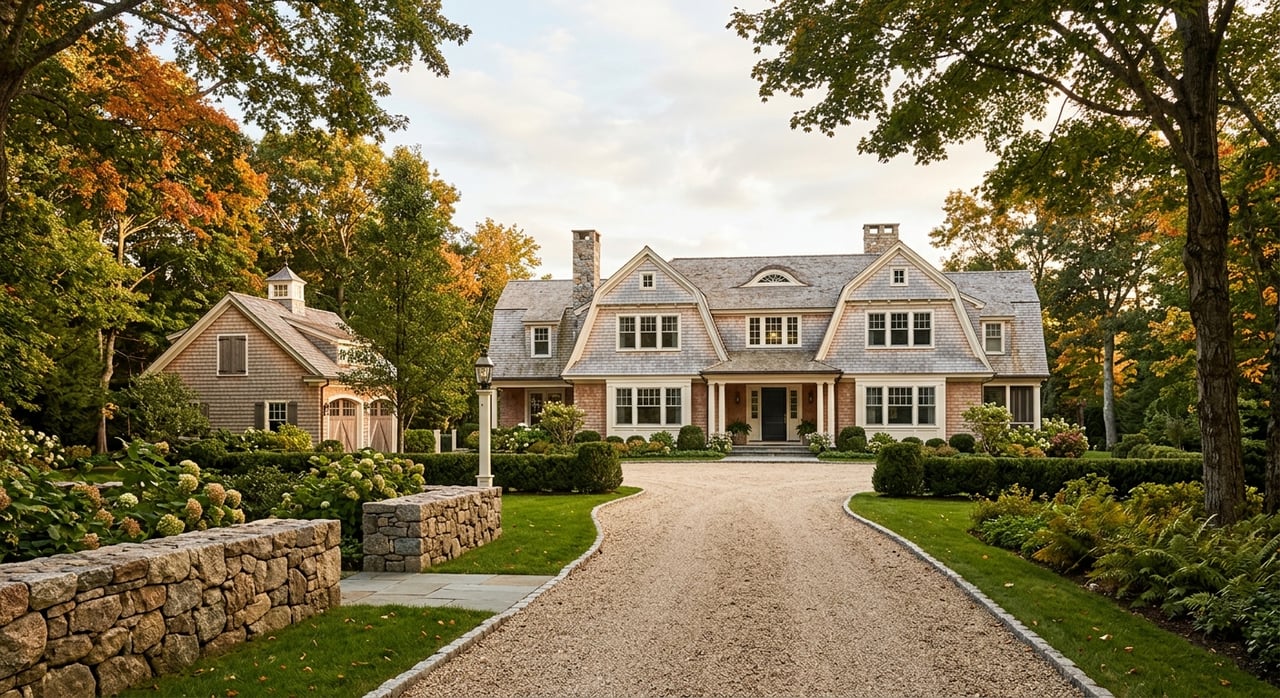
That mix is very different from a market dominated by condos, townhomes, or dense new development. If your goal is a larger house, more yard space, and a more private setting, West Newbury lines up well with that search.
You should also expect an older housing stock. More than a quarter of homes were built before 1960, and only 7% were built after 2010. In practice, that often means you may see older homes on larger lots instead of newer subdivision-style neighborhoods.
West Newbury is also known for its classic New England character. The Historical Commission identifies areas tied to early colonial settlement and later 19th-century growth, including Federal, Greek Revival, and Italianate styles on Manufacturers’ Row. For buyers, that can mean more architectural charm, but also more property-specific due diligence.
Recent value indicators place the town in a higher price tier. The median owner-occupied value is about $808,200, and the FY23 average assessed single-family value was $815,128. If you are moving up for more space, it helps to go in with a clear budget and a realistic view of what lot size, condition, and location can do to price.
How Zoning Supports Space
A big reason West Newbury retains its open feel is zoning. In Residence A, the minimum lot size is 80,000 square feet with 200 feet of frontage. In Residence B, the minimum is 40,000 square feet with 100 feet of frontage. In Residence C, the minimum is 20,000 square feet with 150 feet of frontage.
The bylaw states that Residence A and B are intended to provide low-density residential, rural, and agricultural areas, while Residence C is primarily residential. For a buyer focused on privacy, these standards are not just technical details. They directly shape how much separation you may have from nearby homes.
There are also rules for special-permit situations that matter when you are evaluating a unique property. Uses requiring a special permit in residential districts need at least 60,000 square feet of lot area and 50-foot front, side, and rear yards. Reduced-frontage lots may be allowed only by special permit.
Shared access is another issue to understand before you fall in love with a house at the end of a long drive. Common or shared driveways can serve no more than three single-family lots, cannot be used to satisfy frontage requirements, and require recorded covenants. If privacy is part of the reason you are buying, the driveway setup can be just as important as the square footage inside the home.
Why the Land Matters as Much as the House
In West Newbury, a large lot on paper does not always mean the same thing as usable private land. The zoning bylaw treats wetlands and slopes over 20% as non-buildable for lot calculations. That means acreage can look generous in a listing but function very differently once you understand the constraints.
The town’s open-space subdivision rules also require at least 60% protected open space in the tract. Those rules emphasize preserving tree cover, topography, views, and historic landscapes. From a buyer’s point of view, that can help protect the rural feel of the area, but it also means you need to evaluate exactly what you are buying and what can change later.
This is why privacy in West Newbury is often about land configuration, not just lot size. A home with the right setbacks, screening, tree cover, and driveway placement may feel more private than a property with more raw acreage but less usable space.
Everyday Life in a Rural Setting
One of the benefits of buying in West Newbury is how closely daily life connects to open space. The town’s trail guide highlights the 270-acre Mill Pond and Pipestave Hill network, the Riverbend and Page School trails along the Merrimack shoreline, the 315-acre Indian Hill Conservation Area, and the 46-acre Artichoke River Woods site.
For many buyers, these places add to the feeling of room and calm. They support the lifestyle side of the move, not just the real estate side. You are not only buying a house lot. You are buying into a landscape shaped by conservation land, trails, and lower-density development.
That said, rural living comes with tradeoffs. Transportation is car-oriented, and while residents have access to I-95 and I-495, the town does not have a robust fixed-route transit network. If you commute regularly, it is worth testing your likely drive times and daily routes before you buy.
Water, Septic, and Infrastructure
Privacy often comes with more independent property systems, and West Newbury is a good example. The town provides public drinking water to about 63% of the community, or roughly 1,000 homes, but it does not have a centralized municipal sewer system. Many homes rely on septic.
That does not make a property less desirable, but it does make diligence more important. You will want to know whether a home is on public water, a private well, septic, or some combination of systems. Those details affect maintenance, future improvements, and day-to-day ownership.
The Newburyport Water Division states that Newburyport Water Works serves homes and businesses in Newburyport, the Old Town portion of Newbury, Plum Island, and West Newbury. Even so, utility access can vary by property, so it is best to confirm the exact setup early in your search.
Check Flood Risk and Site Limits
If you are shopping for acreage, barns, or other outdoor features, flood and water constraints should be high on your checklist. West Newbury has significant flood exposure, with 1,157 acres in the 100-year floodplain and another 603 acres in the 500-year floodplain.
The town also has a Groundwater Protection Overlay District that can require a special permit if a use would make more than 15% or 2,500 square feet of a lot impervious. That may not matter for every buyer, but it can matter if you are thinking about expansions, additional structures, or other site changes.
This is one reason buyers should avoid assuming that a big lot automatically gives you complete flexibility. In West Newbury, land-use limits can shape what you can build, where you can build it, and how the property will function over time.
Buying Barns, Sheds, or Hobby Property
West Newbury’s zoning reflects its rural character, and that can be appealing if you want a property with accessory structures or agricultural elements. The bylaw allows farm-produce sales from the property under certain conditions. It also sets a minimum of one acre for the first horse or cow kept on a lot.
At the same time, the code requires screening or other protections for uses such as greenhouses, sawmills, kennels, and riding stables. If you are considering a property with barns, paddocks, sheds, or similar features, you should verify that the structures and uses are legally permitted.
This is especially important with older homes and legacy properties. Some features may be grandfathered, while others may not align with current rules. A careful review upfront can help you avoid surprises after closing.
Questions Smart Buyers Ask
When you are buying for privacy, your best questions often go beyond the house itself. In West Newbury, the details of the lot can have a major impact on how private, functional, and flexible the property will feel.
Here are a few smart questions to ask during your search:
- Is the lot buildable as shown?
- Are there wetlands or steep slopes that reduce usable acreage?
- Does the driveway qualify as a common driveway or a private way?
- Is the property on public water, private well, septic, or a mix?
- Are outbuildings legally permitted?
- Are there floodplain or groundwater overlay issues that affect future plans?
These are the kinds of details that shape real privacy in West Newbury. They can also affect value, future resale, and how confidently you can move forward.
Why West Newbury Appeals to Move-Up Buyers
For many move-up and relocation buyers, West Newbury offers a specific kind of value. The appeal is not just a bigger house. It is the combination of detached homes, low-density zoning, preserved open space, and access to Newburyport and major routes.
In other words, privacy here is often created by the land, the setbacks, the roads, and the rules. That makes West Newbury a strong fit if you want room to breathe and are willing to evaluate properties carefully.
The right home here can deliver a lot: more space inside, more breathing room outside, and a setting that feels distinct from denser nearby markets. The key is understanding that in West Newbury, space and privacy are local, property-specific features that deserve a closer look.
If you are considering a move to West Newbury and want clear guidance on how to evaluate land, privacy, and property details, Alissa Christie can help you navigate the market with local insight, strong negotiation, and careful attention to the details that matter.
FAQs
What makes West Newbury attractive for buyers seeking privacy?
- West Newbury has low-density zoning, mostly detached single-family homes, large minimum lot sizes in many districts, and a rural planning approach focused on preserving open space and limiting sprawl.
What type of housing stock should you expect in West Newbury?
- Most homes are owner-occupied detached single-family properties, many with three or more bedrooms, and the housing stock is generally older, with more than a quarter of homes built before 1960.
Why does zoning matter when buying a home in West Newbury?
- Zoning affects minimum lot size, frontage, setbacks, driveway rules, and how much of the land may actually count as buildable or usable for privacy and future plans.
What infrastructure should buyers check in West Newbury?
- You should confirm whether the property has public water, private well service, septic, or a mix of systems, since the town does not have a centralized municipal sewer system and utility setups can vary by home.
What land issues should acreage buyers review in West Newbury?
- Buyers should review wetlands, slopes over 20%, floodplain exposure, driveway type, groundwater overlay restrictions, and whether any barns or outbuildings are legally permitted.