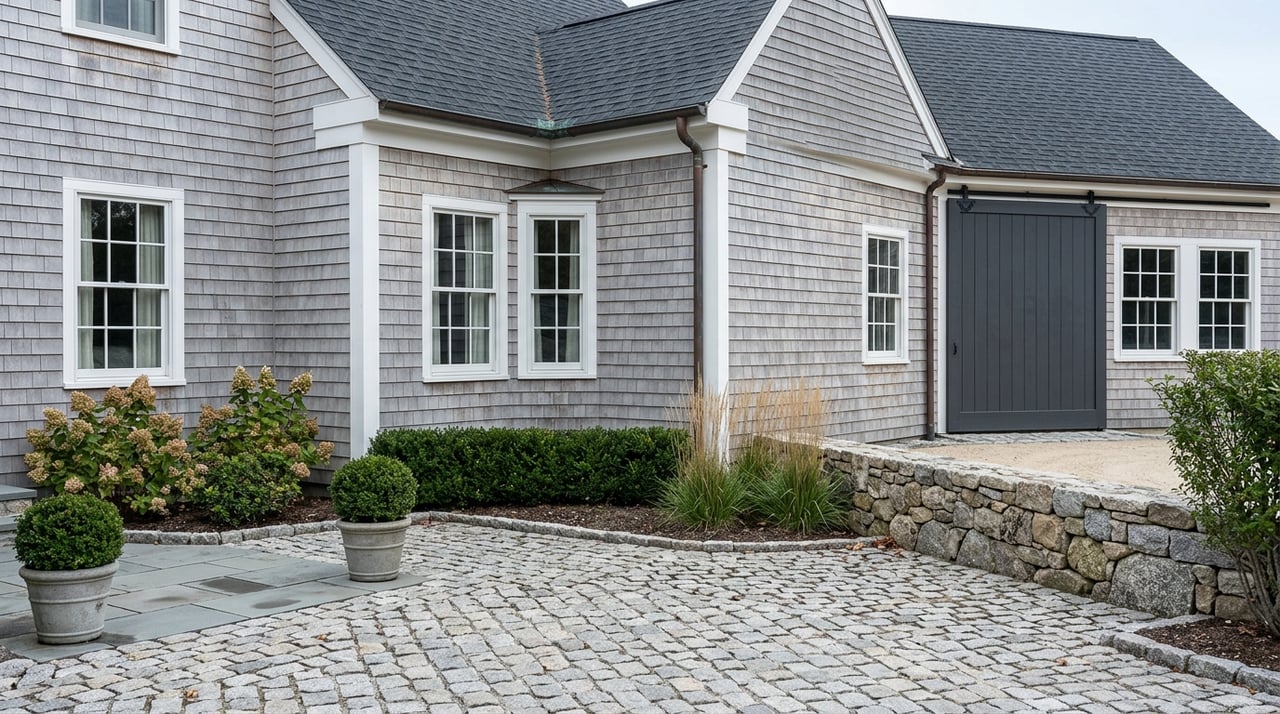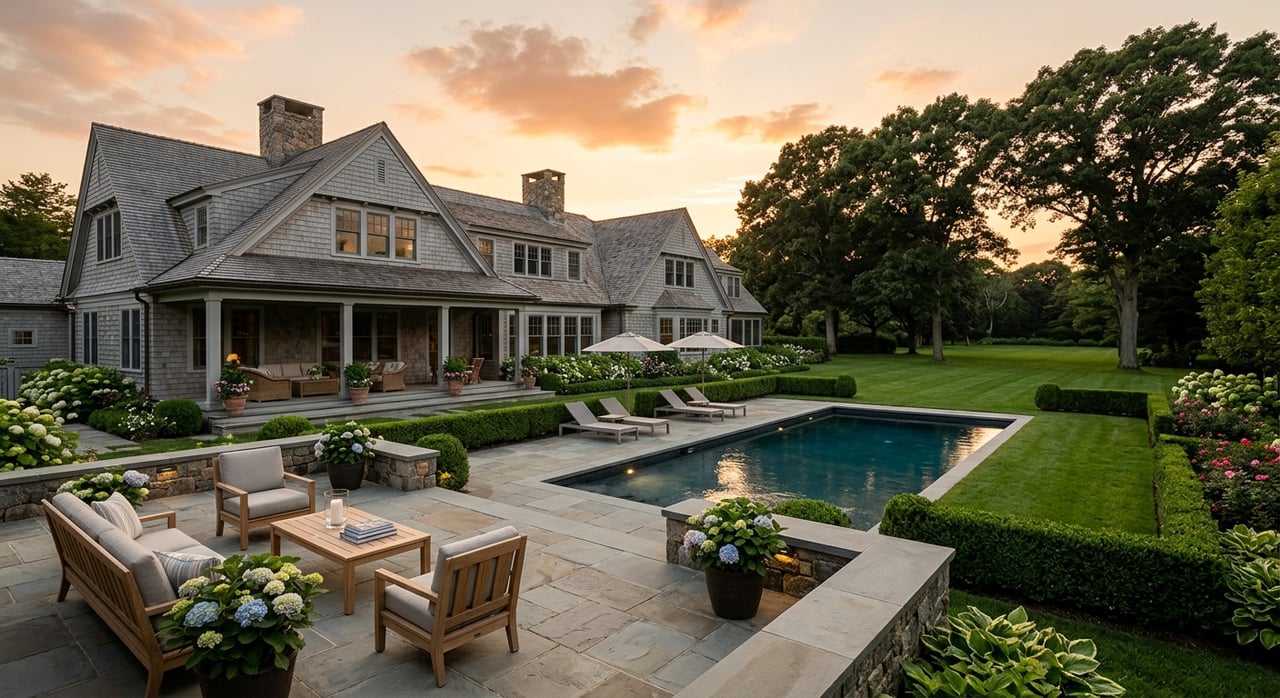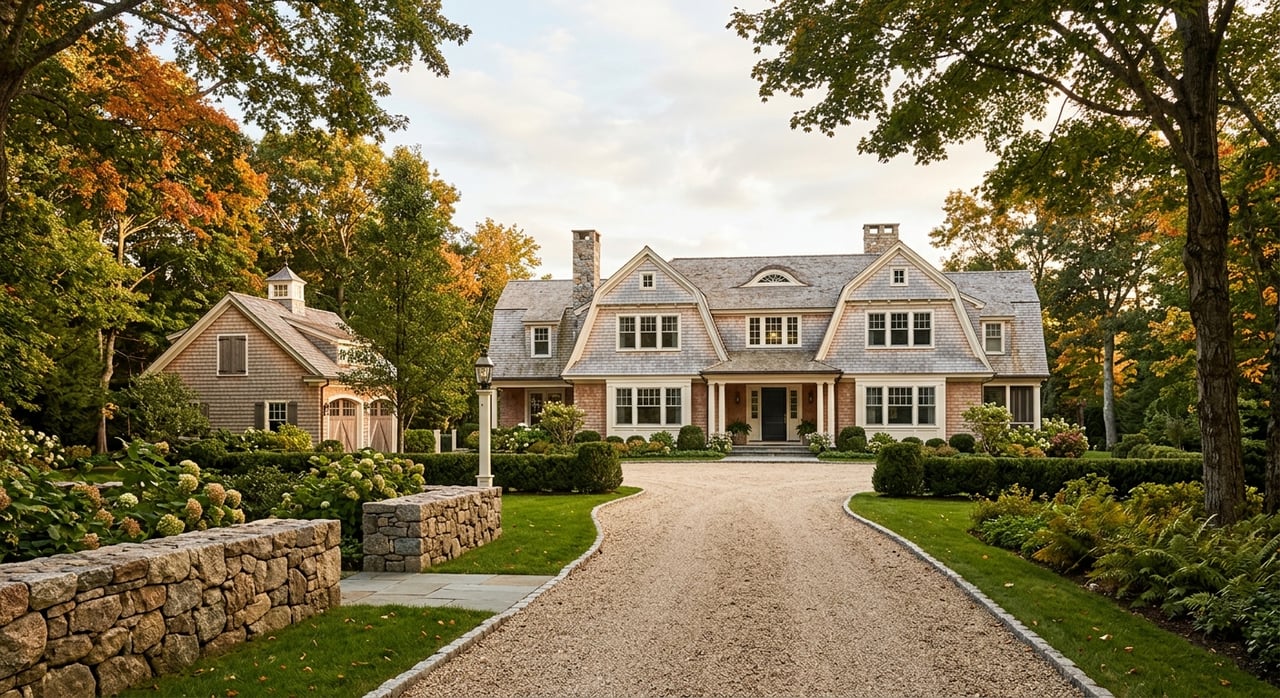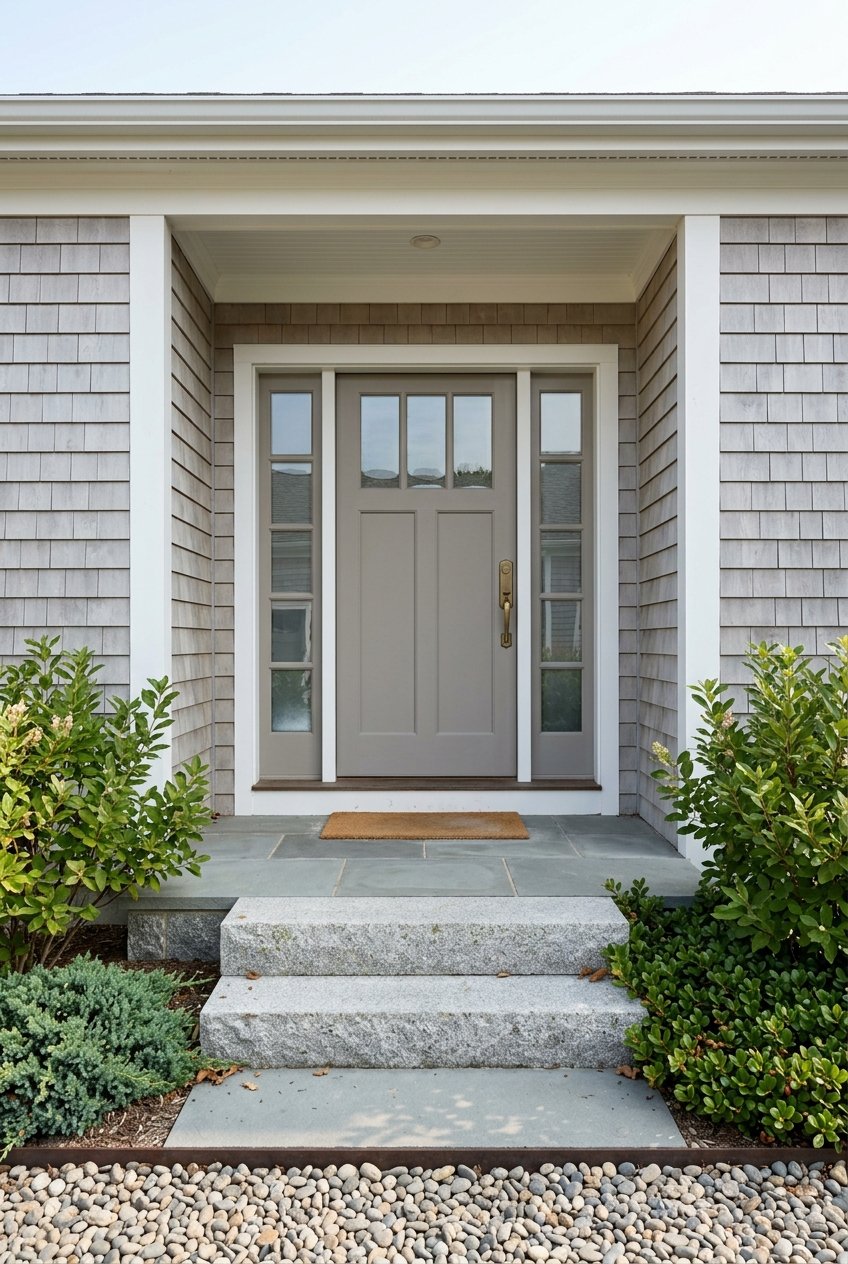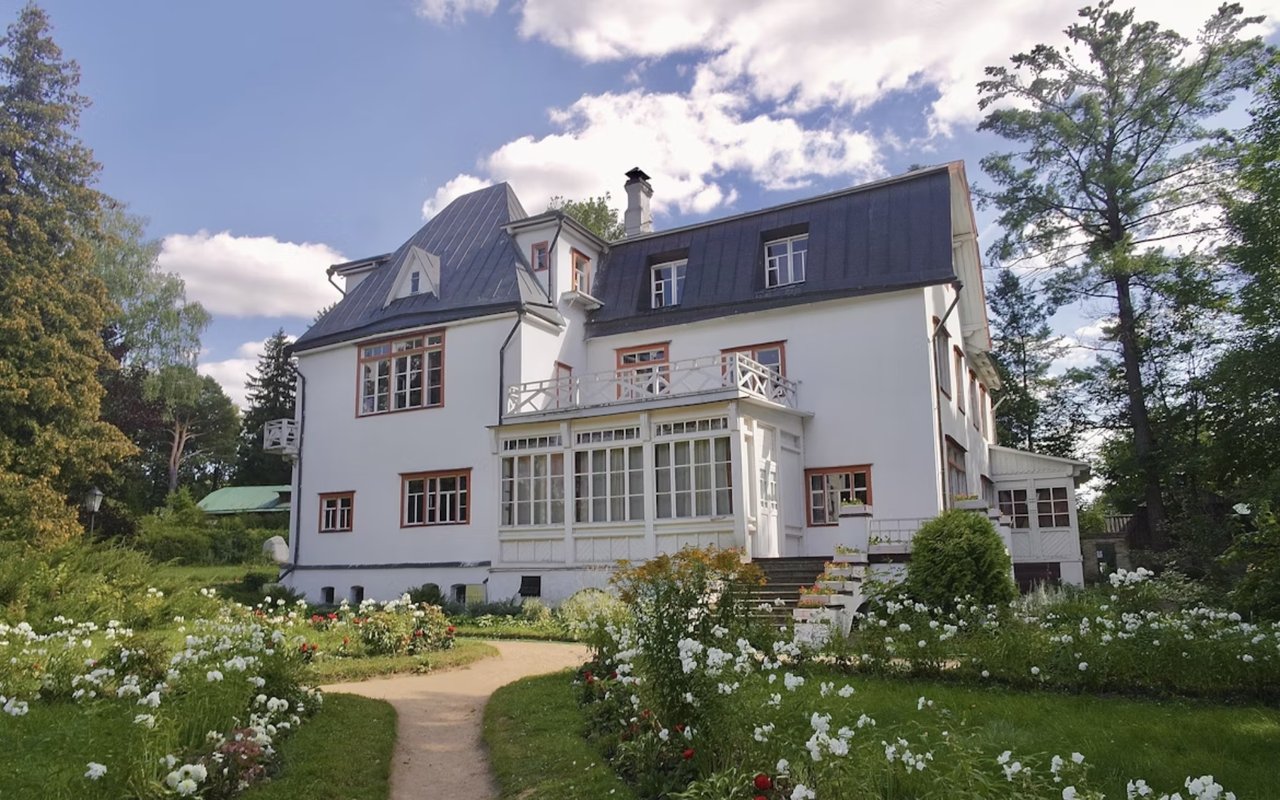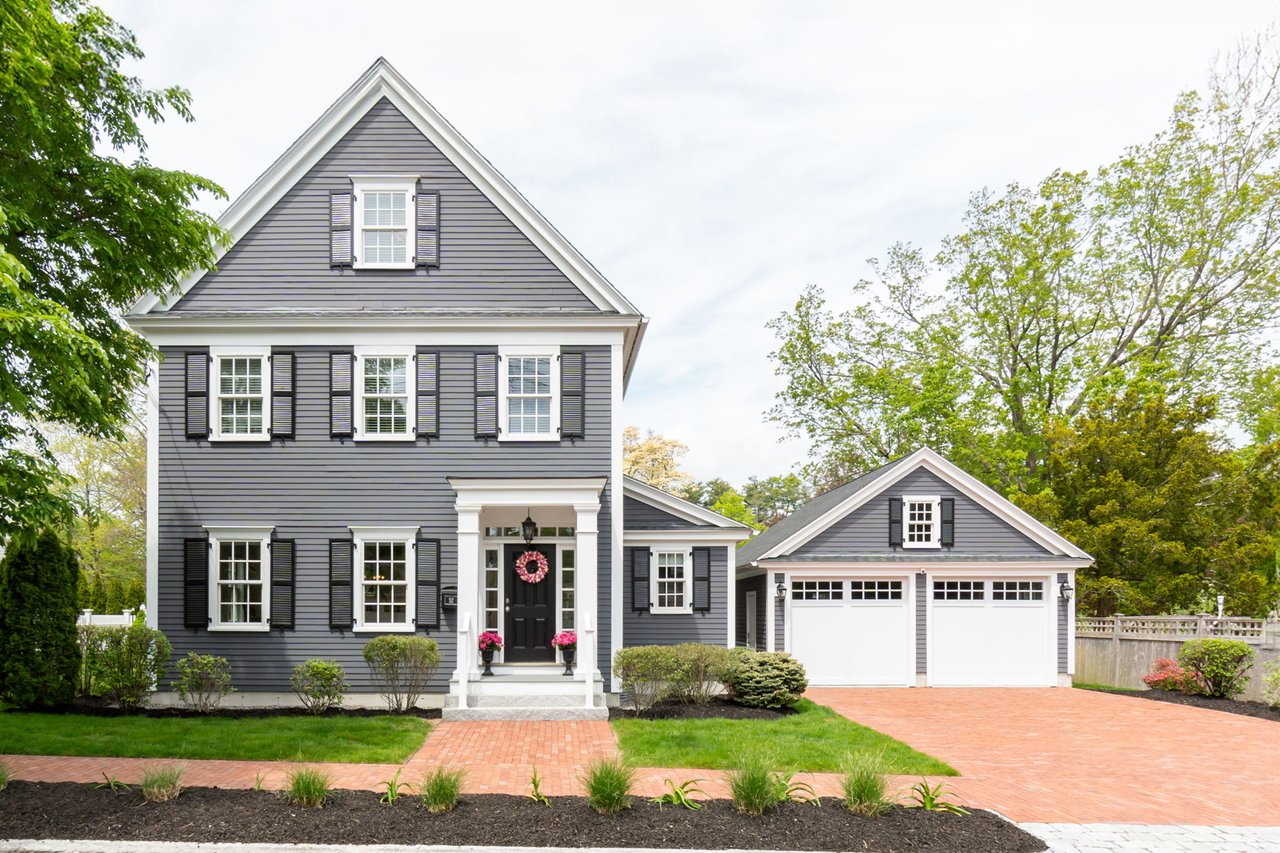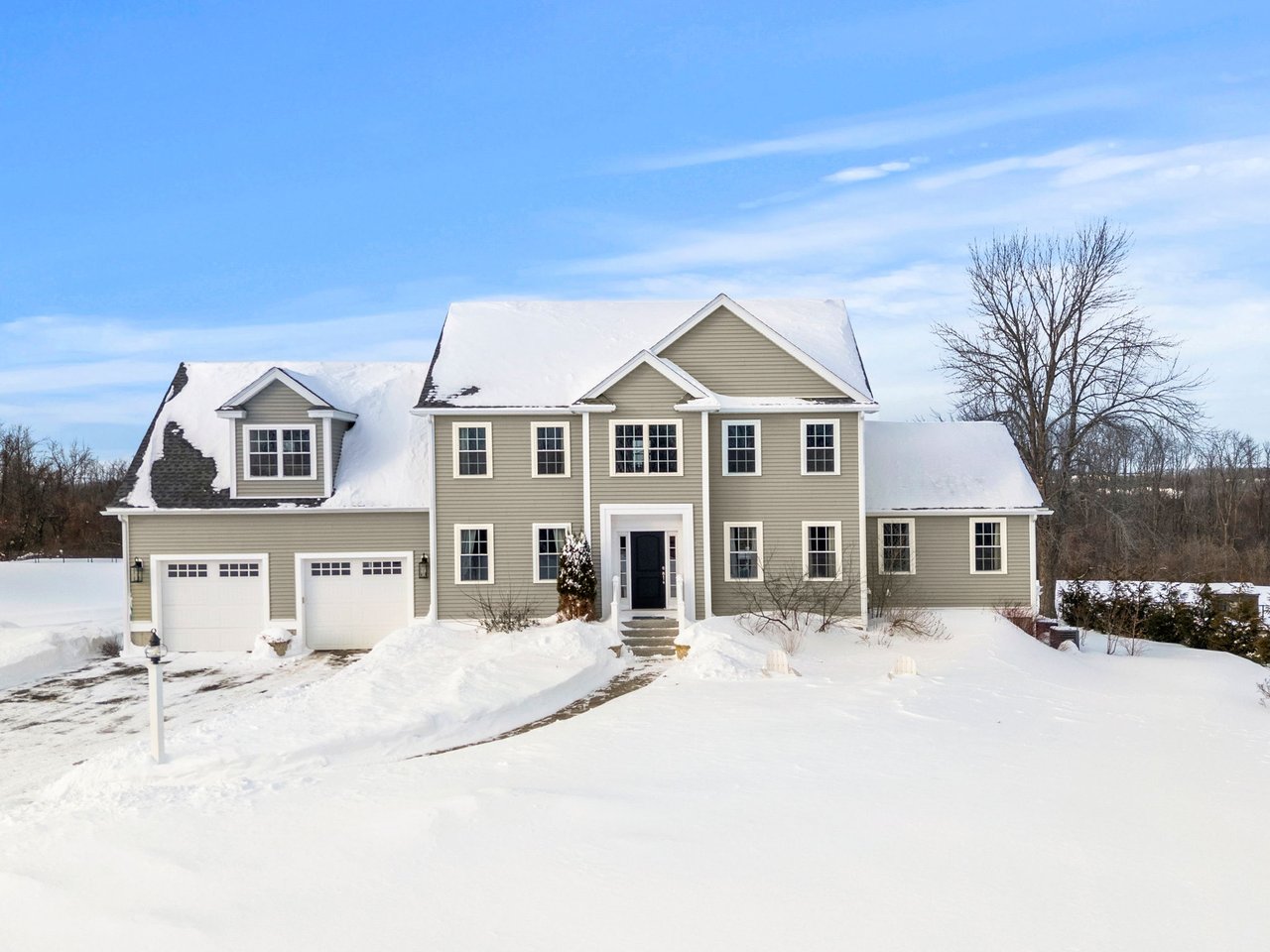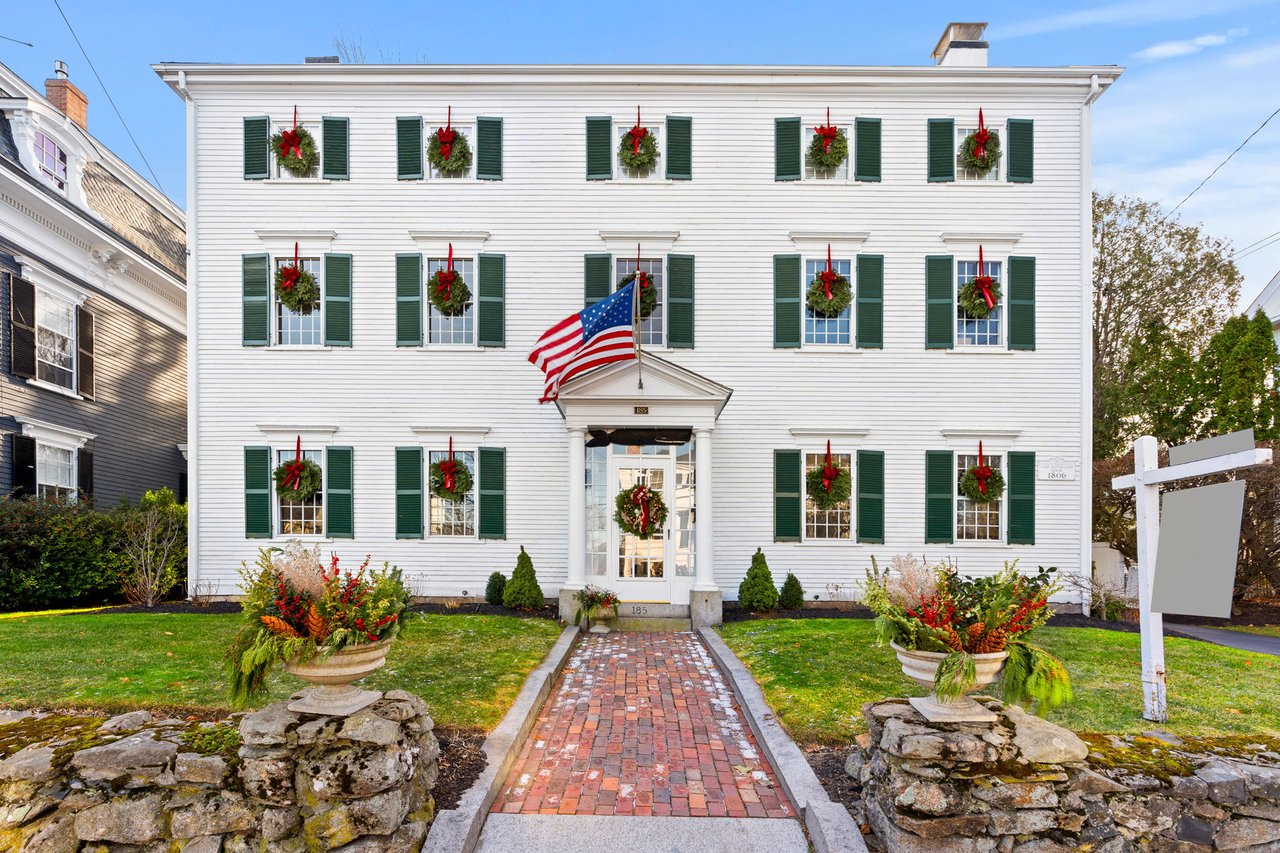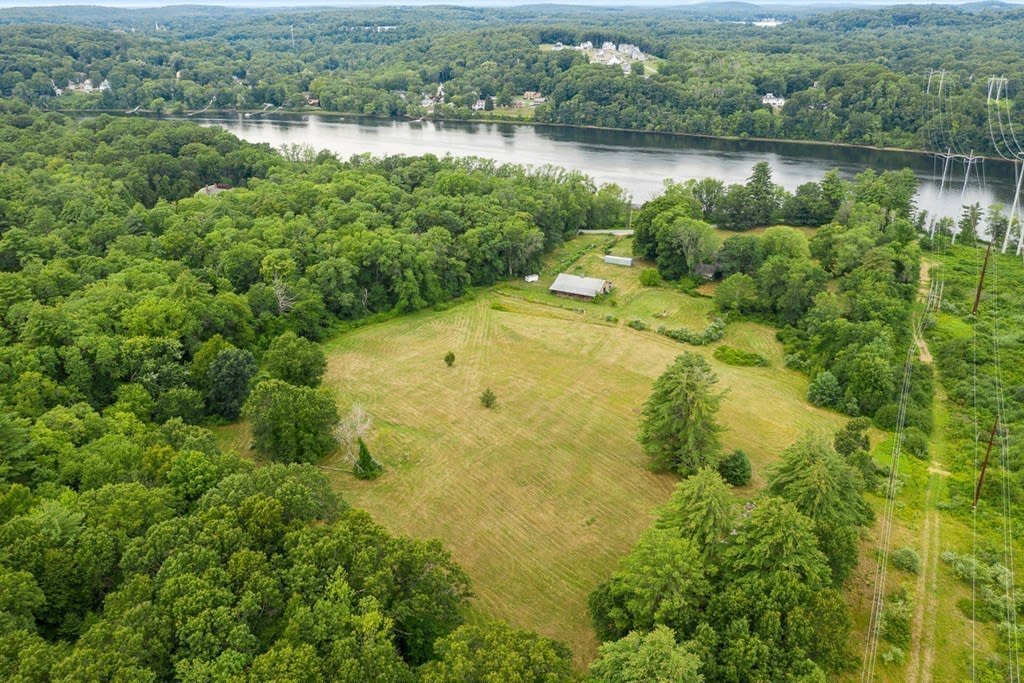
6,729 people live in Newbury, where the median age is 52 and the average individual income is $81,684. Data provided by the U.S. Census Bureau.
Total Population
Median Age
Population Density
Average individual Income
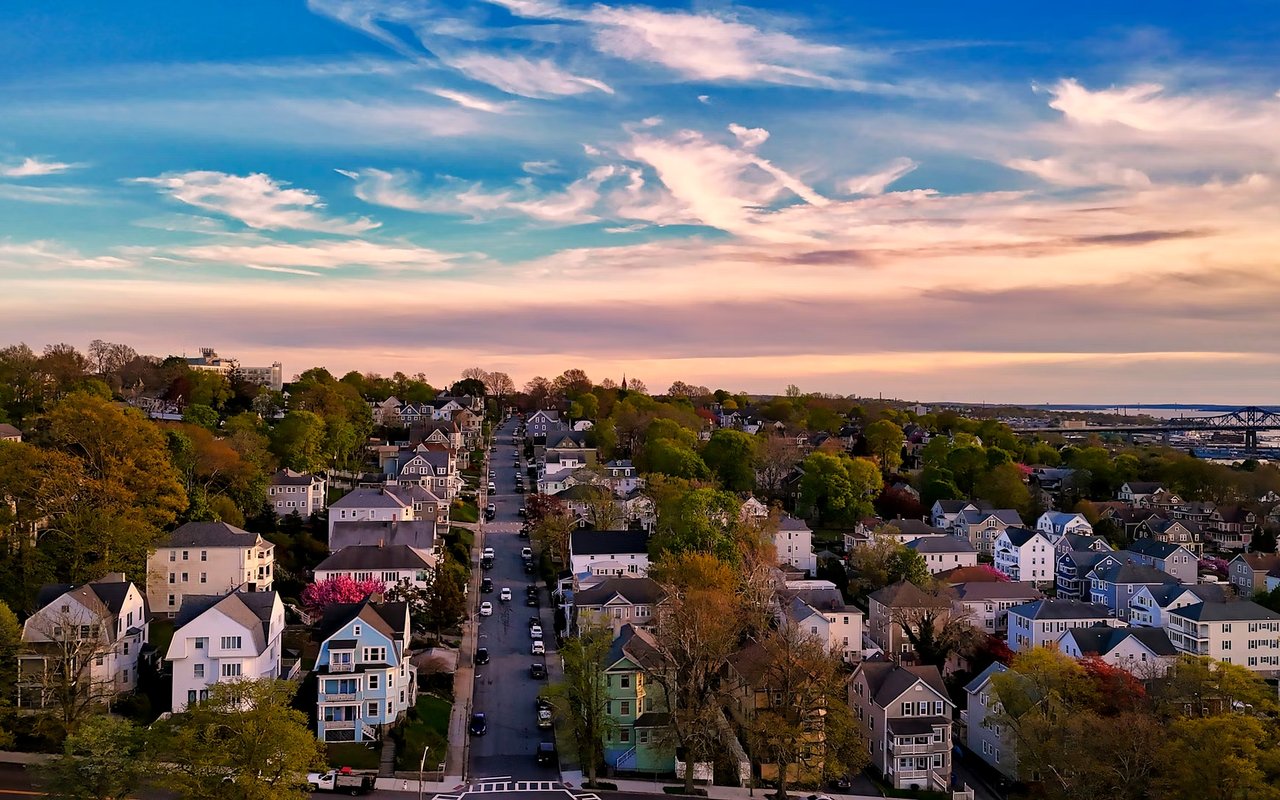
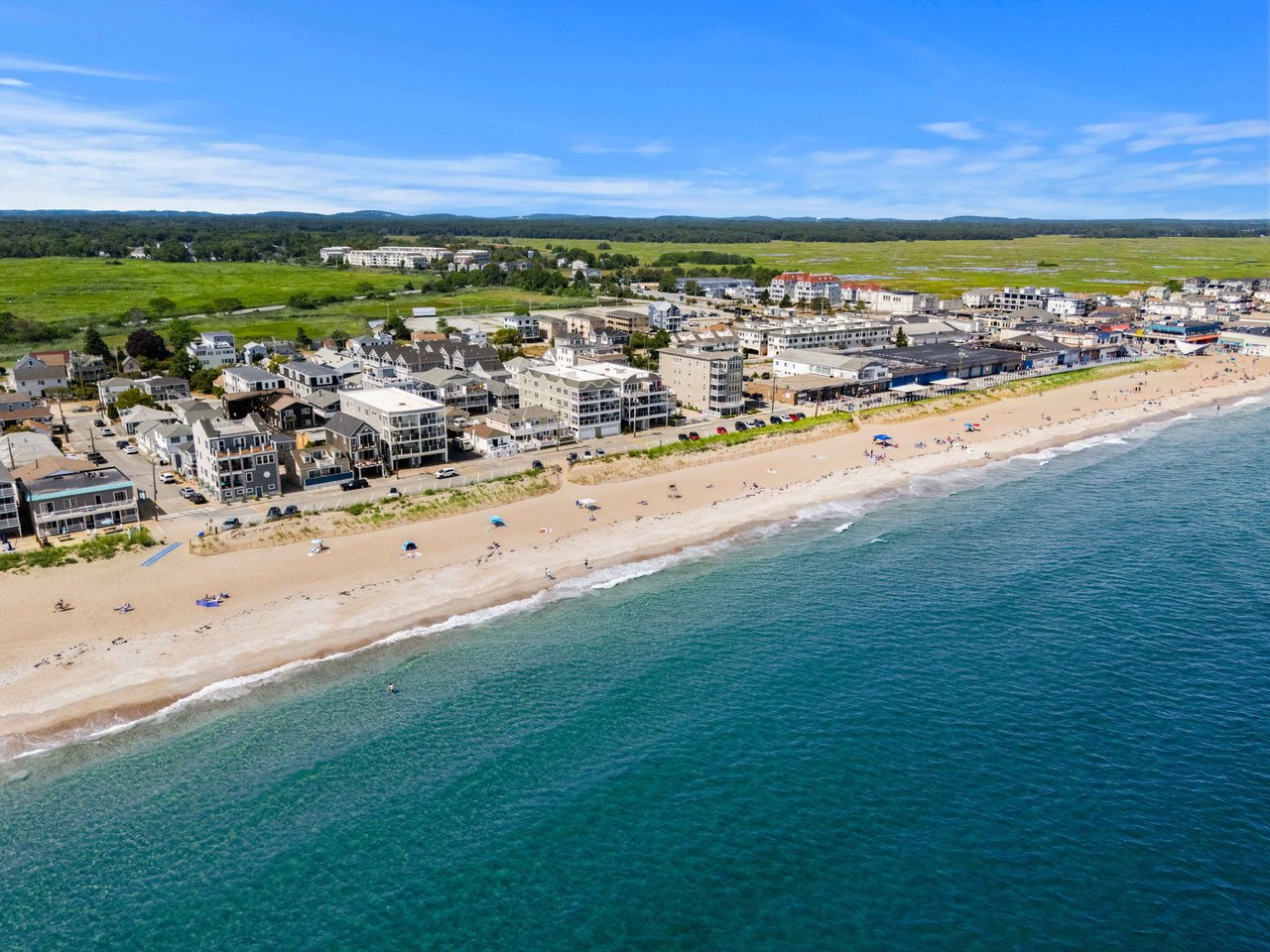
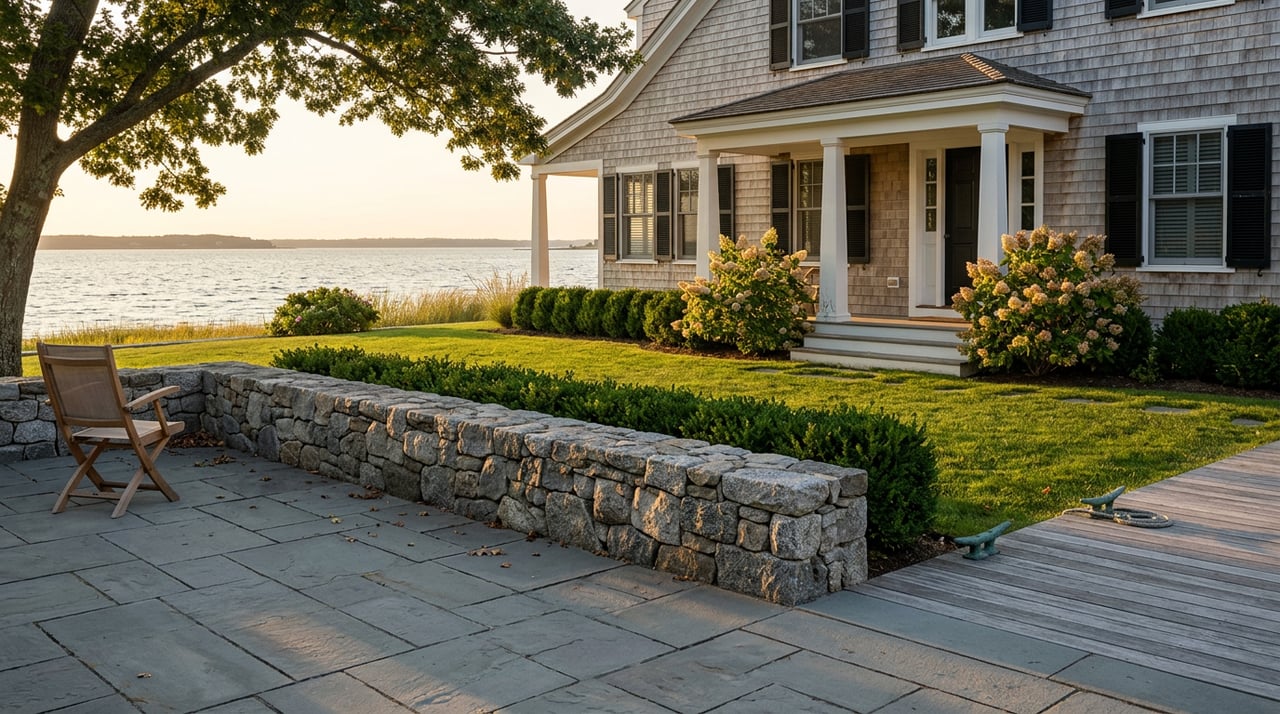
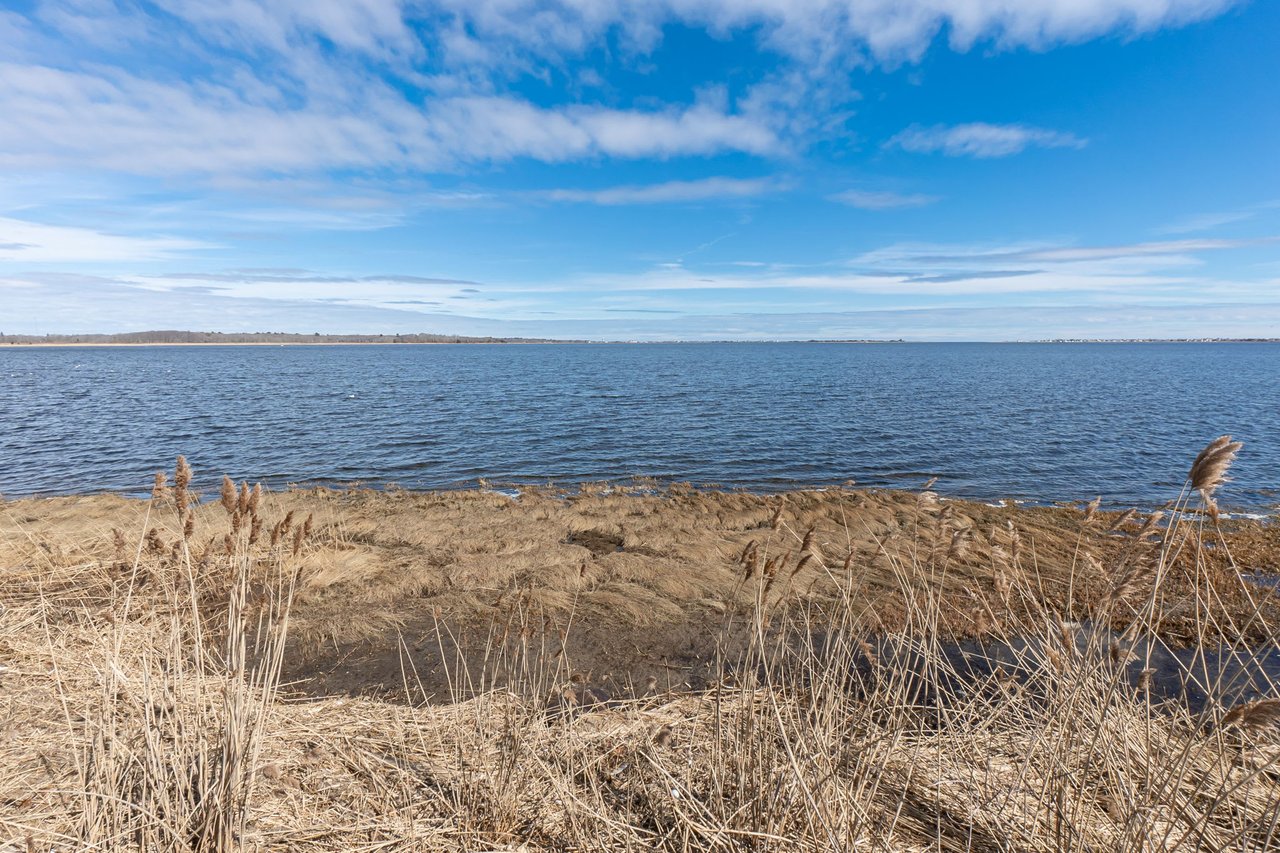
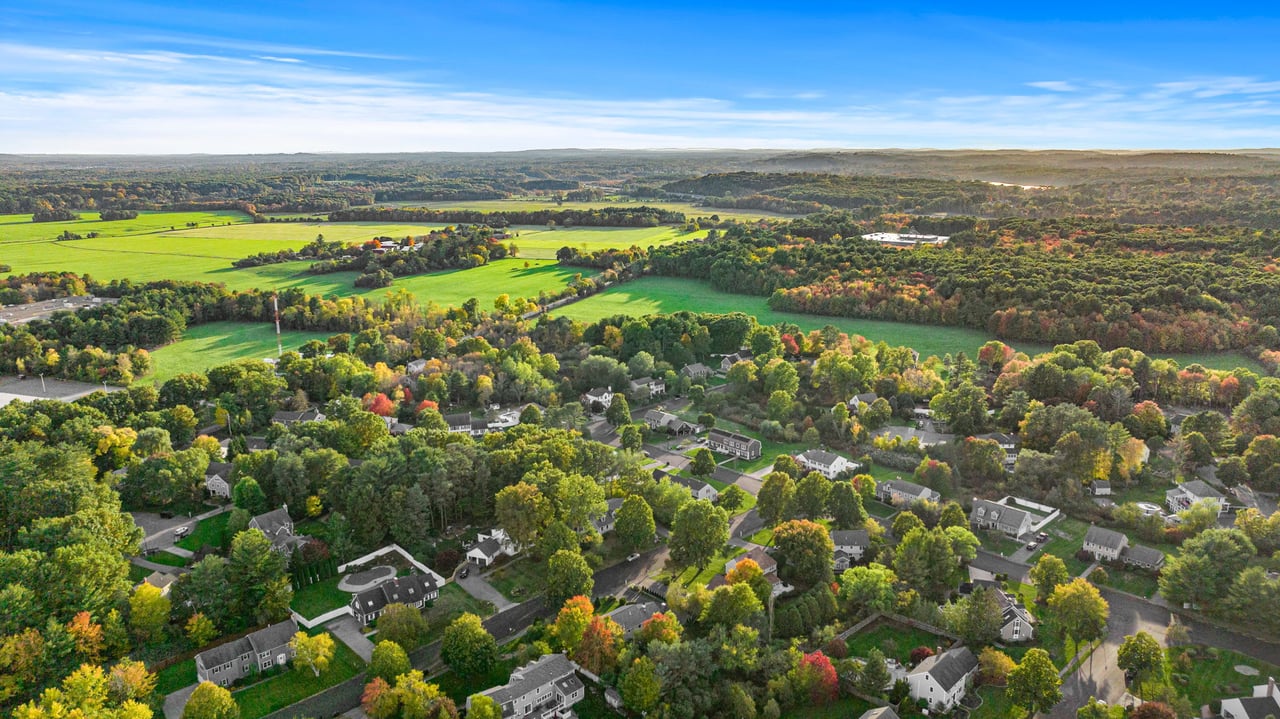
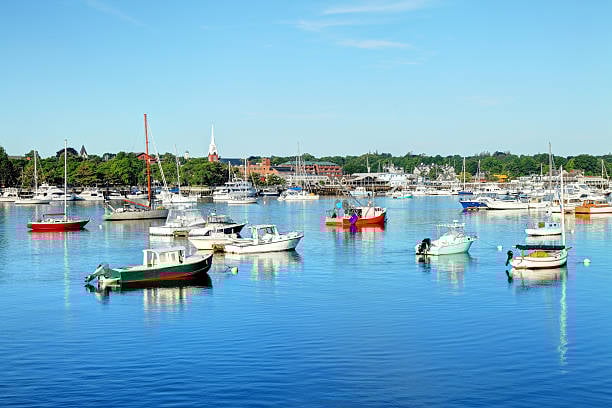
Newbury is a coastal town on Massachusetts' North Shore where rural charm meets refined coastal living. Located just south of Newburyport and 35 miles north of Boston, this 6,700-person community spans pristine salt marshes, rolling farmland, and the celebrated barrier island of Plum Island.
The town's character is defined by three distinct villages—Old Town (Newbury Center), Byfield, and Plum Island—each maintaining its own identity while contributing to the town's cohesive appeal. Residents are drawn to the area's exceptional natural beauty, including protected lands comprising nearly half the town's 26.3 square miles.
Newbury attracts affluent professionals, retirees, and families seeking space, privacy, and quality of life. The median age of 52 and median household income exceeding $80,000 reflect a mature, financially stable community. With most residents owning their homes, the town offers a settled, peaceful atmosphere while remaining accessible to urban amenities.
The lifestyle is decidedly outdoors-focused, with residents enjoying kayaking, horseback riding, beach walks, and wildlife observation. Proximity to Newburyport's vibrant downtown provides exceptional dining and cultural venues without sacrificing the rural tranquility that defines Newbury.
Newbury was incorporated on May 6, 1635, making it one of Massachusetts' earliest settlements. Led by Reverend Thomas Parker and Reverend James Noyes, approximately 100 pioneers from Wiltshire, England sailed aboard the Mary and John, first landing in Ipswich before rowing to the Parker River's mouth in spring 1635.
The settlement was strategically established to extend the Massachusetts Bay Colony's northern frontier. Indigenous peoples, including the Agawam under sachem Masconomet, had inhabited the area for thousands of years. The original indigenous name, Quascacunquen meaning "waterfall," referred to the falls on the Parker River where early industry would later develop.
Early Newbury thrived on agriculture and livestock, with colonists granted land proportional to their investment in the venture. By 1791, some 3,000 head of cattle grazed town lands. The first water-powered mill was established at the falls in 1636, leading to gristmills, sawmills, and in 1794, Massachusetts' first textile mill.
As the town expanded along the Merrimack River, maritime trade flourished. The "waterside" merchants and shipbuilders felt increasingly distinct from inland farmers, leading to Newburyport's incorporation as a separate town in 1764. West Newbury followed suit in 1819.
Notable historical milestones include the 1763 founding of Governor Dummer Academy (now The Governor's Academy), America's oldest boarding school. In 1878, silver was discovered off Scotland Road, operating as the Chipman Silver Mine until 1925 and producing $500,000 in silver and $100,000 in dividends.
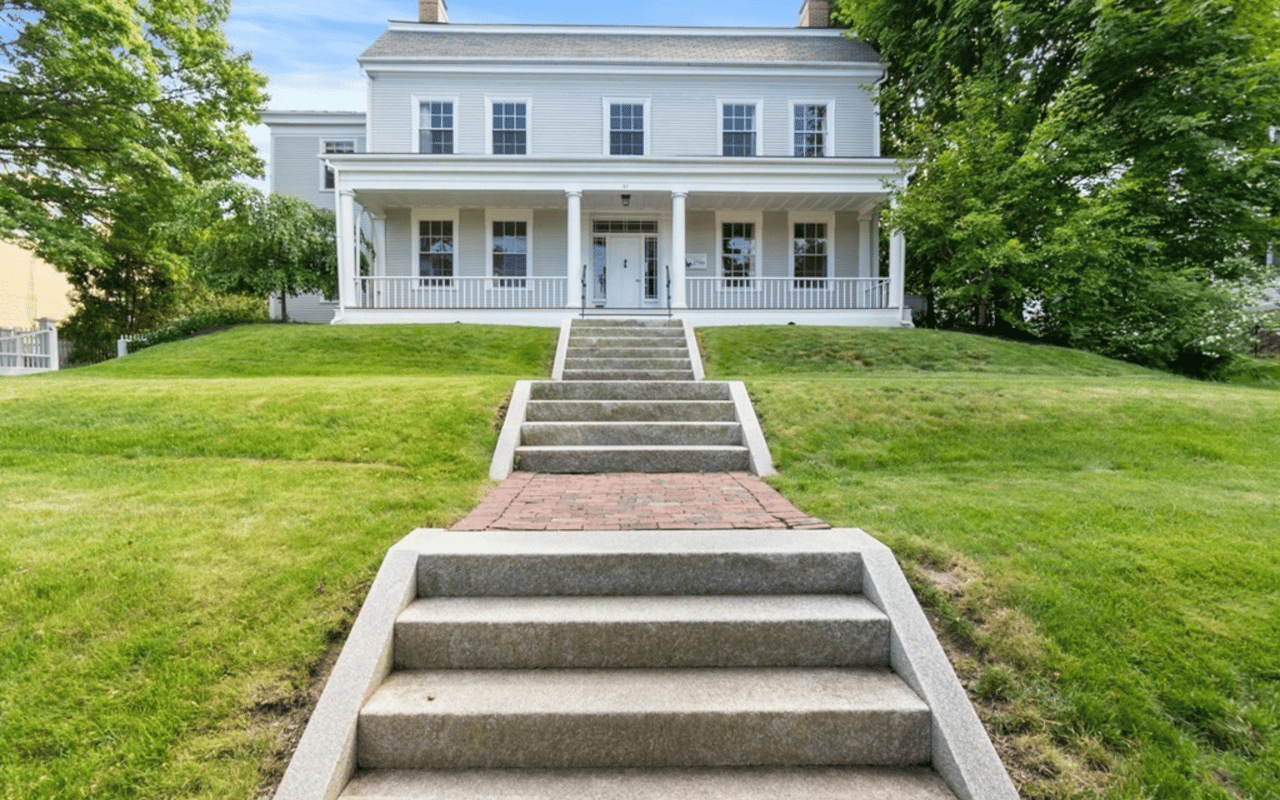
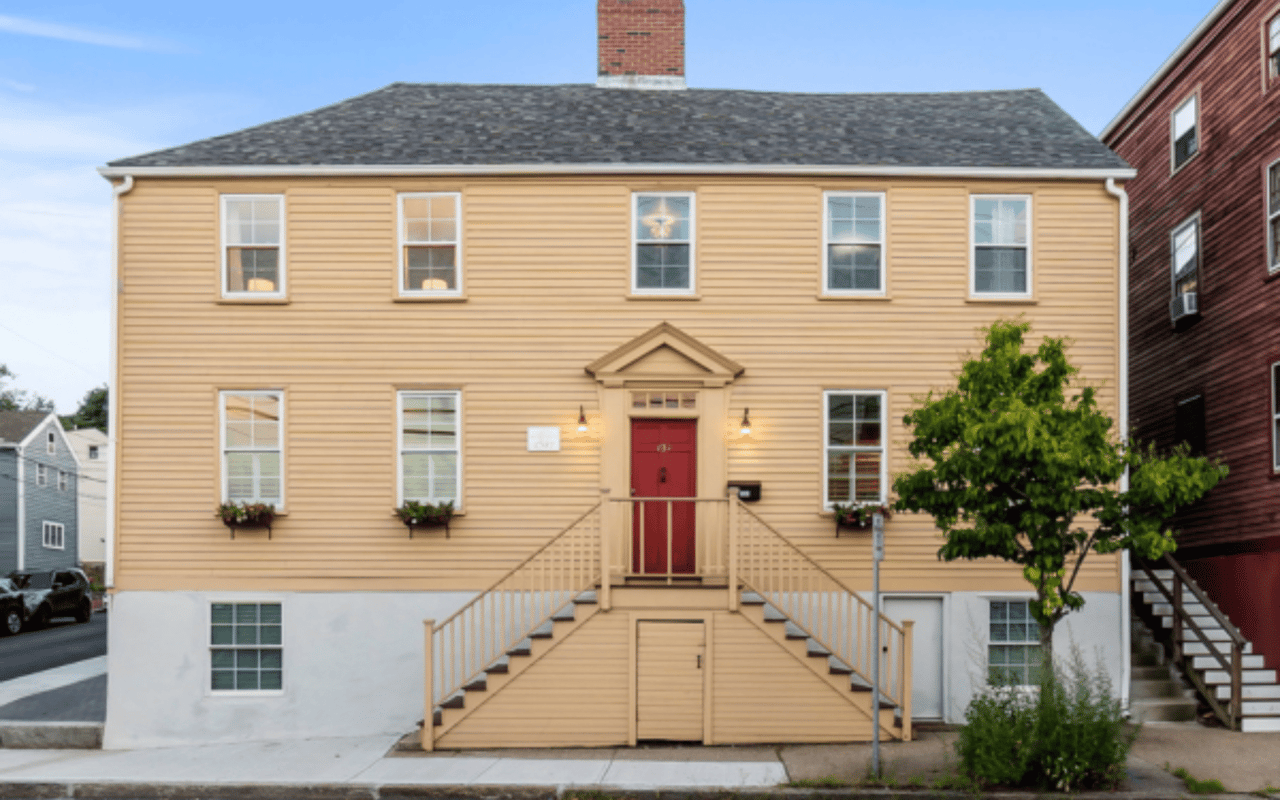
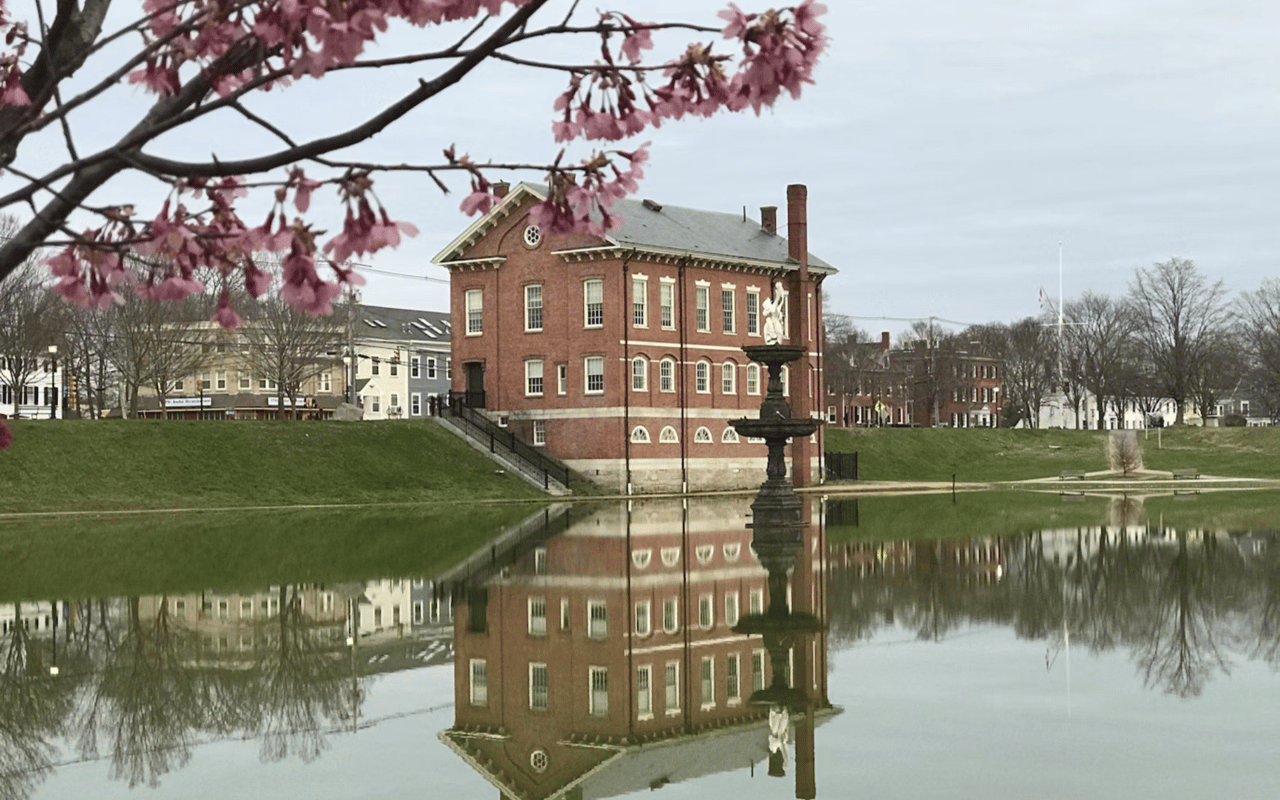
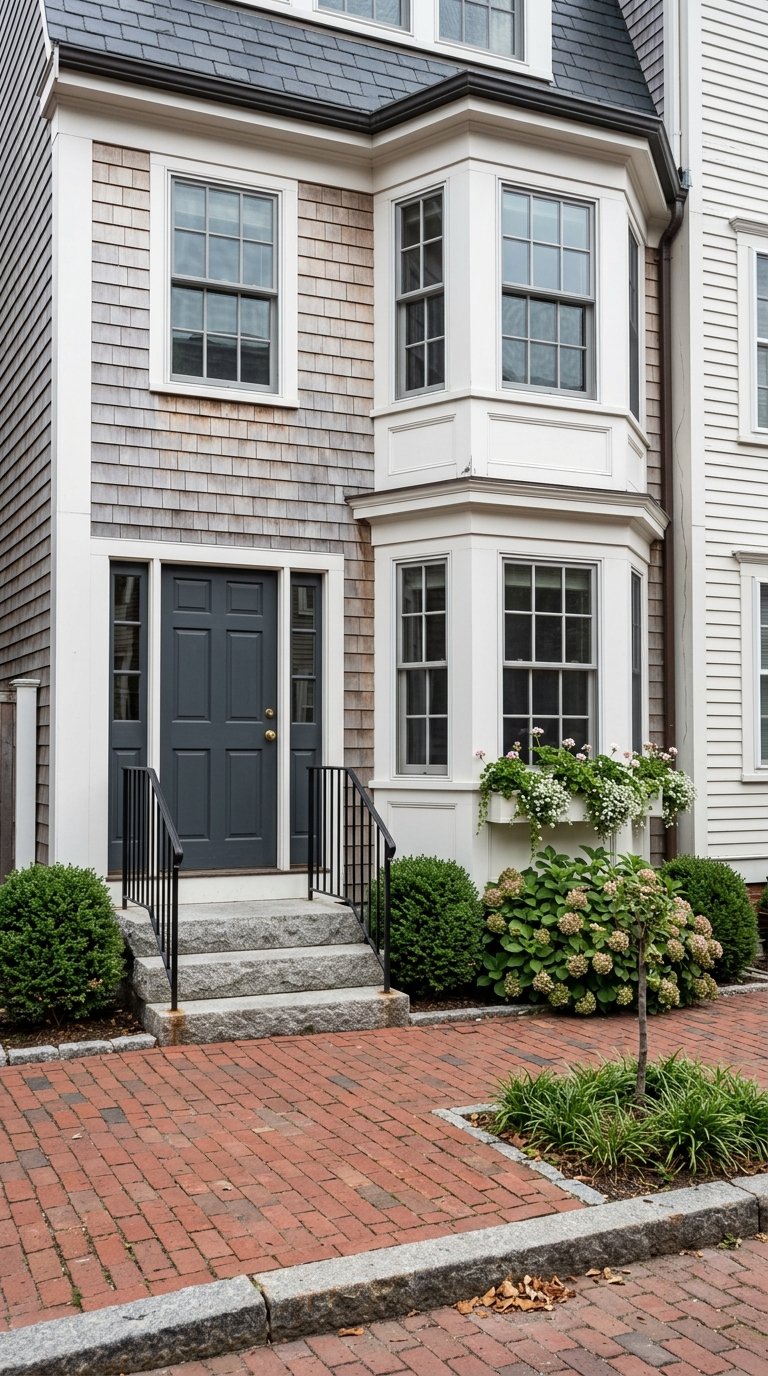
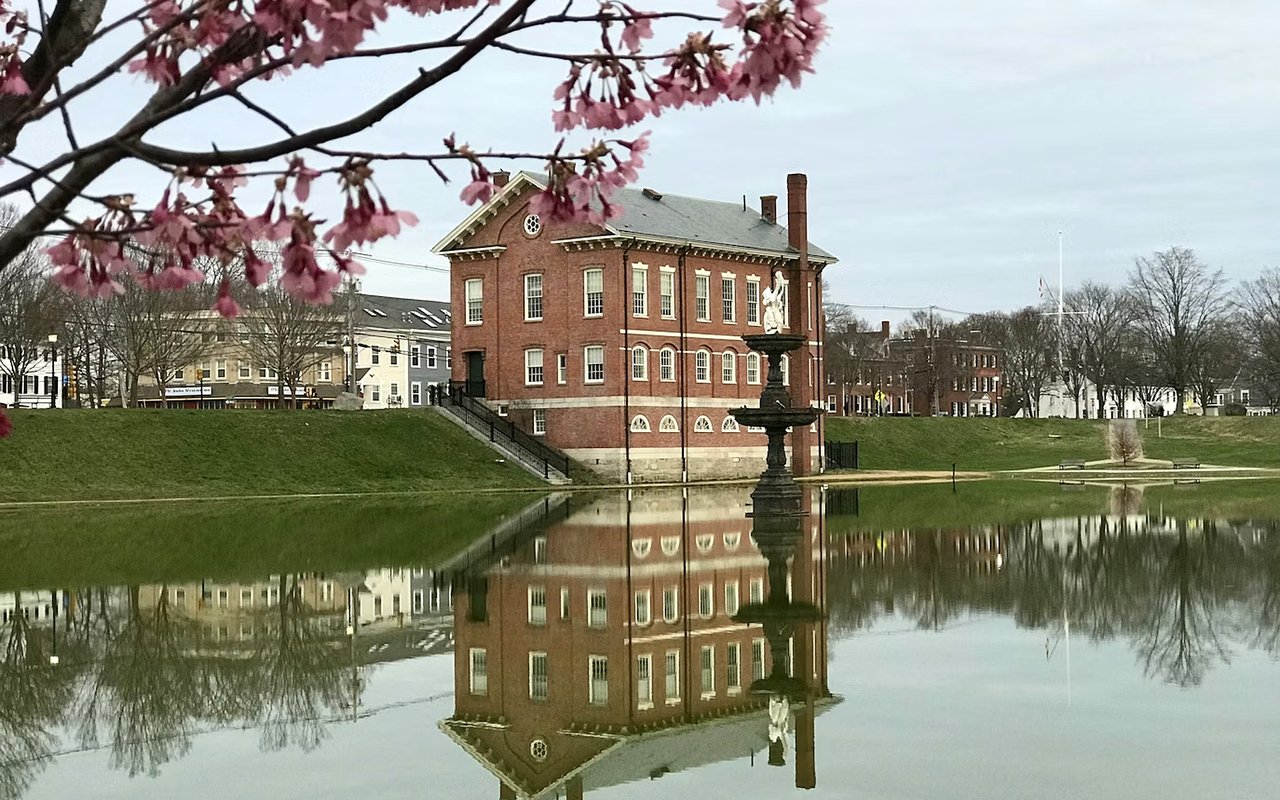
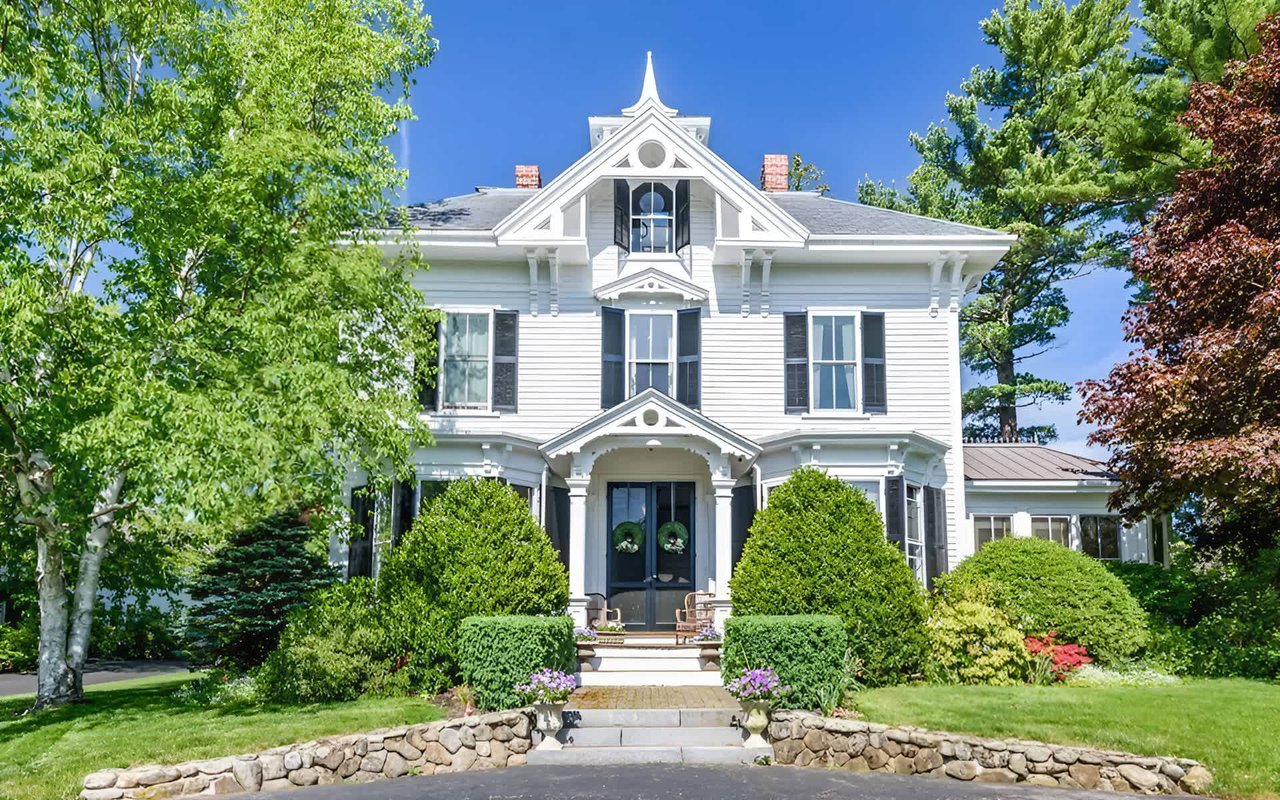
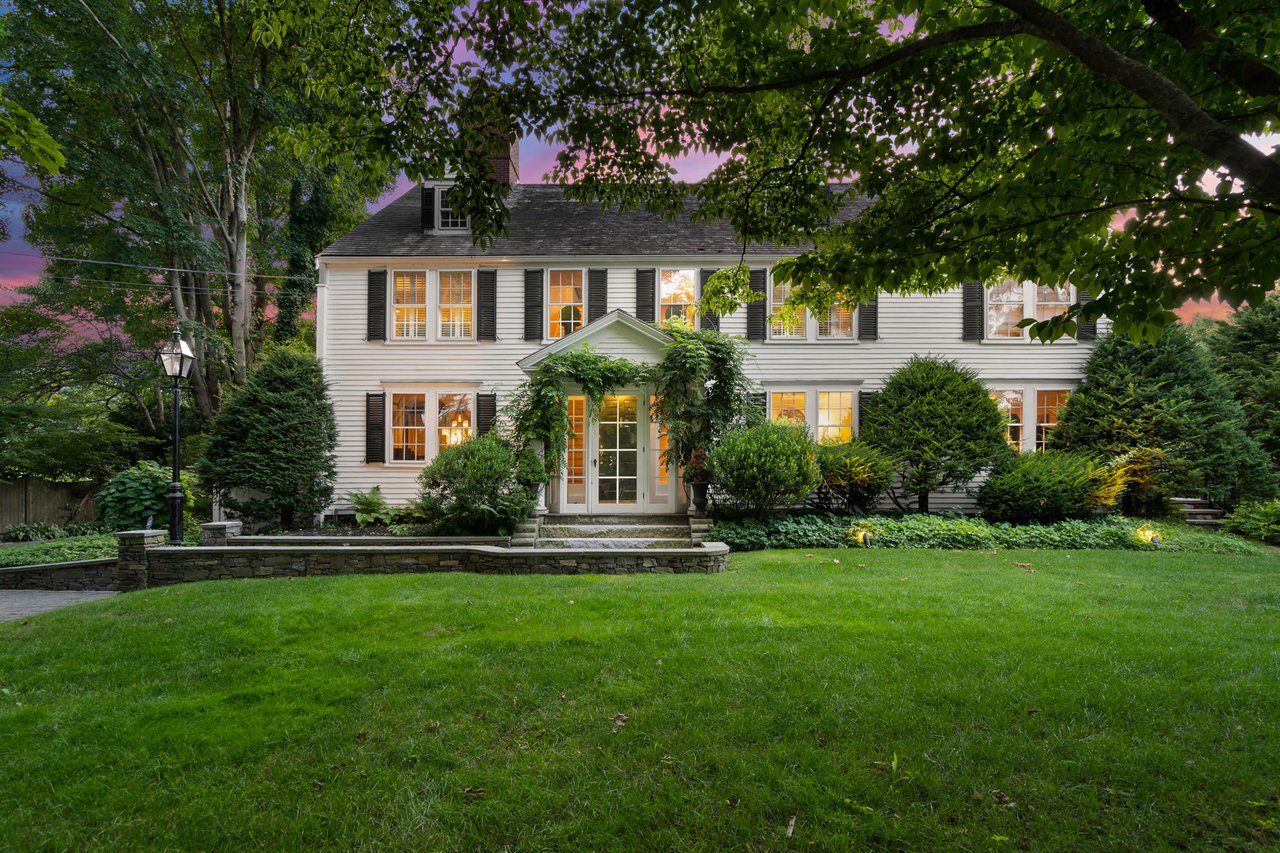
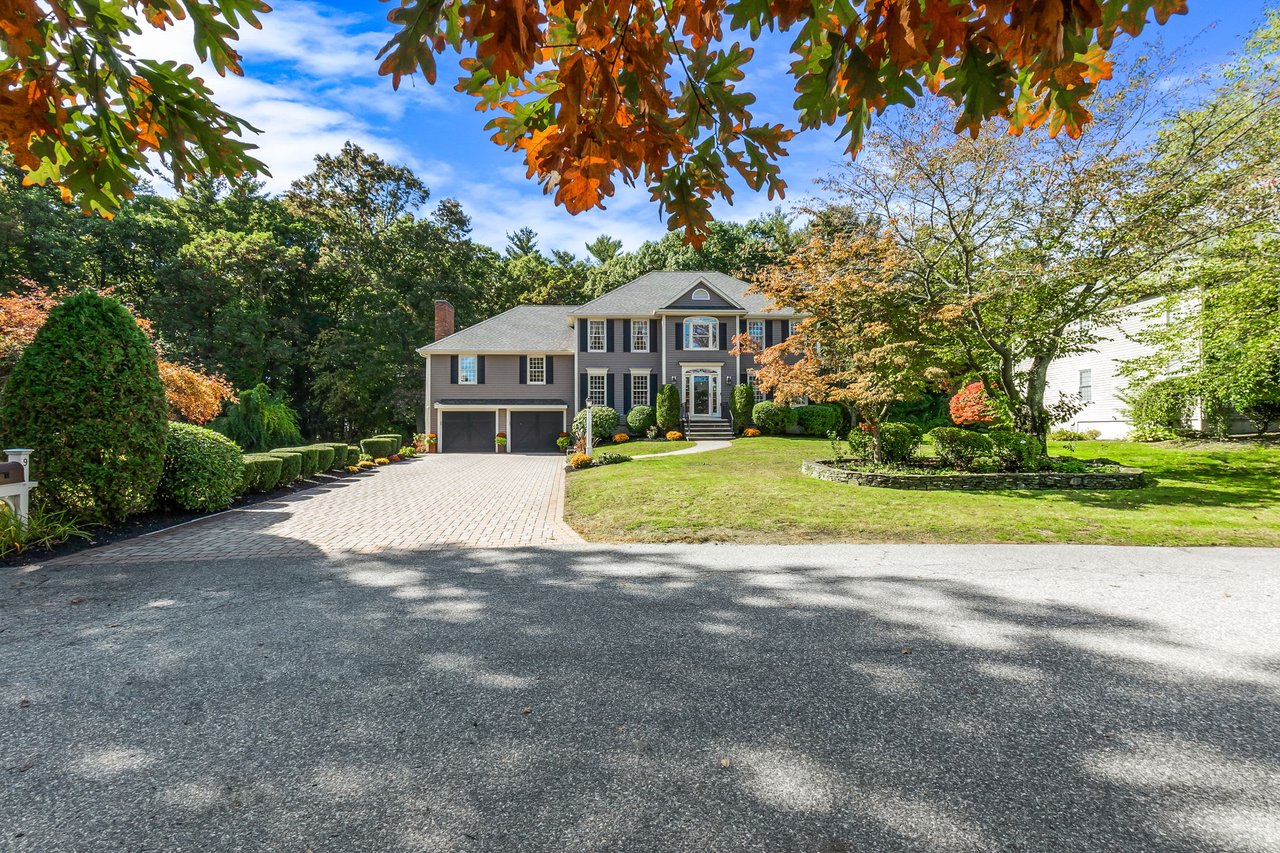
Today, Newbury preserves extensive historic architecture while maintaining its agricultural character. Many 17th and 18th-century homes dot the landscape, testament to the town's commitment to preserving its colonial heritage.
Newbury occupies 26.3 square miles in Essex County, with 23.4 square miles of land and 2.9 square miles of water. The town lies along the Atlantic Ocean, bordered by Newburyport to the north, West Newbury to the northwest, Georgetown to the southwest, and Rowley to the south.
Geographically, Newbury sits at the mouth of the Merrimack River, drained by the Little River and Parker River. The Plum Island River separates the nine-mile barrier island from the mainland. Much of the town consists of salt marshes protected within the Parker River National Wildlife Refuge, Old Town Hill Reservation, and other conservation areas.
The terrain varies from flat marshlands to the 168-foot Great Hill (Old Town Hill), offering panoramic views of the coast and surrounding countryside. Rolling farmland characterizes the interior, while pristine beaches line Plum Island's Atlantic shore.
Climate follows typical New England patterns with four distinct seasons. Summers are warm and humid, ideal for beach activities, while winters bring snow and cold temperatures. The coastal location moderates temperature extremes compared to inland areas.
Distance to major cities: 35 miles north of Boston, 19 miles north of Salem, 24 miles south of Portsmouth, New Hampshire. The town's strategic location provides both seclusion and accessibility.
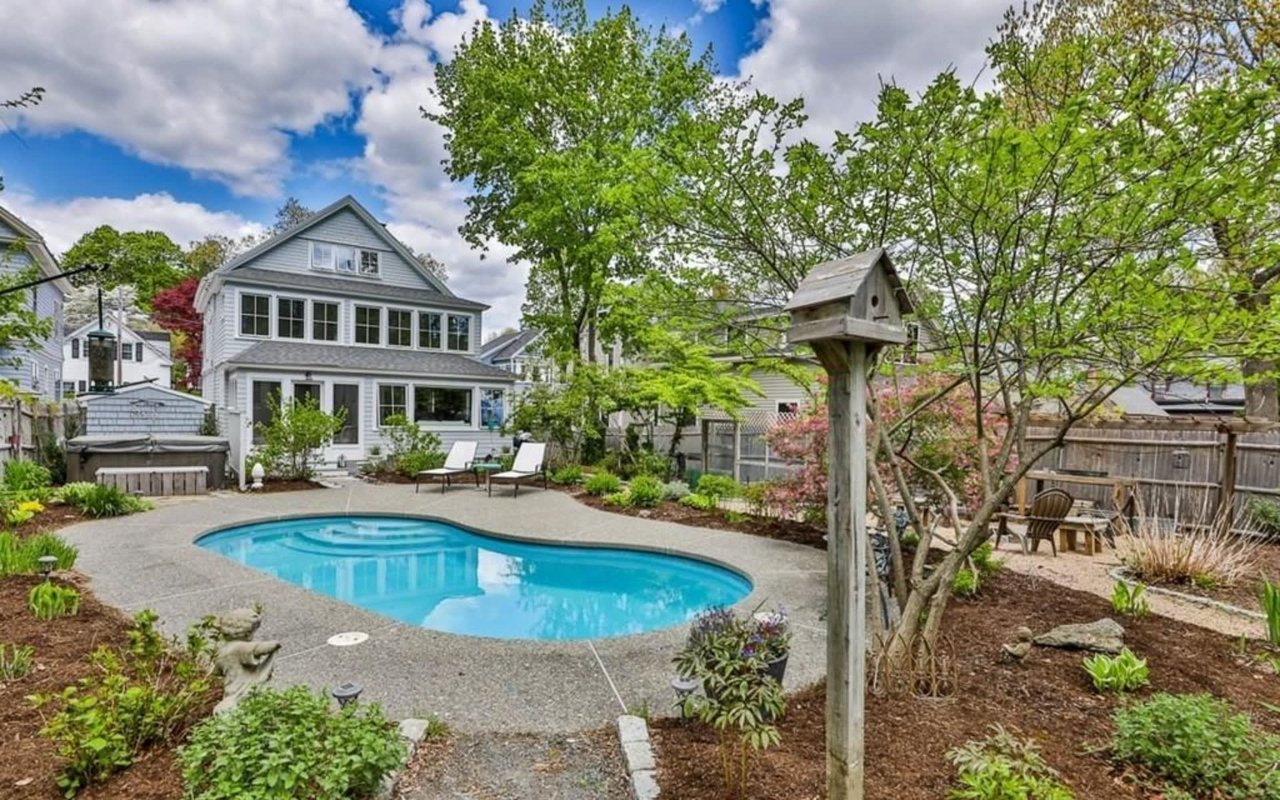
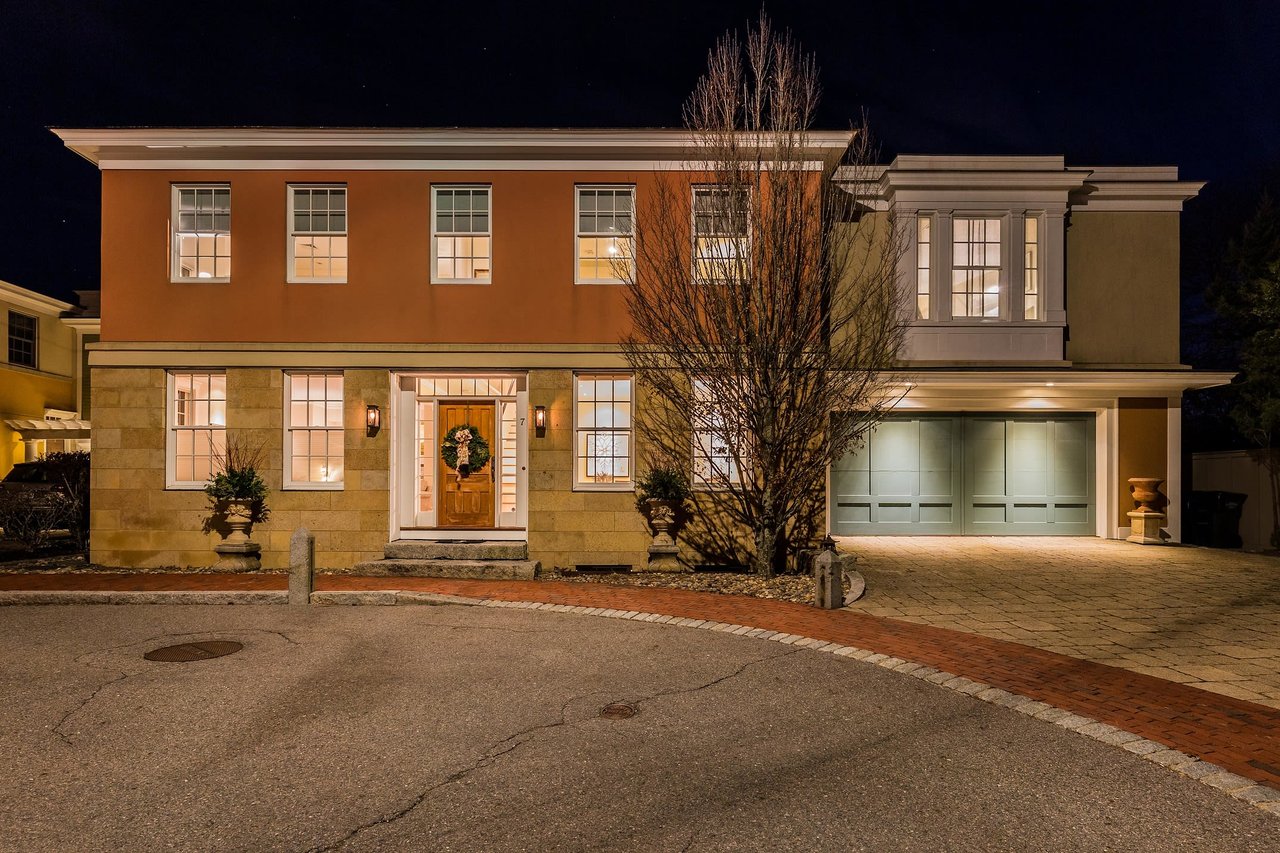
Newbury's real estate market reflects its desirability as a coastal retreat. As of late 2024/early 2025, the median home price ranges from $685,000 to $975,000 depending on the data source and specific time period, with prices showing volatility but general upward trends over the past year.
Market characteristics indicate competitive conditions. Homes typically sell within 30-74 days, with approximately 60% of properties selling within the first month in favorable periods. The market has shown seller-friendly conditions, though this varies seasonally.
Price per square foot has risen significantly, reaching $445-$474 in recent months, up over 17-28% year-over-year in 2024. This appreciation outpaced many comparable communities and reflects strong demand for Newbury's limited housing inventory.
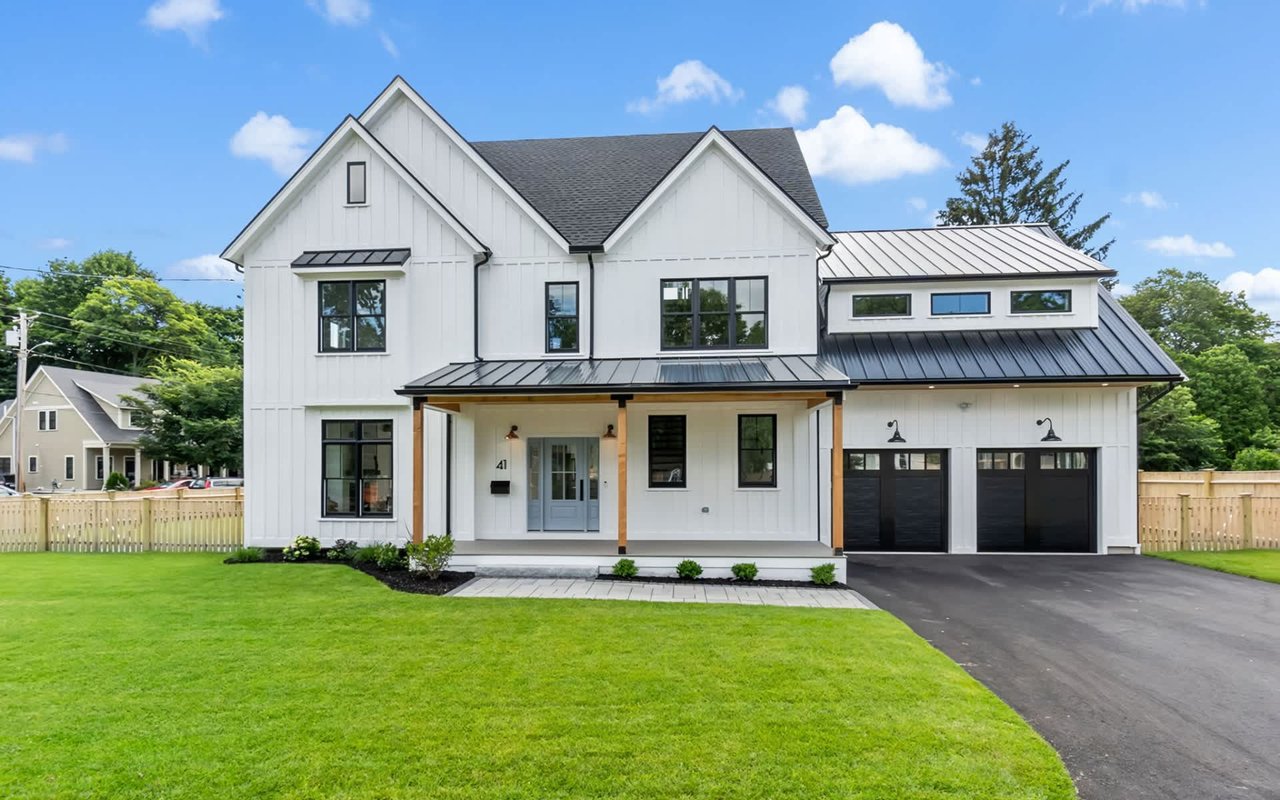
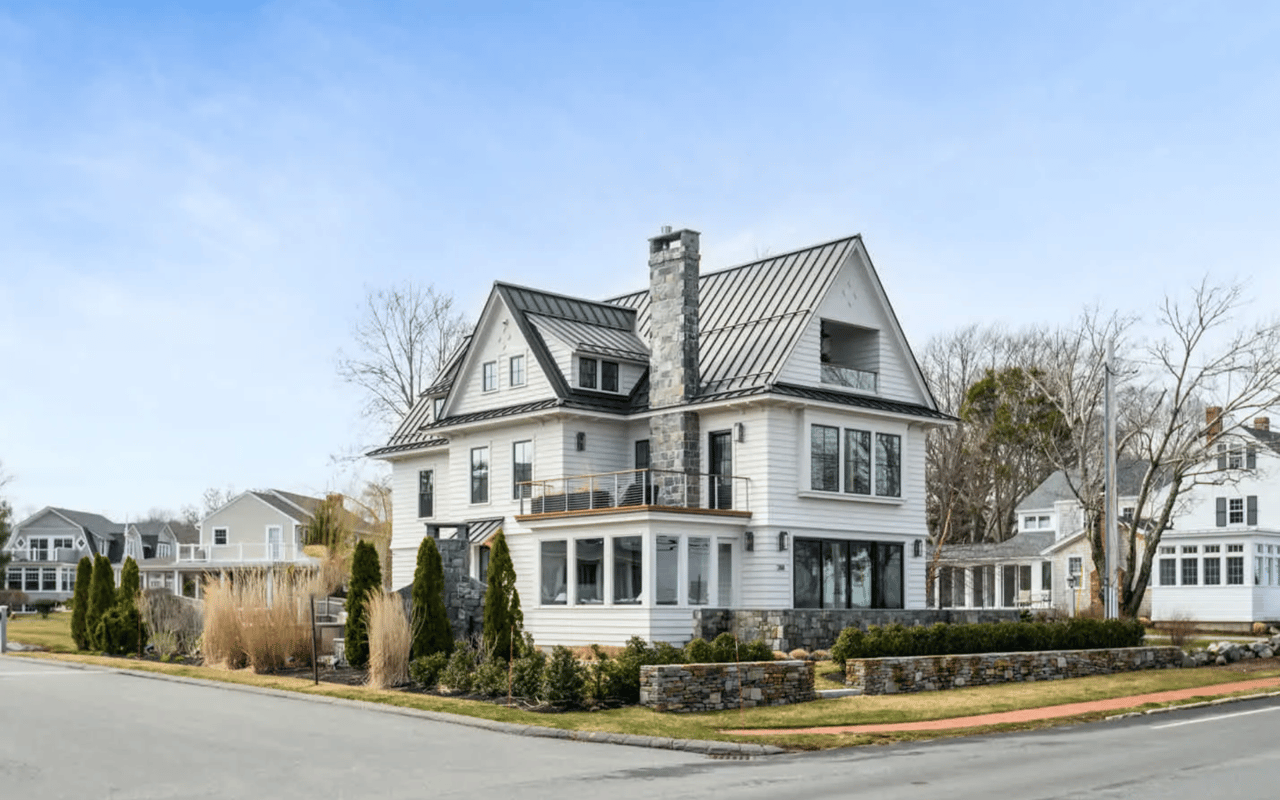
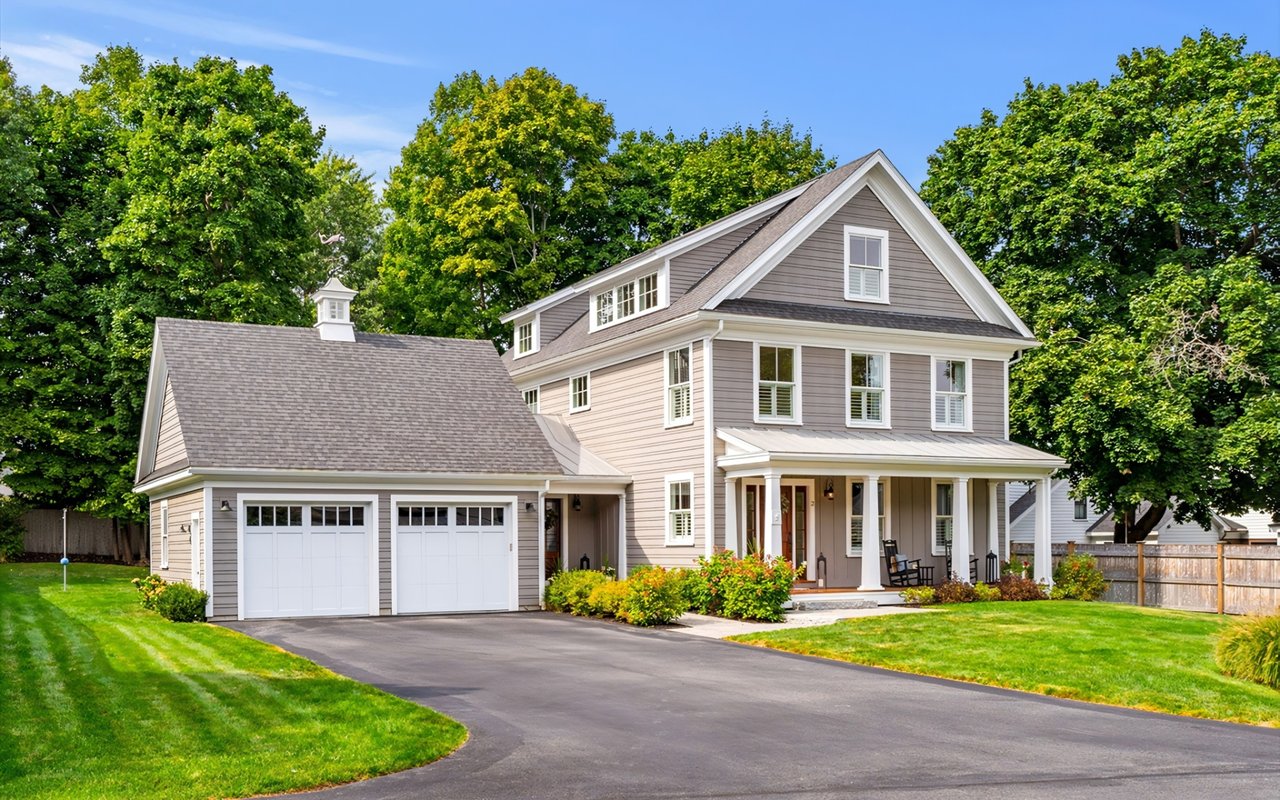
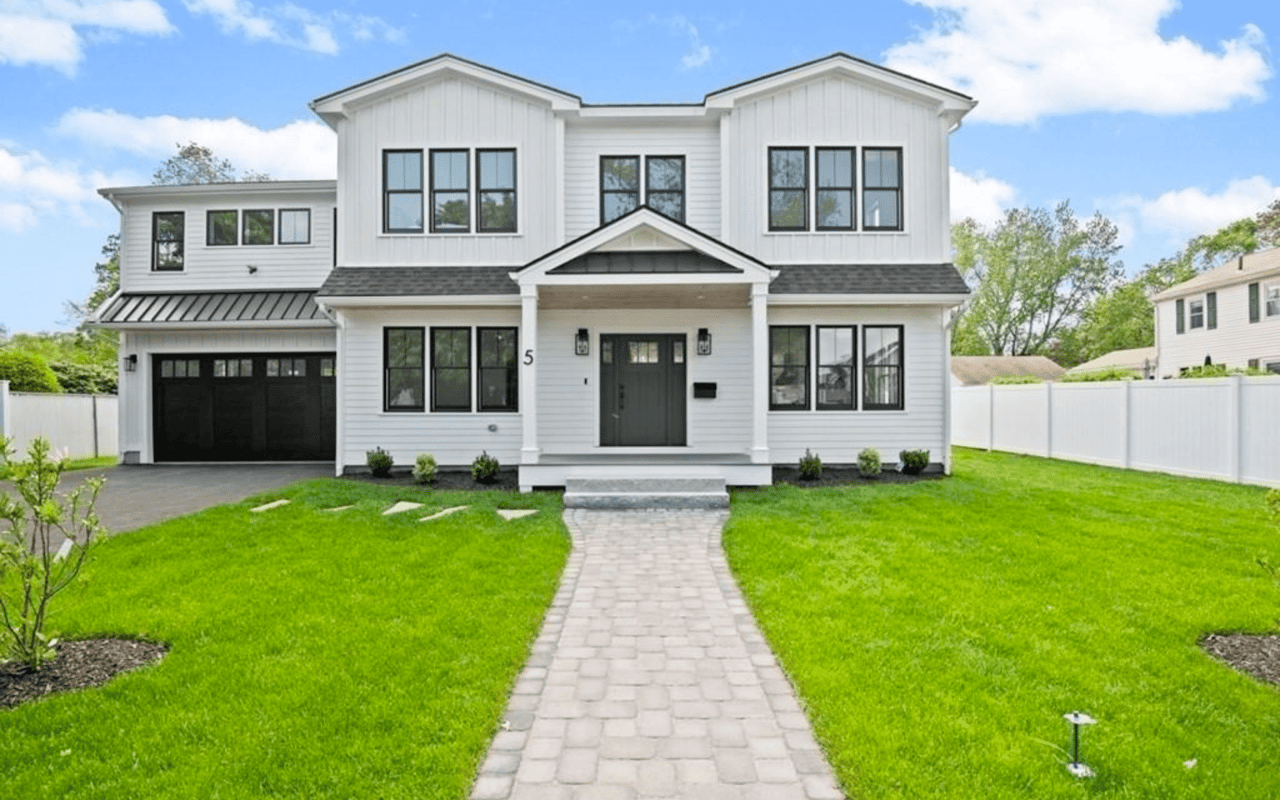
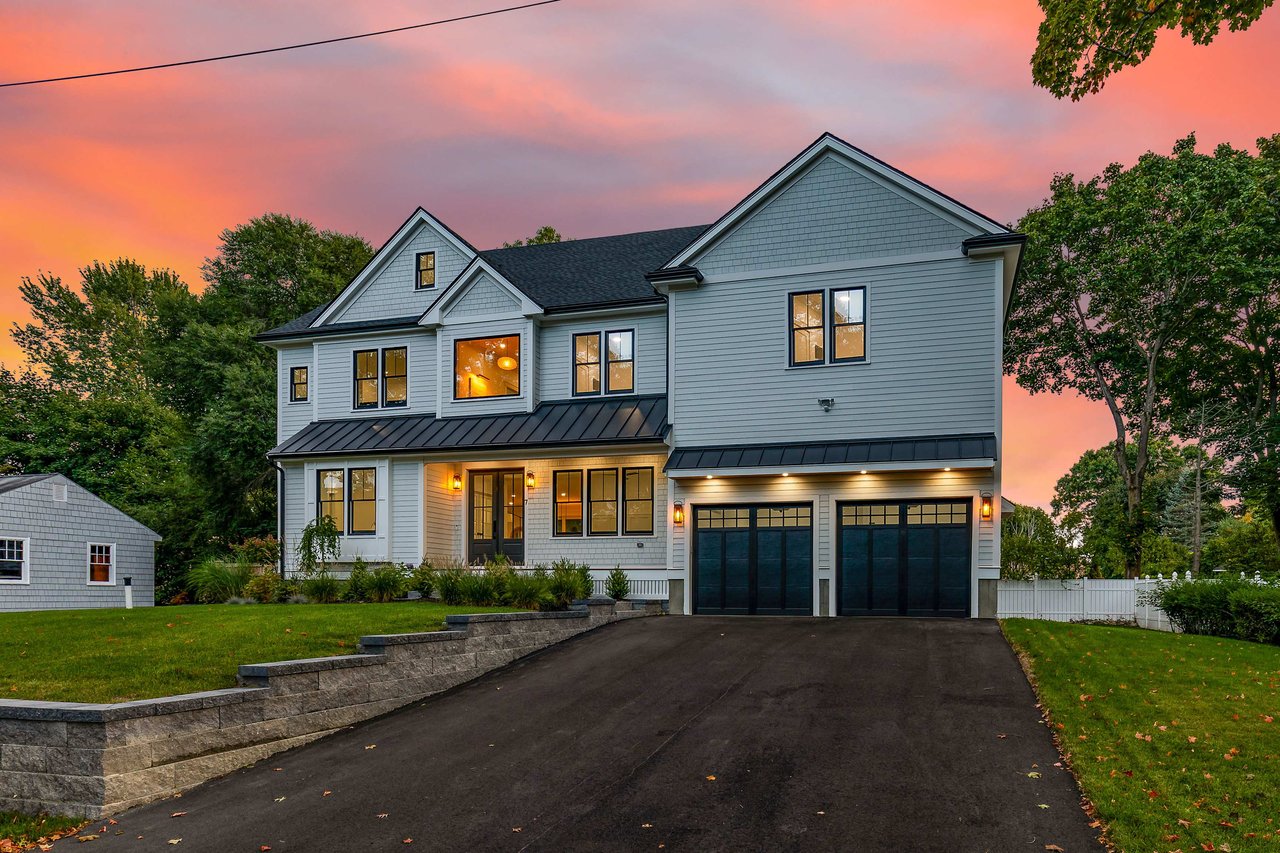
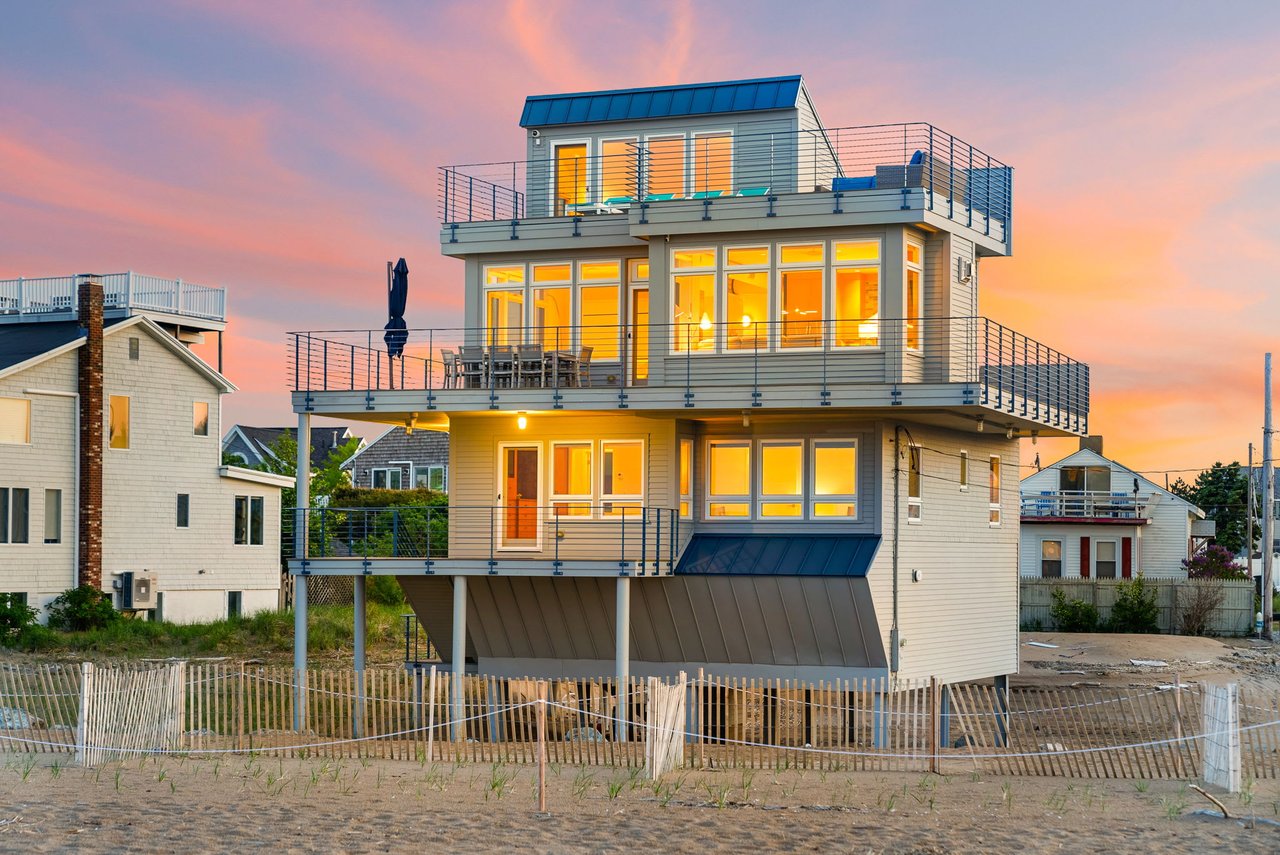
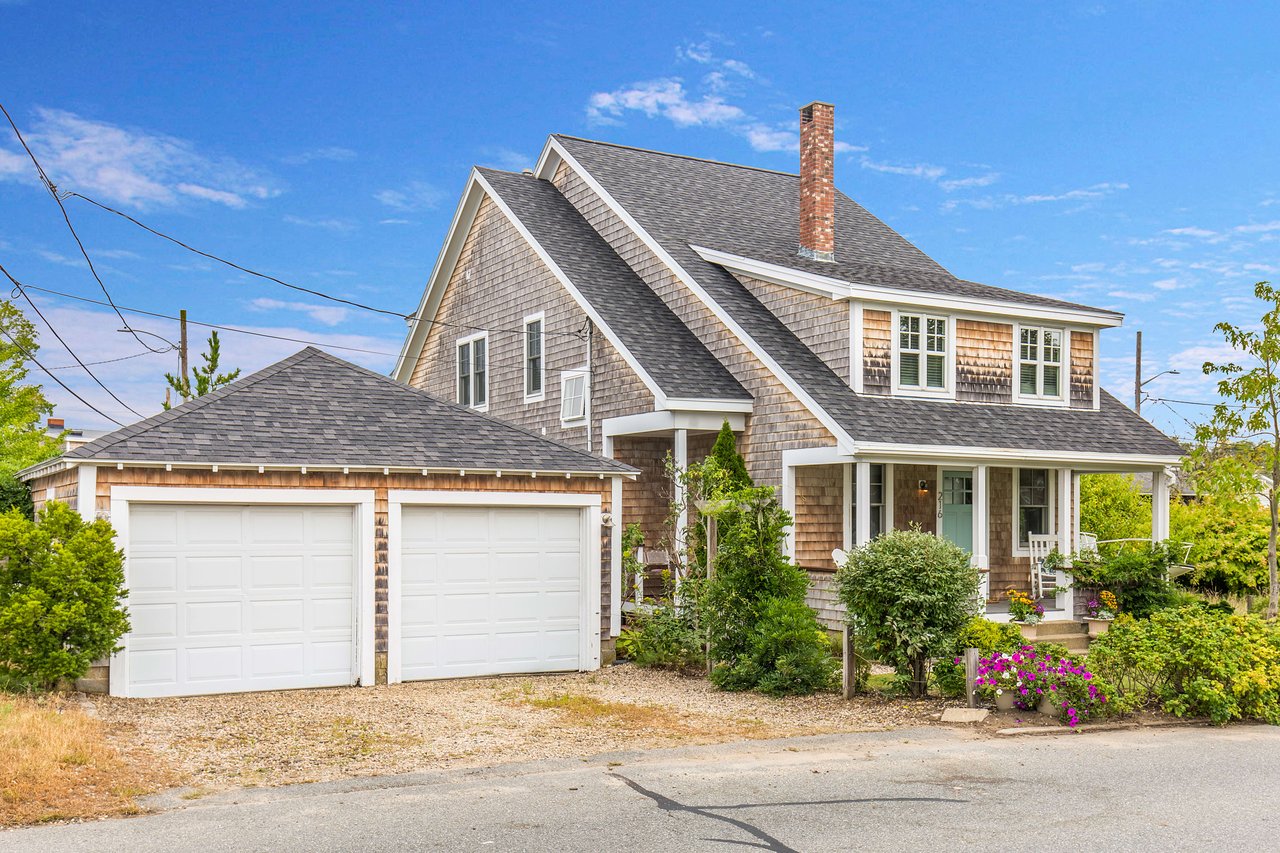
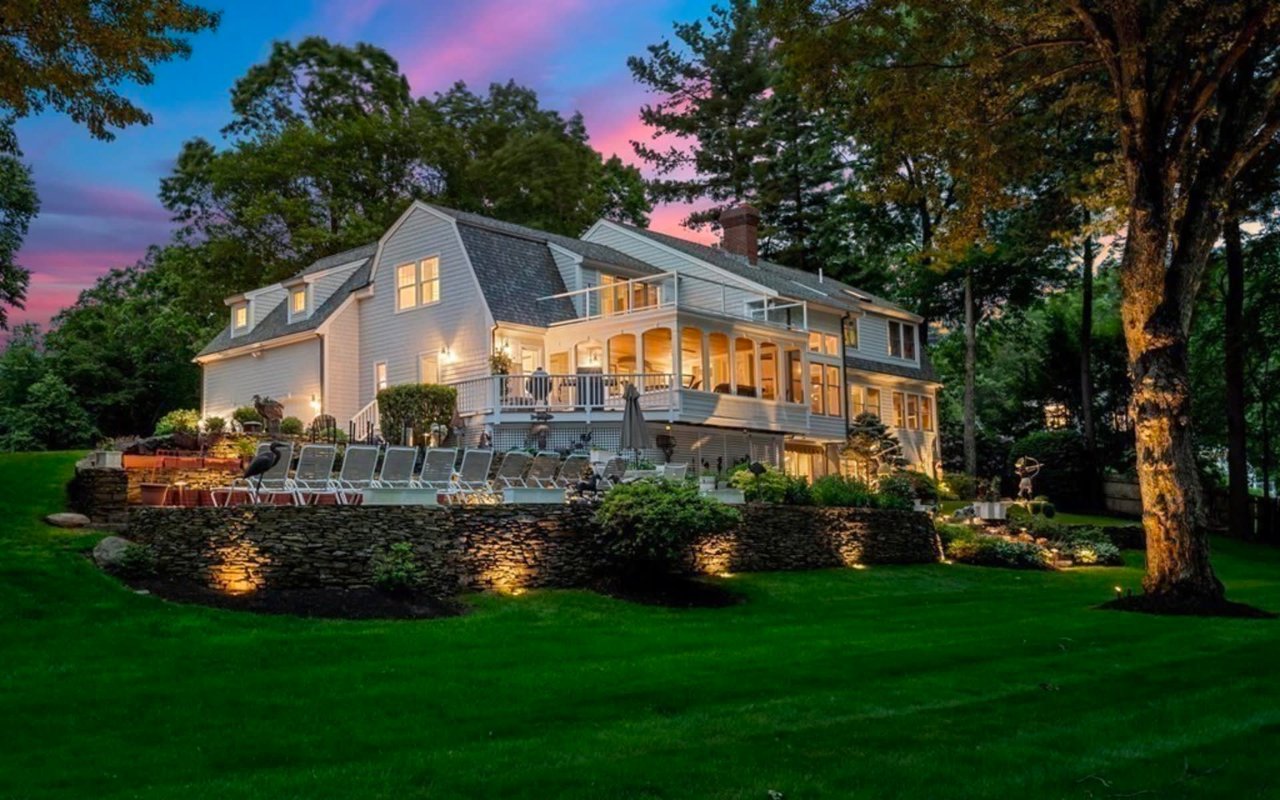
Inventory remains constrained with typically 16-47 homes available at any given time. The market features diverse property types: historic colonials, modern farmhouses, waterfront estates with private beach access, and equestrian properties on substantial acreage.
The town is among Massachusetts' most expensive real estate markets, ranking in the top 15% for home values statewide. Properties range from modest single-family homes in the $600,000s to multi-million dollar waterfront estates.
Flood Risk: Given Newbury's coastal location and extensive marshlands, flood zones are a critical consideration. Approximately 19% of properties face severe flood risk over the next 30 years according to recent climate projections. Buyers should obtain elevation certificates, review FEMA flood maps, and ensure adequate flood insurance. Properties on or near Plum Island face the highest risk.
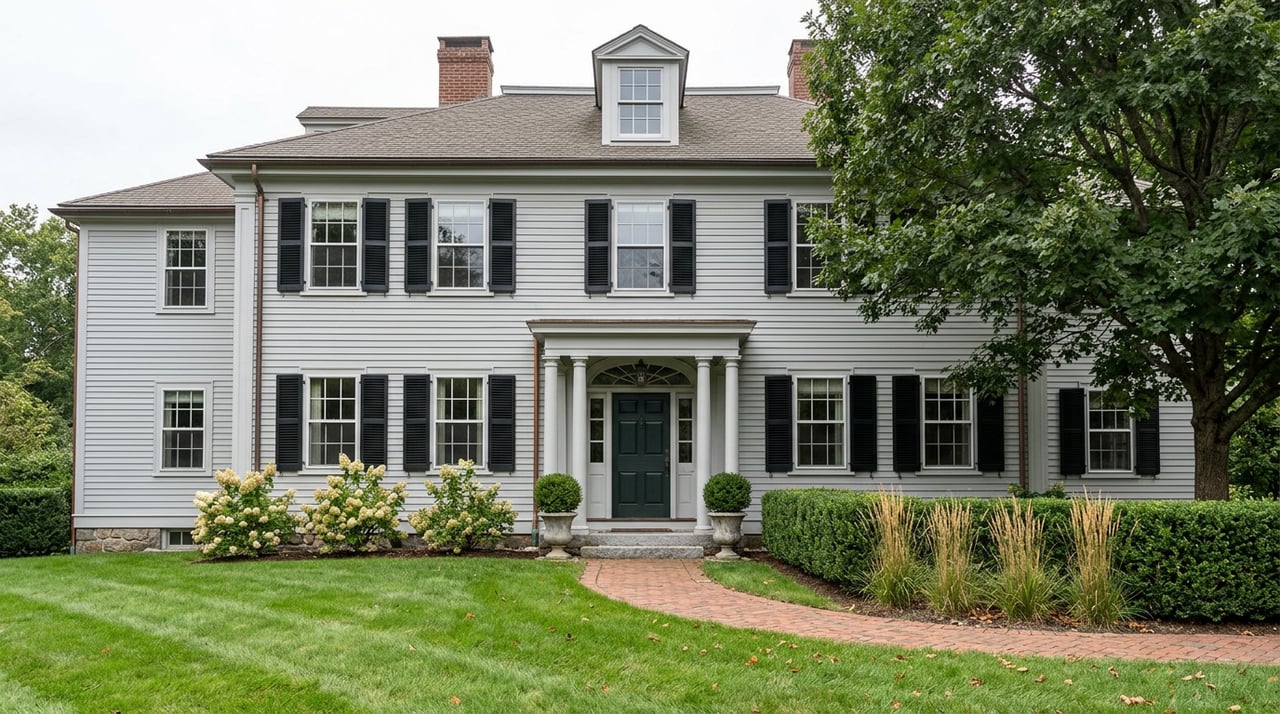
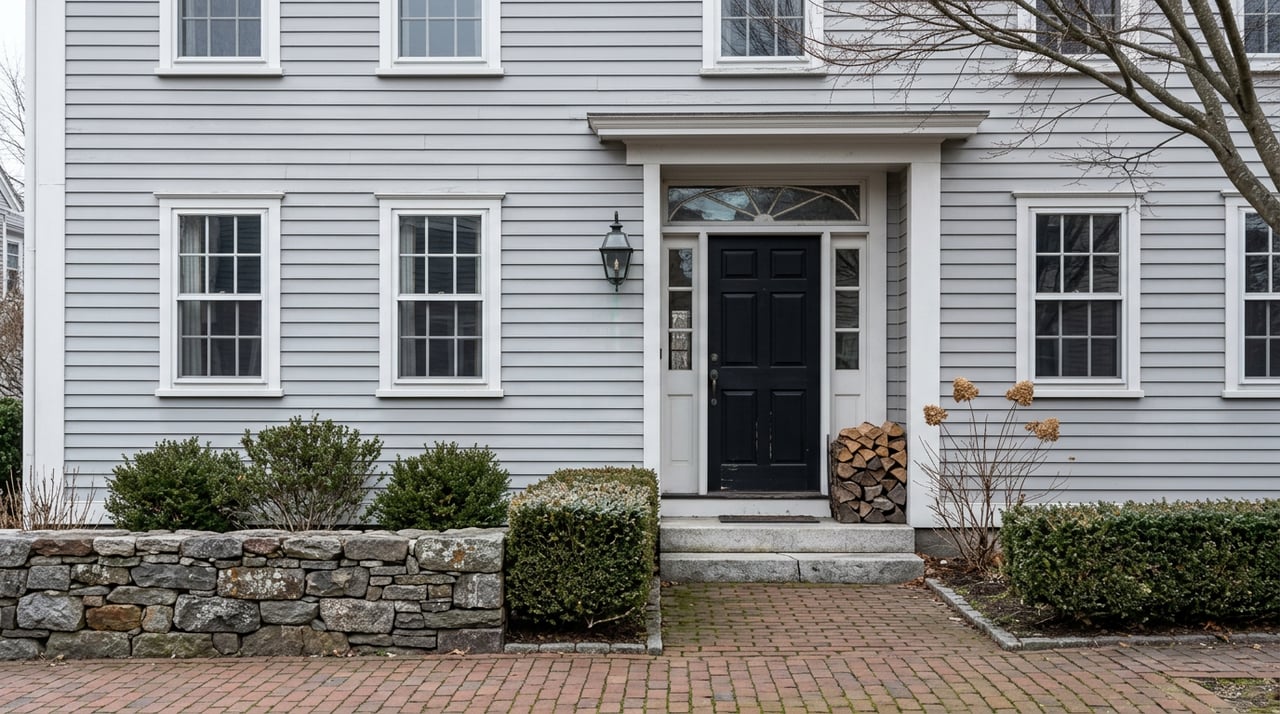
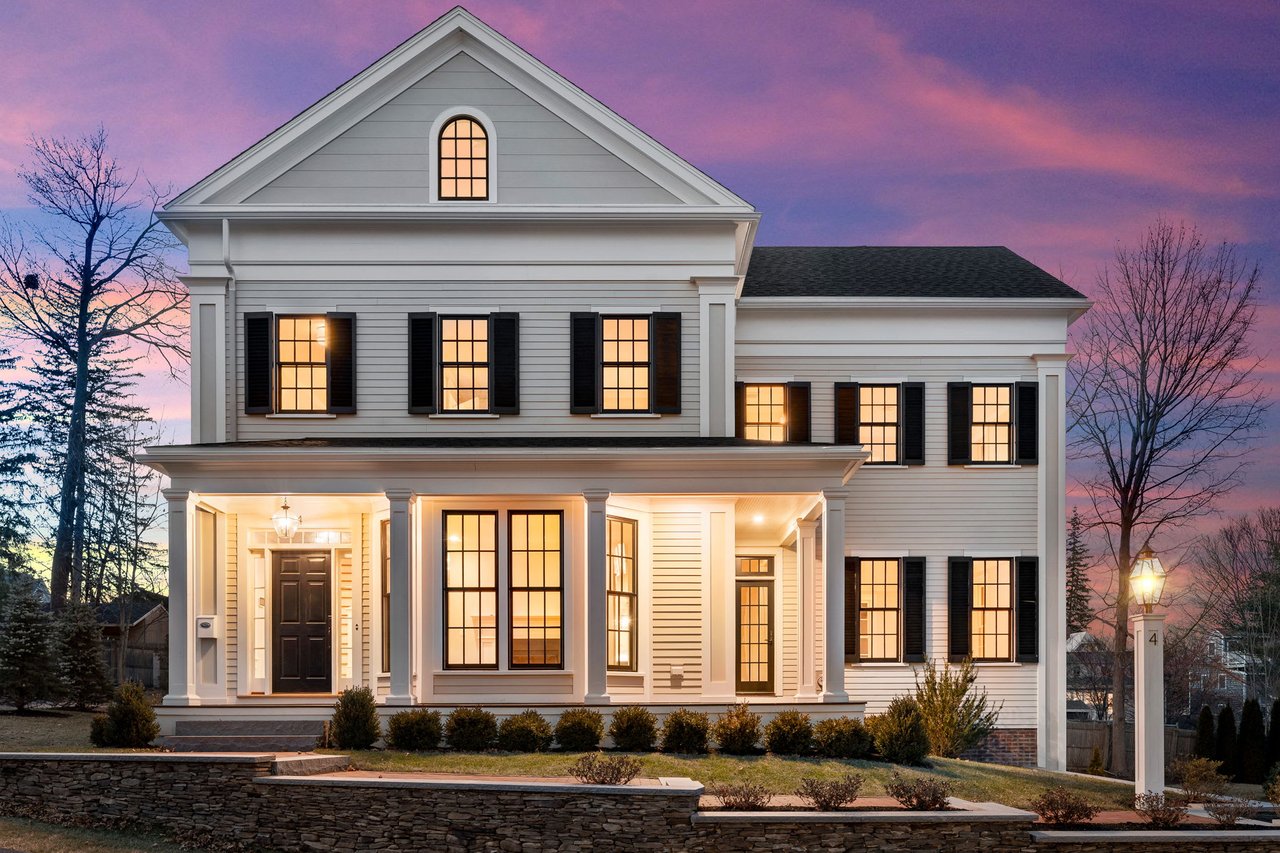
Property Age and Condition: Newbury features abundant historic architecture, with many homes pre-dating World War II. While these properties offer character and charm, buyers should budget for maintenance of older systems, potential lead paint remediation, and the higher costs associated with preserving historic structures.
Septic Systems: Much of Newbury lacks municipal sewer service, requiring septic systems. Title V inspections are mandatory at sale, and replacement costs can exceed $20,000-$30,000. Proximity to wetlands may restrict expansion options.
Wildlife and Conservation Restrictions: Properties abutting protected lands (Parker River NWR, Old Town Hill) enjoy scenic beauty but face restrictions on development, noise, and outdoor activities. Conservation easements may limit future building options.
School District Boundaries: Newbury participates in the Triton Regional School District (serving Newbury, Rowley, and Salisbury). While highly regarded, the district has faced mixed reviews. Families should research current performance metrics and consider proximity to The Governor's Academy, a prestigious private option.
Seasonal Access: Plum Island experiences significant seasonal traffic, particularly summer weekends. Beach parking fills early, and the single access road can create congestion. Consider how this affects daily commutes and quality of life.
Market Speed: Newbury's limited inventory means desirable properties move quickly. Buyers should be prepared to act decisively, often within days of listing. Competitive offers and pre-approval are essential.
Village Character: The three villages (Old Town, Byfield, Plum Island) offer distinct lifestyles. Old Town provides proximity to services, Byfield offers historic rural charm, and Plum Island delivers beachfront living with seasonal activity.
Seasonality: Newbury's real estate market peaks in spring and early summer when the town's coastal appeal is most evident. Properties listed March through June typically achieve higher prices and faster sales. Beach properties particularly benefit from spring listings when buyers visualize summer enjoyment.
Buyer Demographics: Newbury attracts affluent professionals seeking second homes, retirees downsizing from larger properties, and families relocating from urban areas. Marketing should emphasize outdoor lifestyle, privacy, proximity to Boston, and natural beauty. The median buyer income supports premium pricing.
Pricing Strategy: Given market volatility and limited comparable sales, pricing requires careful analysis. Overpricing risks extended market time in a competitive environment. Properties should be priced at or slightly below recent comparables to generate multiple offers. The median price per square foot ($445-$474) provides guidance, but waterfront, views, and privacy command significant premiums.
Value-Adding Upgrades: Improvements that maximize value include: modernized kitchens and bathrooms maintaining period character, energy efficiency upgrades (critical for older homes), landscaping emphasizing privacy and outdoor living spaces, updated septic systems with documentation, and flood mitigation measures for vulnerable properties.
Staging and Presentation: Emphasize Newbury's lifestyle appeal through strategic staging. Highlight outdoor spaces, views, and natural light. For historic properties, balance period charm with modern amenities. Professional photography showcasing the property in different seasons helps buyers envision year-round living.
Disclosure Requirements: Be thorough with environmental disclosures given flood risks, wetlands proximity, and older properties. Title V septic certifications, lead paint disclosures, and flood zone documentation should be prepared before listing.
Marketing Channels: Target Boston-area professionals, second-home buyers from metropolitan areas, and retirees seeking coastal living. Emphasize proximity to Newburyport's amenities, outdoor recreation, and the town's protected character that limits future development.
While Newbury maintains a residential character, nearby Newburyport offers exceptional dining within minutes. Within Newbury proper, Plum Island features several notable establishments.
Bob Lobster (49 Plum Island Turnpike) stands as Newbury's most celebrated restaurant. Originally established in 2001 as a seafood market by local lobsterman Bob Hartigan, it evolved into an award-winning restaurant known for golden fried seafood, lobster rolls, and chowder. The casual atmosphere features both indoor and outdoor seating with stunning sunset views over Plum Island Marsh.
Plum Island Grille (2 Plum Island Boulevard) offers American cuisine with Mediterranean influences, featuring seafood, steaks, and burgers. The restaurant's sunset views attract locals and visitors, particularly during summer evenings. The Irish fish and chips receive consistent praise.
Sunset Club Plum Island provides a family-friendly atmosphere with casual dining and beautiful location views. It's a popular spot for beachgoers seeking convenient meals.
Additional options include Mad Martha's Cafe, offering funky, homey American breakfast and lunch across from the beach, and FM Station Cafe for all-day dining with curbside pickup available.
For broader entertainment and dining options, downtown Newburyport (minutes away) features over 50 restaurants ranging from fine dining to casual eateries, including Sea Level Oyster Bar, Black Cow, Tuscan Sea Grille & Bar, and numerous coffee shops and bakeries. The historic downtown also hosts the Firehouse Center for the Arts and Custom House Maritime Museum.

Entertainment focuses on outdoor recreation rather than nightlife, aligning with the town's family-oriented character and natural setting.
Newbury's recreation centers on its exceptional natural resources, with outdoor activities dominating the lifestyle.
Parker River National Wildlife Refuge encompasses most of Plum Island's 3,000 acres, providing vital habitat for migratory birds along the Atlantic Flyway. The refuge offers miles of trails including the Hellcat Boardwalk Trail, Stage Island Trail, and Pines Trail, plus observation towers for wildlife viewing. Activities include hiking, biking, wildlife photography, fishing, paddling, and beach access (seasonal closures protect nesting plovers). The refuge welcomes over 300,000 visitors annually.
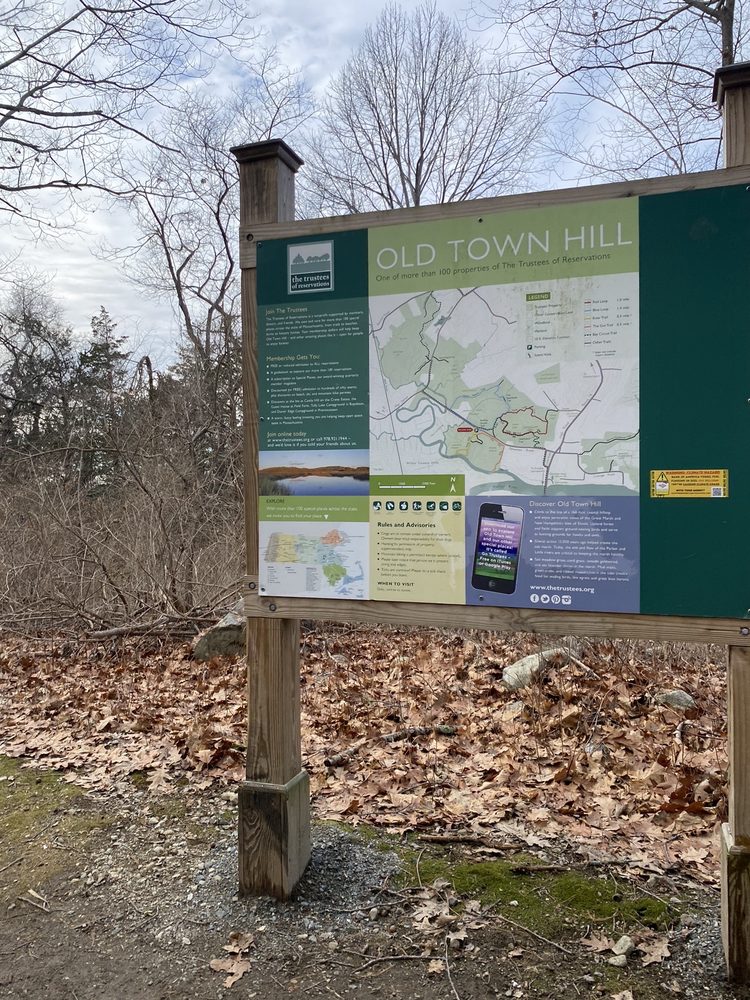
Old Town Hill features three miles of trails through wetlands and forests, ascending to 168-foot Great Hill with panoramic views of the Parker River corridor and surrounding marshes. The Ridge Trail offers moderate climbs with vistas, while the family-friendly River Trail loops through oak forests along the Little River. Old Town Hill connects to the Bay Circuit Trail, a regional path system.
Plum Island Beach provides nine miles of pristine Atlantic coastline for swimming, surfing, sunbathing, and beachcombing. The barrier island's beaches are among the region's finest, though parking requires early arrival during summer.
Additional recreation areas include the Martin Burns Wildlife Management Area (woodland hiking, snowshoeing, cross-country skiing), Great Meadow Farm (open fields and woodland trails), Caldwell Farm Trail (one-mile loop), and multiple boat launches for kayaking and canoeing on the Parker River and surrounding waters.
Equestrian facilities accommodate Newbury's horse community, with private stables and riding trails on conservation land. The town maintains Central Street Playing Fields for youth sports.
Year-round opportunities include birding (over 300 species recorded), shellfishing (licensed), hunting (designated areas), and salt marsh haying, a traditional practice still conducted on town lands.
Newbury participates in the Triton Regional School District, serving Newbury, Rowley, and Salisbury with approximately 2,300 students.
Newbury Elementary School (grades PK-6) serves local students with a strong community reputation. Parents consistently rate it among the area's best elementary schools for its faculty and community engagement.
Triton Regional Middle School (grades 7-8) and Triton Regional High School (grades 9-12) share a campus in Byfield. The high school offers AP courses and maintains a 92% graduation rate with average SAT scores of 1220 and ACT scores of 26.
District performance metrics show 39% math proficiency and 48% reading proficiency, placing Triton in the middle range of Massachusetts districts. The district ranks #192 out of 395 statewide, with a student-teacher ratio of 10:1. GreatSchools rates Triton Regional High School 5 out of 10.
The district faces challenges with infrastructure needs and mixed parent feedback regarding academic rigor and support systems. However, many families report positive experiences, particularly at the elementary level.
The Governor's Academy (1 Elm Street, Byfield) provides an exceptional private alternative. Founded in 1763, it's the oldest continuously operating boarding school in New England. The Academy enrolls approximately 400 students in grades 9-12, with about 60% boarding. With a 4:1 student-teacher ratio, average GPA of 3.71, 100% graduation rate, and average SAT of 1370, Governor's offers rigorous college preparation. Annual tuition is approximately $64,900. The school's 456-acre campus features historic buildings and modern facilities.
For higher education, Salem State University, Northern Essex Community College, and numerous Boston-area universities are within commuting distance.
Newbury offers excellent highway access despite its rural character, making it surprisingly accessible for commuters.
Interstate 95 passes through western Newbury with two exits (Exit 54 and nearby exits) providing direct access. The highway connects to Boston (35 miles south, approximately 40-50 minutes in normal traffic) and Portsmouth, New Hampshire (24 miles north, 25-30 minutes).


U.S. Route 1 (Newburyport Turnpike) traverses Newbury north-south, offering an alternative to I-95 with access to Newburyport, Salem, and points south.
Massachusetts Route 1A provides coastal access through Newbury to Plum Island and continues south along the shore.
Interstate 495, the outer circumferential highway around Boston, passes through nearby Amesbury, providing connections to western Massachusetts and New Hampshire.
Local accessibility is car-dependent. While Newburyport's walkable downtown sits minutes away, daily errands require driving. The rural character means limited public transportation within Newbury itself.
Natural Beauty and Outdoor Lifestyle: Residents consistently cite Newbury's exceptional natural environment as the primary draw. The combination of pristine beaches, protected marshlands, and extensive conservation areas creates an unparalleled outdoor lifestyle. Daily walks along the Parker River, kayaking through salt marshes, and beachcombing on Plum Island become cherished routines.
Privacy and Space: Newbury delivers genuine rural living within reach of urban amenities. Large lots, protected open space, and low population density provide the privacy and tranquility increasingly rare on the North Shore. The absence of strip malls, chain stores, and commercial development preserves the town's unspoiled character.
Proximity to Newburyport: Having Newburyport's vibrant downtown, exceptional restaurants, cultural venues, and boutique shopping just minutes away provides the best of both worlds. Residents enjoy Newbury's peace while accessing sophisticated urban amenities without the crowds or congestion.
Accessible Boston Connection: The 35-mile distance to Boston strikes an ideal balance for professionals and retirees. The commute remains manageable via highway or commuter rail, yet Newbury feels worlds away from city stress. Weekend trips to Boston's cultural institutions are convenient without the daily urban environment.
Protected Character: Extensive conservation restrictions and protected lands ensure Newbury's character will endure. Residents value knowing that development pressures won't transform their community. The Parker River National Wildlife Refuge alone protects thousands of acres in perpetuity.
Historical Significance: The abundance of 17th and 18th-century architecture, The Governor's Academy's 260-year legacy, and the town's colonial heritage appeal to history enthusiasts. Walking past homes older than the nation itself provides daily connection to American history.
Safe, Family-Oriented Community: Newbury's low crime rate, excellent schools at the elementary level, and family-friendly atmosphere attract parents. The town's peaceful nature and abundant outdoor recreation provide an ideal environment for raising children.
Seasonal Beauty: Four distinct seasons showcase Newbury's landscape differently throughout the year. Brilliant fall foliage, pristine winter snowscapes, spring marsh awakenings, and glorious summer beaches create an ever-changing backdrop that residents never take for granted.
High Road: Newbury's historic heart features exceptional 17th and 18th-century homes including the Tristram Coffin House (1651), Henry Sewall House (1660s), and Dr. Peter Toppan House (1690s). Properties here command premiums for historical significance and proximity to Old Town's center.
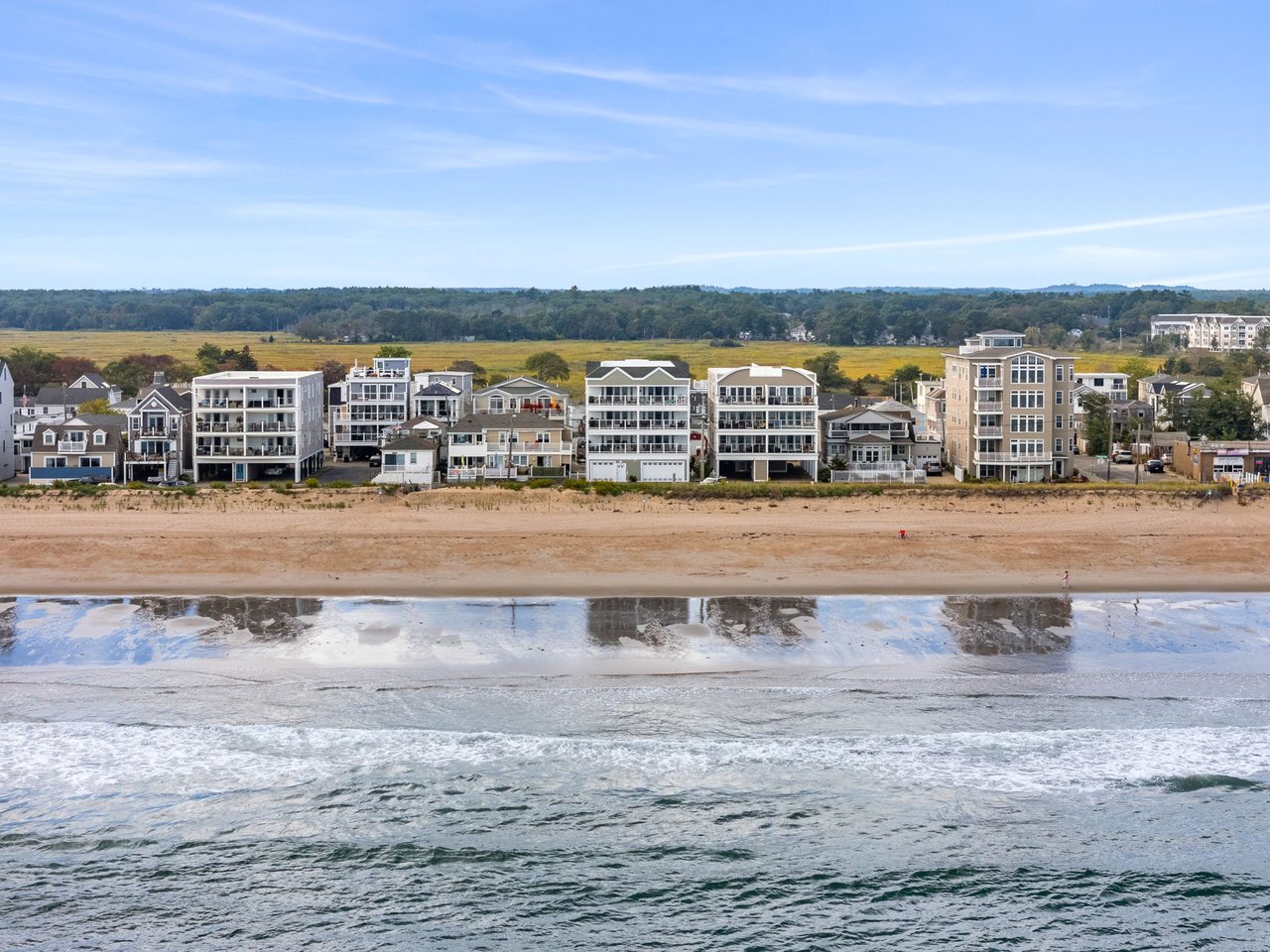
Plum Island Boulevard and Northern Boulevard: Waterfront properties along Plum Island represent the town's most expensive real estate. Direct beach access, ocean views, and the island lifestyle create exceptional demand. Properties here range from modest beach cottages to multi-million dollar estates.
Newman Road and Hay Street: Proximity to Old Town Hill while maintaining privacy makes these addresses desirable. Properties here often feature substantial acreage with marsh or hill views.
Scotland Road: This historic route through Newbury's interior features larger properties, often equestrian estates or gentleman farms. The area maintains rural character while offering convenient I-95 access.
Orchard Street (Byfield): Properties along this road in the Byfield village provide access to Great Meadow Farm and Martin Burns Wildlife Management Area while maintaining proximity to The Governor's Academy.
Parker River Frontage: Any property with direct Parker River access or views commands significant premiums. These locations offer private kayak/canoe launching and exceptional wildlife viewing.
Estates Near The Governor's Academy: Proximity to the historic campus and its grounds appeals to families with students attending the school and those appreciating the preserved landscape.
Newbury is for buyers seeking authentic rural coastal living within reach of urban amenities. If you prioritize natural beauty, outdoor recreation, and privacy over walkability and nightlife, Newbury delivers.
Ideal buyers include Boston-area professionals willing to commute for exceptional quality of life, empty nesters and retirees seeking tranquility while maintaining access to culture and services, affluent families who value outdoor childhood experiences and are comfortable with private school options or supplementing public education, second-home buyers seeking coastal retreats, and equestrians requiring acreage for horses and related activities.
Newbury suits those who embrace maintenance responsibilities of older homes and larger properties, who find fulfillment in nature rather than urban entertainment, and who appreciate protected conservation lands and limited development.
However, for buyers who recognize that true quality of life comes from space, natural beauty, and community character rather than convenience and density, Newbury represents one of Massachusetts' most rewarding places to call home. The combination of protected landscapes, historical significance, coastal access, and proximity to sophisticated urban amenities creates a lifestyle increasingly rare and correspondingly valued.
There's plenty to do around Newbury, including shopping, dining, nightlife, parks, and more. Data provided by Walk Score and Yelp.
Explore popular things to do in the area, including A Little Bit of Naples, Kraken Gaming, and Manolin Charters.
| Name | Category | Distance | Reviews |
Ratings by
Yelp
|
|---|---|---|---|---|
| Shopping | 2.77 miles | 13 reviews | 5/5 stars | |
| Shopping | 4.77 miles | 5 reviews | 5/5 stars | |
| Active | 2.96 miles | 5 reviews | 5/5 stars | |
| Active | 3.56 miles | 10 reviews | 5/5 stars | |
| Active | 4.35 miles | 6 reviews | 5/5 stars | |
| Active | 2.9 miles | 7 reviews | 5/5 stars | |
| Active | 2.83 miles | 6 reviews | 5/5 stars | |
| Active | 2.82 miles | 16 reviews | 5/5 stars | |
| Active | 4.84 miles | 6 reviews | 5/5 stars | |
| Beauty | 2.87 miles | 5 reviews | 5/5 stars | |
| Beauty | 4.14 miles | 5 reviews | 5/5 stars | |
|
|
||||
|
|
||||
|
|
||||
|
|
||||
|
|
||||
|
|
Newbury has 2,588 households, with an average household size of 3. Data provided by the U.S. Census Bureau. Here’s what the people living in Newbury do for work — and how long it takes them to get there. Data provided by the U.S. Census Bureau. 6,729 people call Newbury home. The population density is 359.628 and the largest age group is Data provided by the U.S. Census Bureau.
Total Population
Population Density Population Density This is the number of people per square mile in a neighborhood.
Median Age
Men vs Women
Population by Age Group
0-9 Years
10-17 Years
18-24 Years
25-64 Years
65-74 Years
75+ Years
Education Level
Total Households
Average Household Size
Average individual Income
Households with Children
With Children:
Without Children:
Blue vs White Collar Workers
Blue Collar:
White Collar: