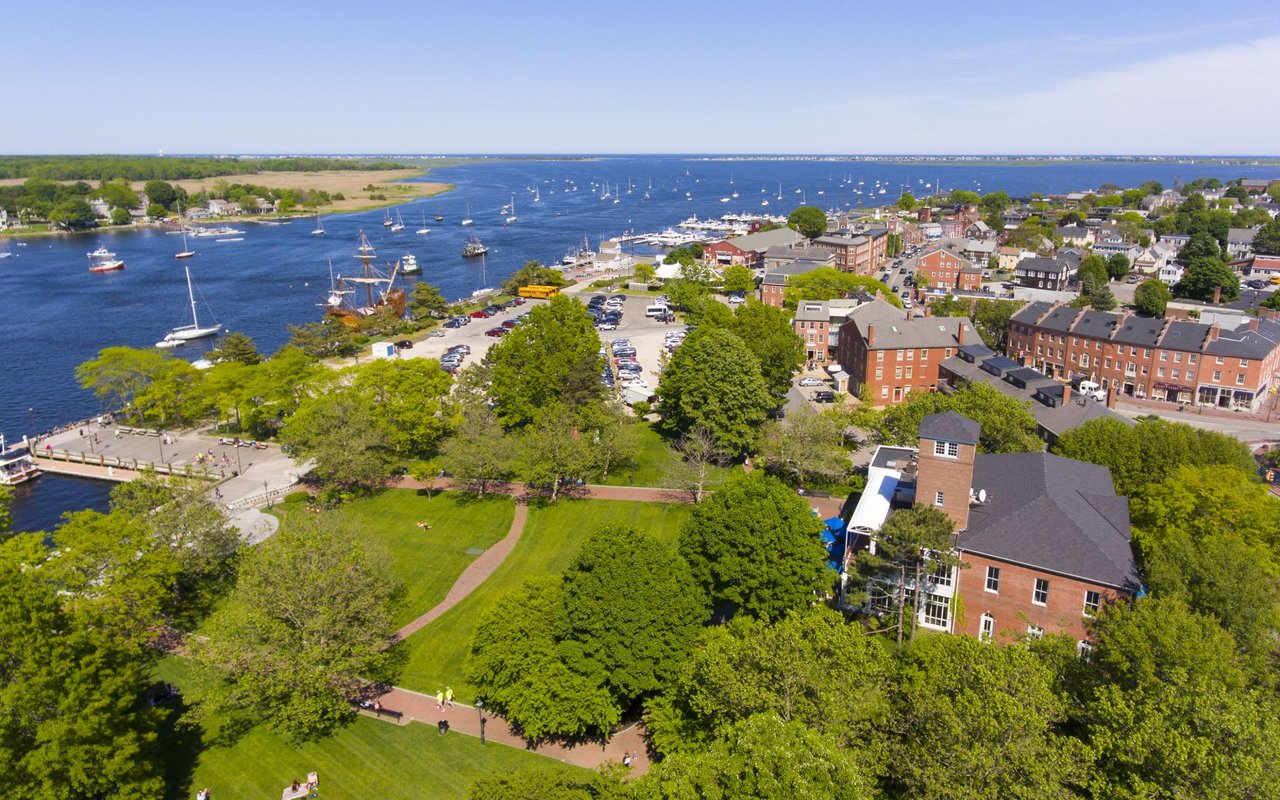
Welcome to Newburyport
Where coastal charm meets cultural richness in a walkable, historic setting
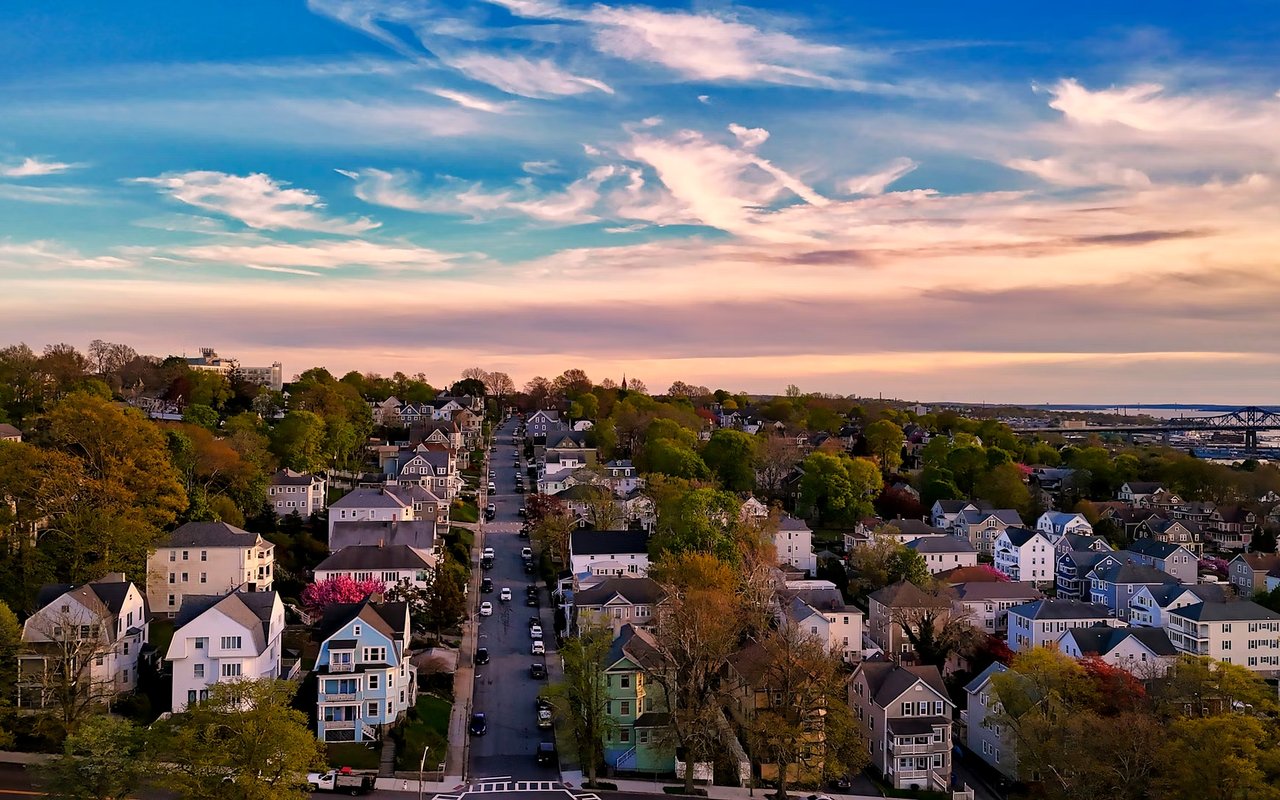
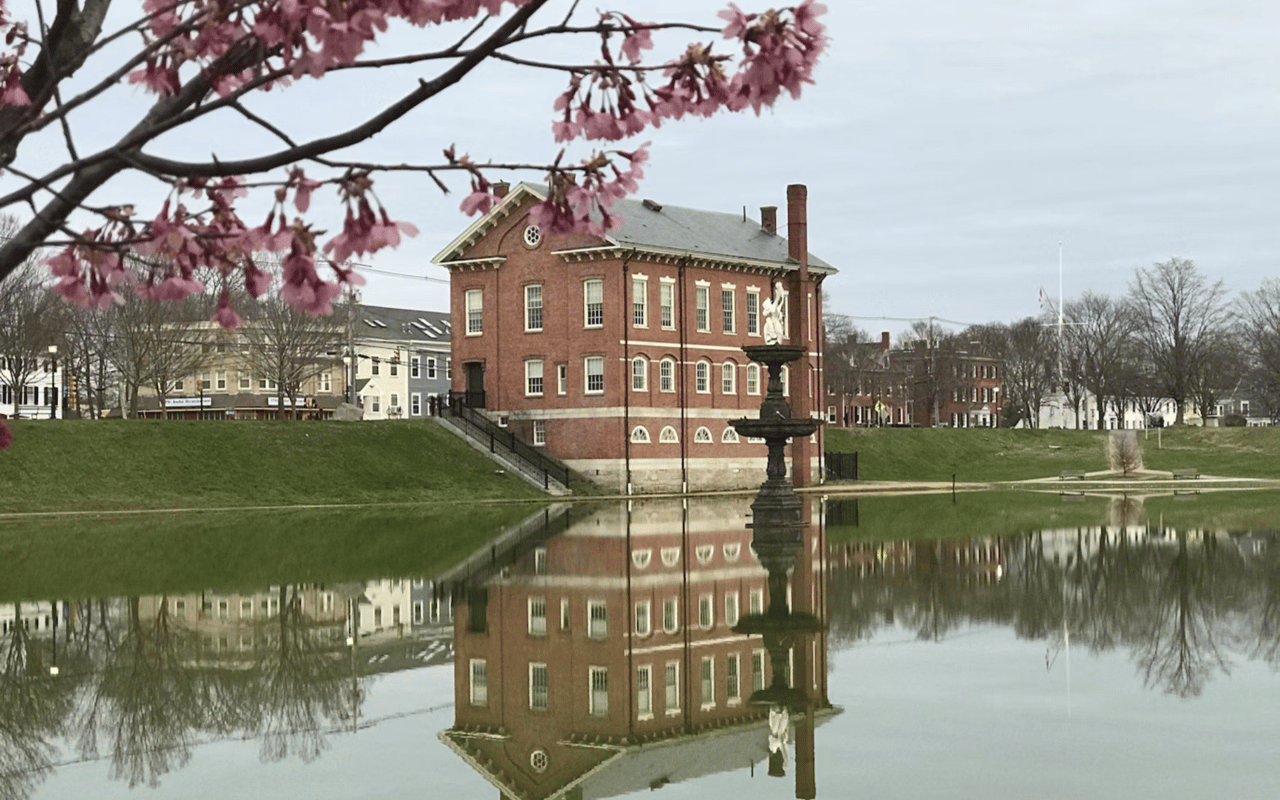
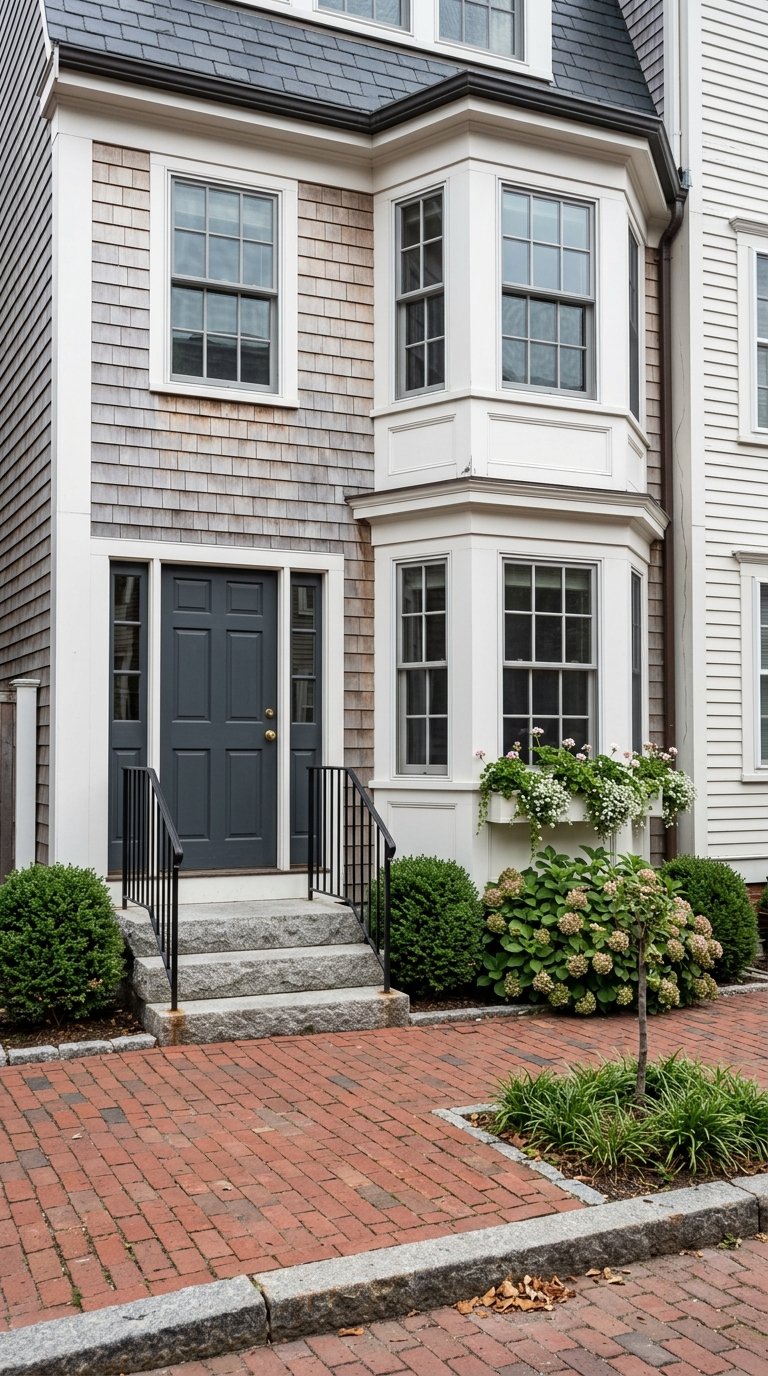
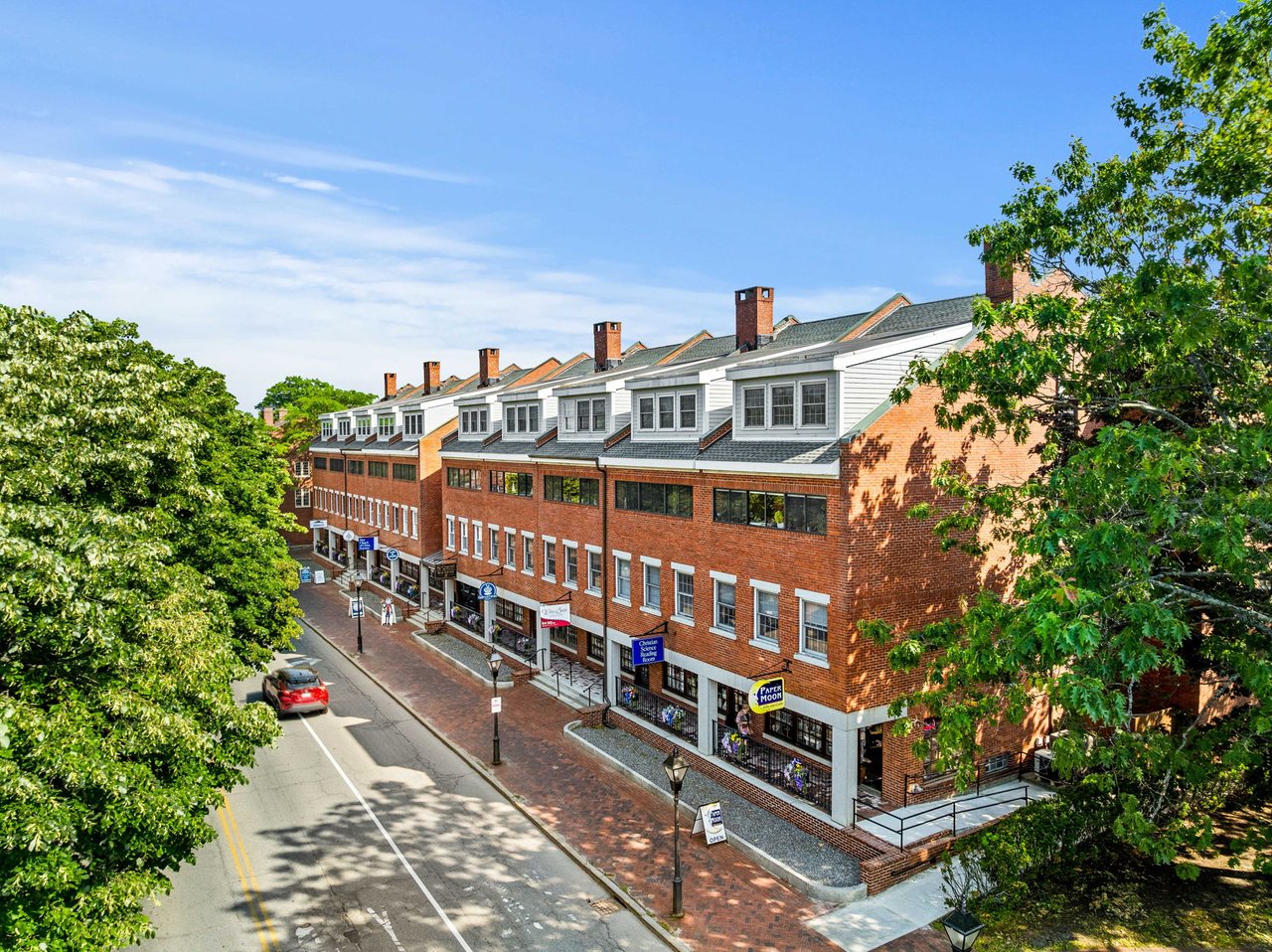
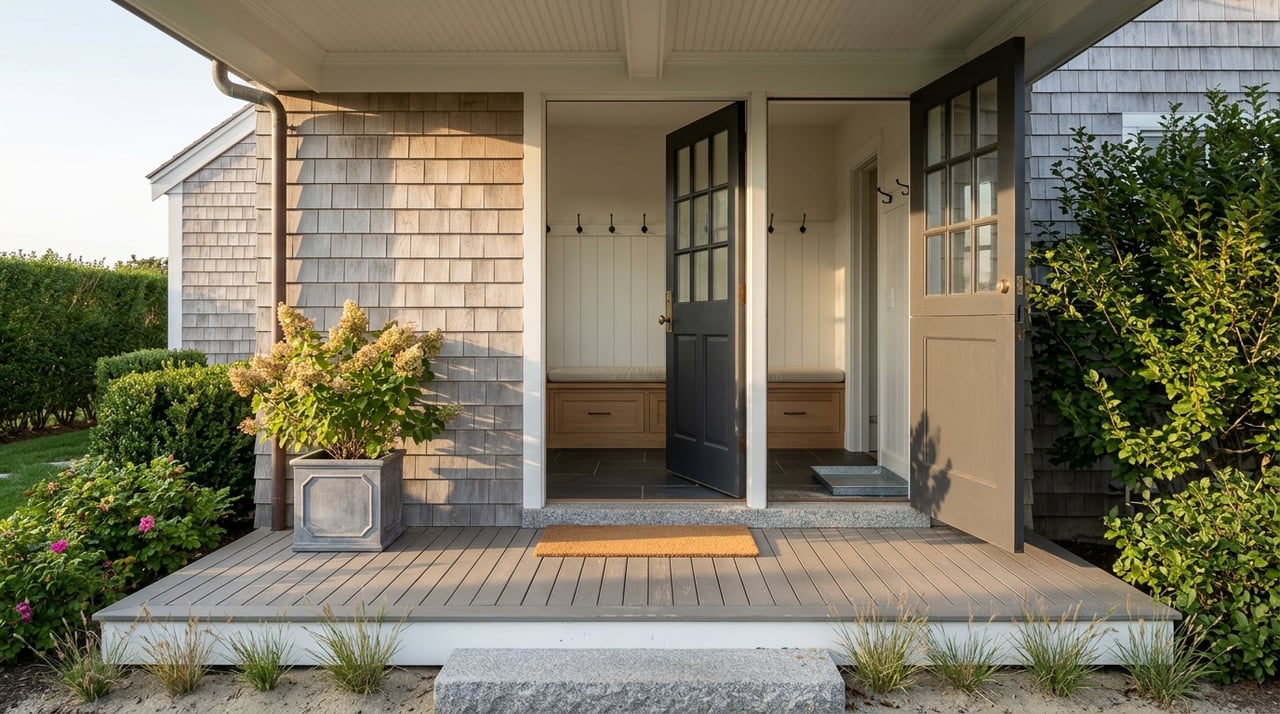
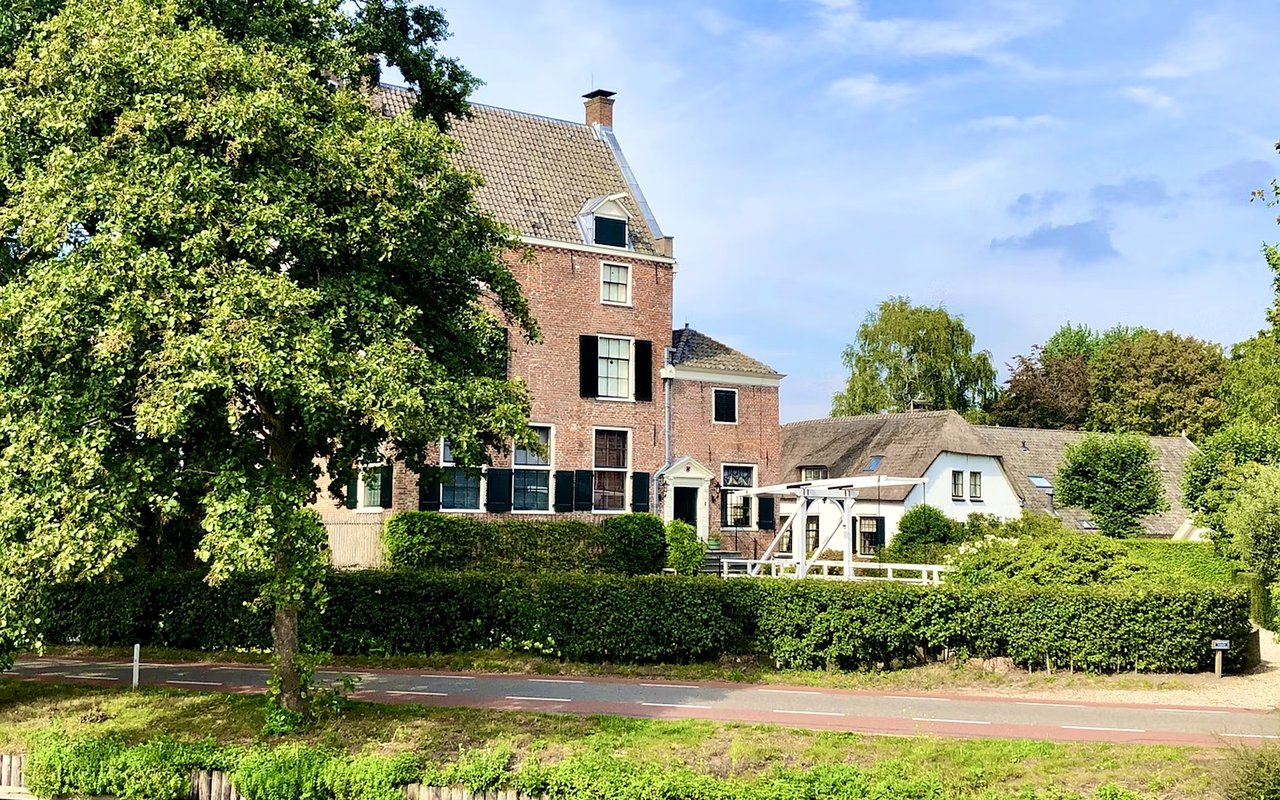
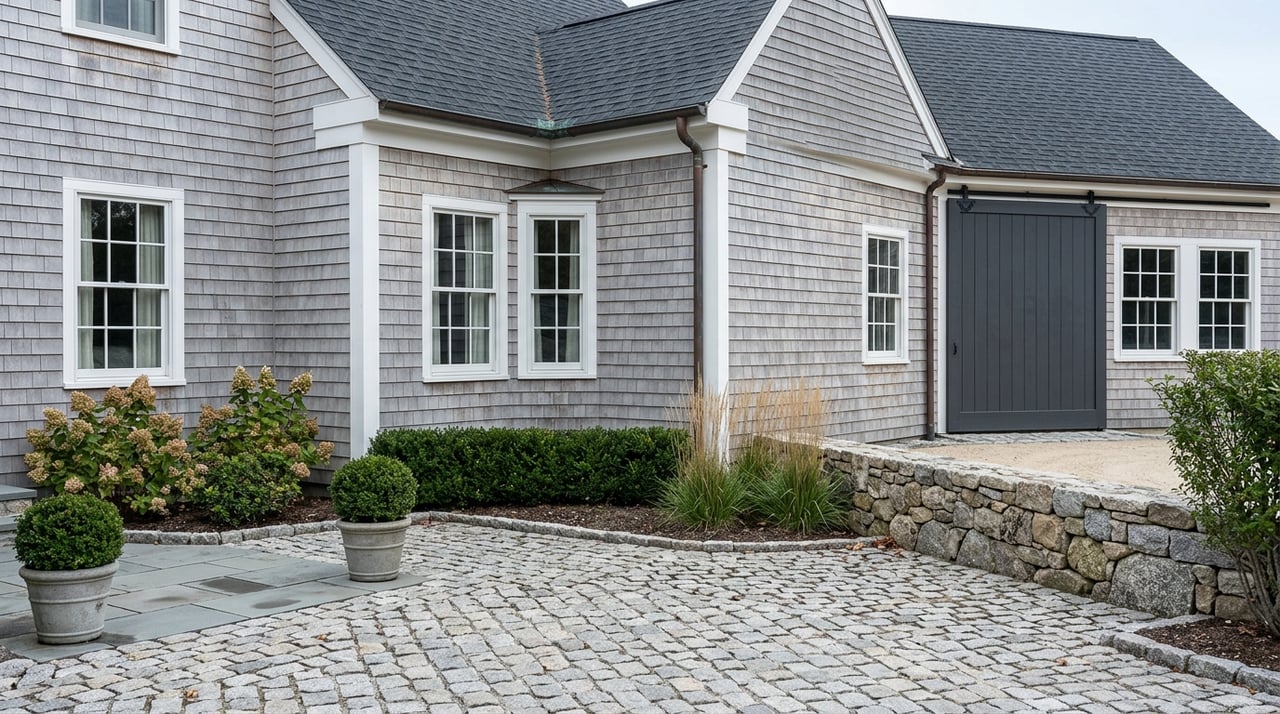
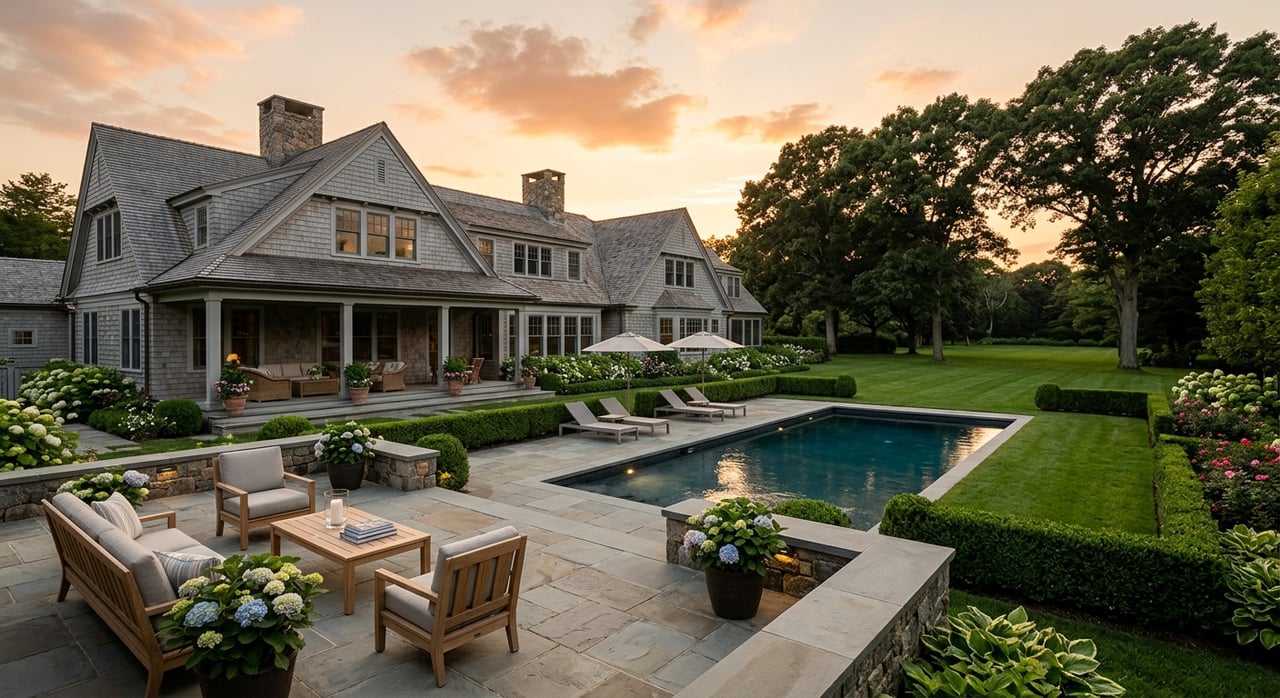
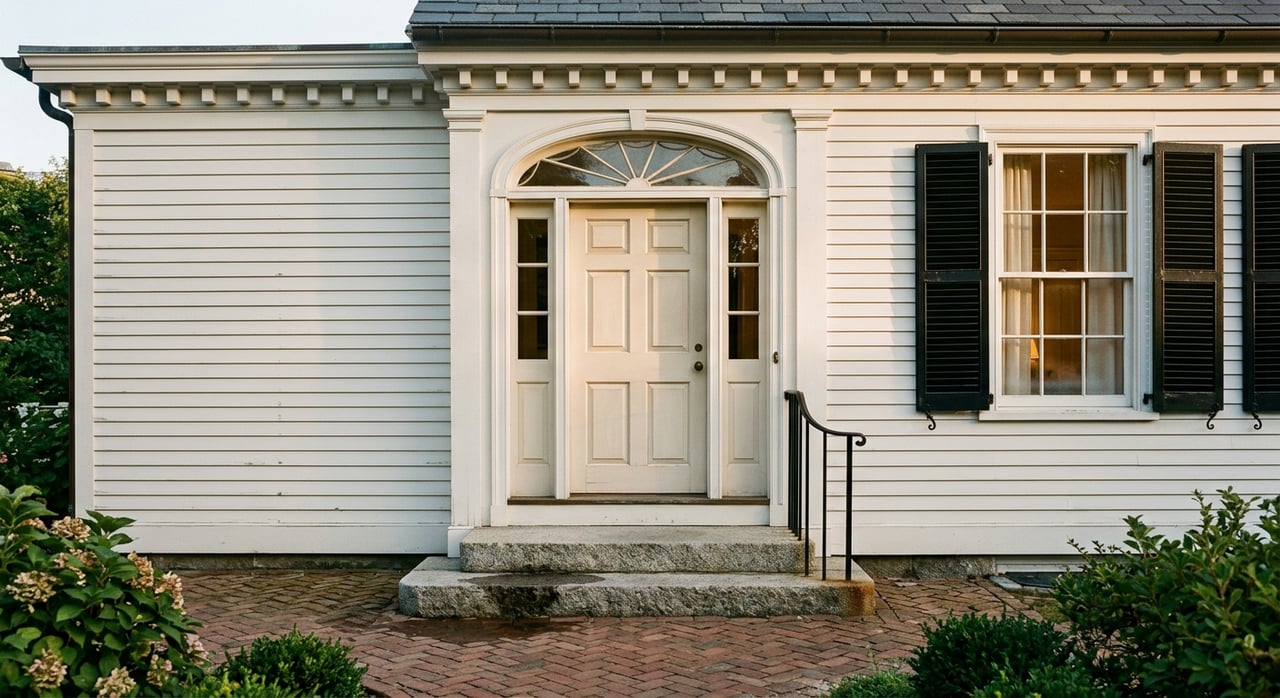
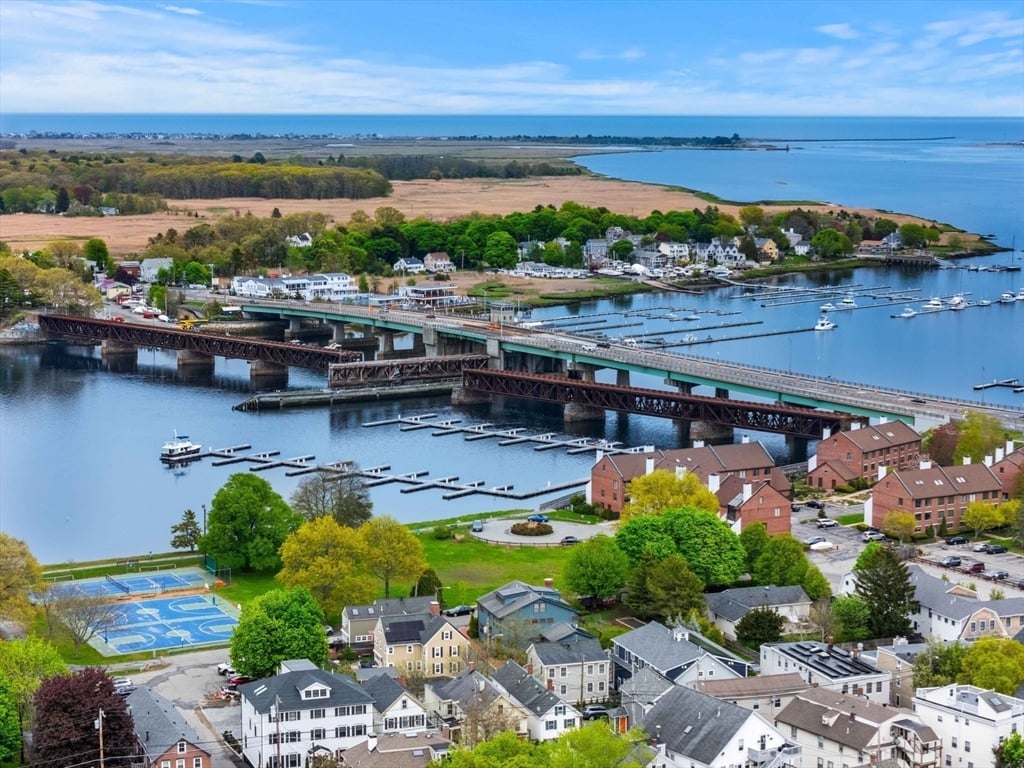
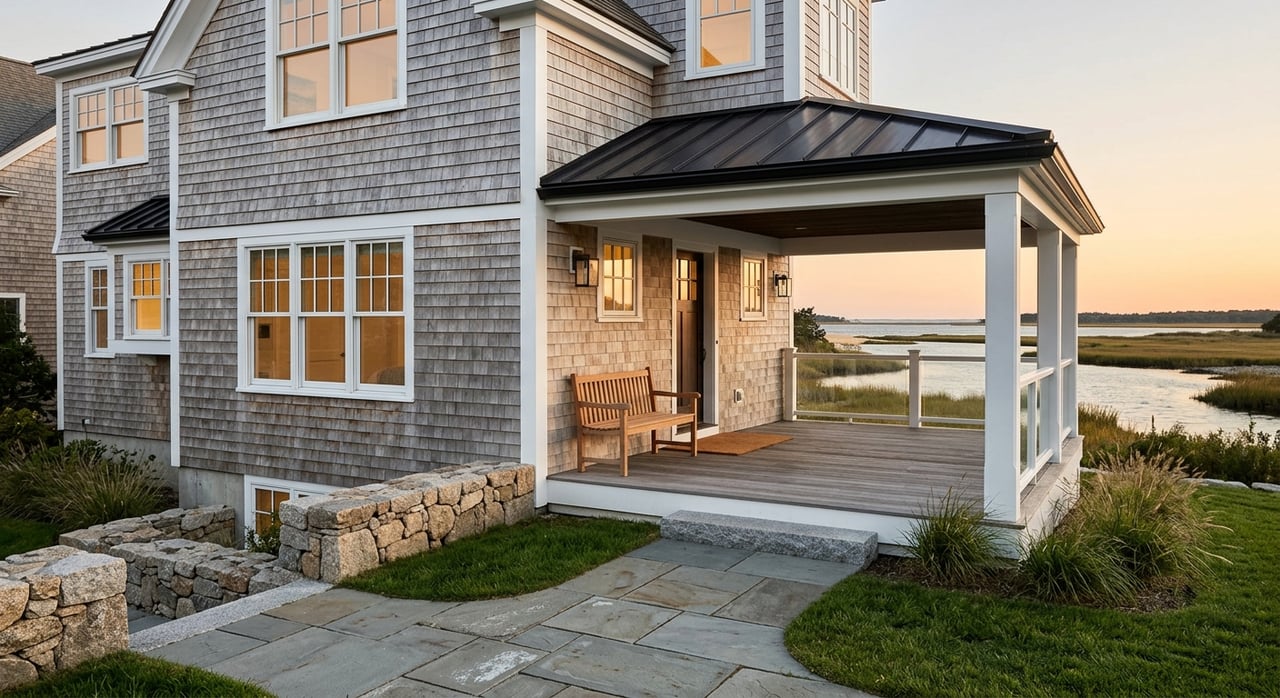
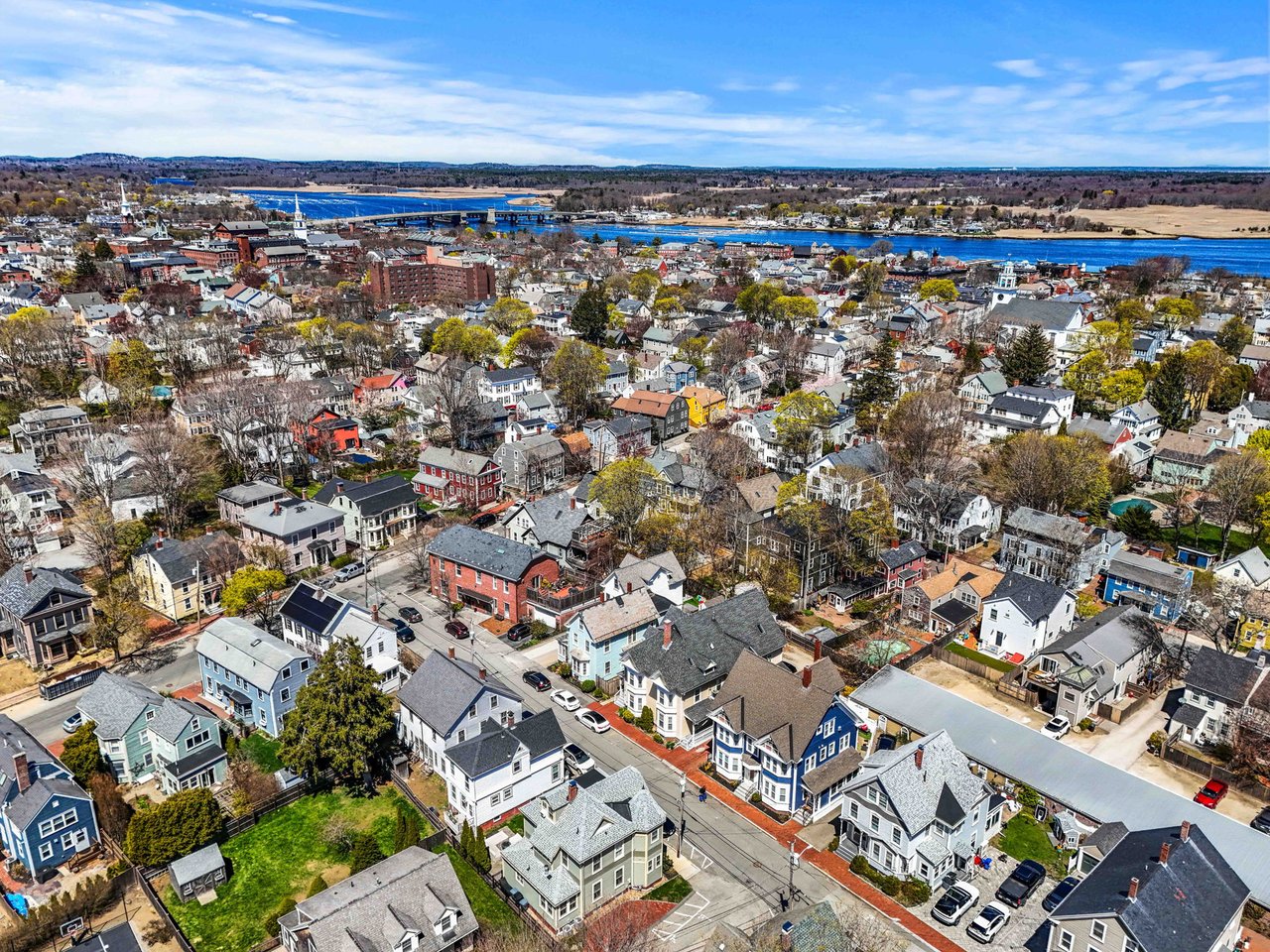
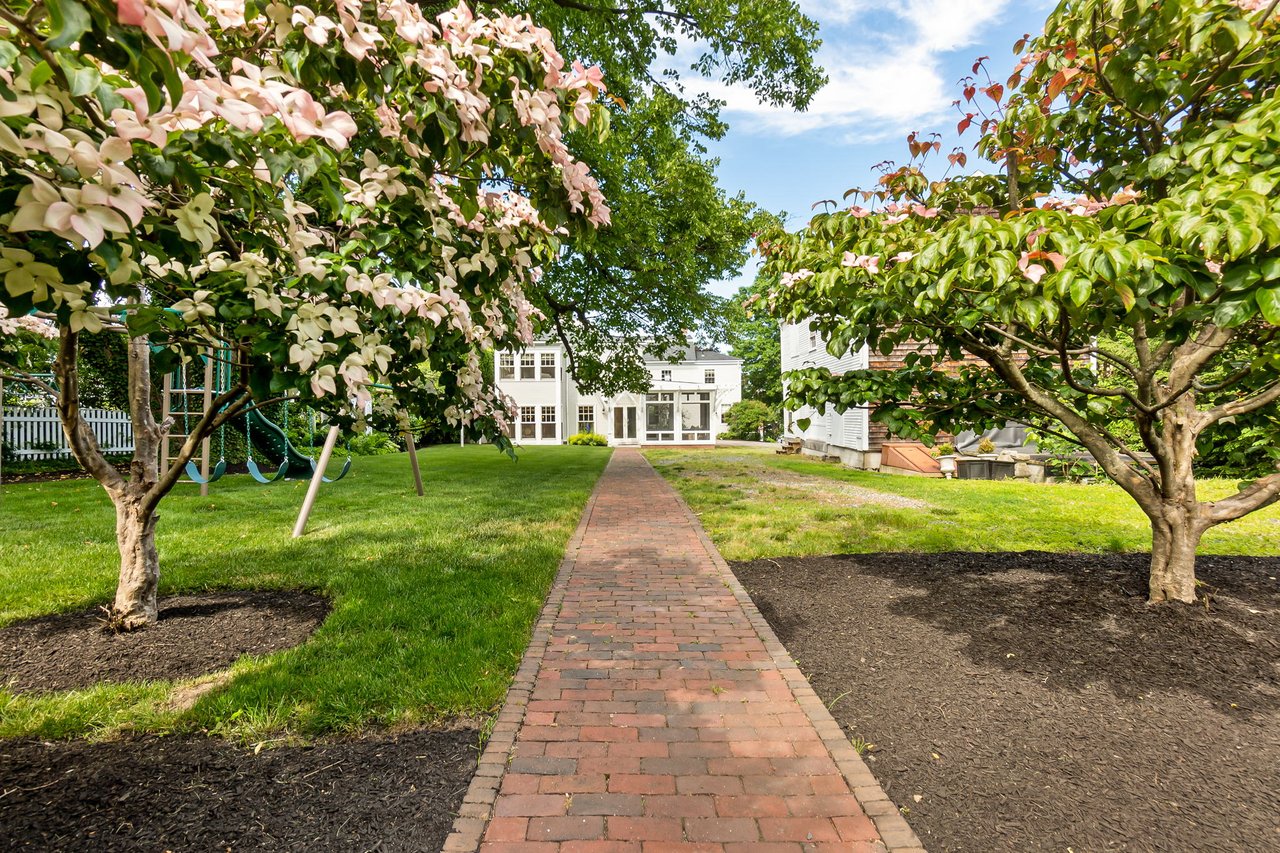
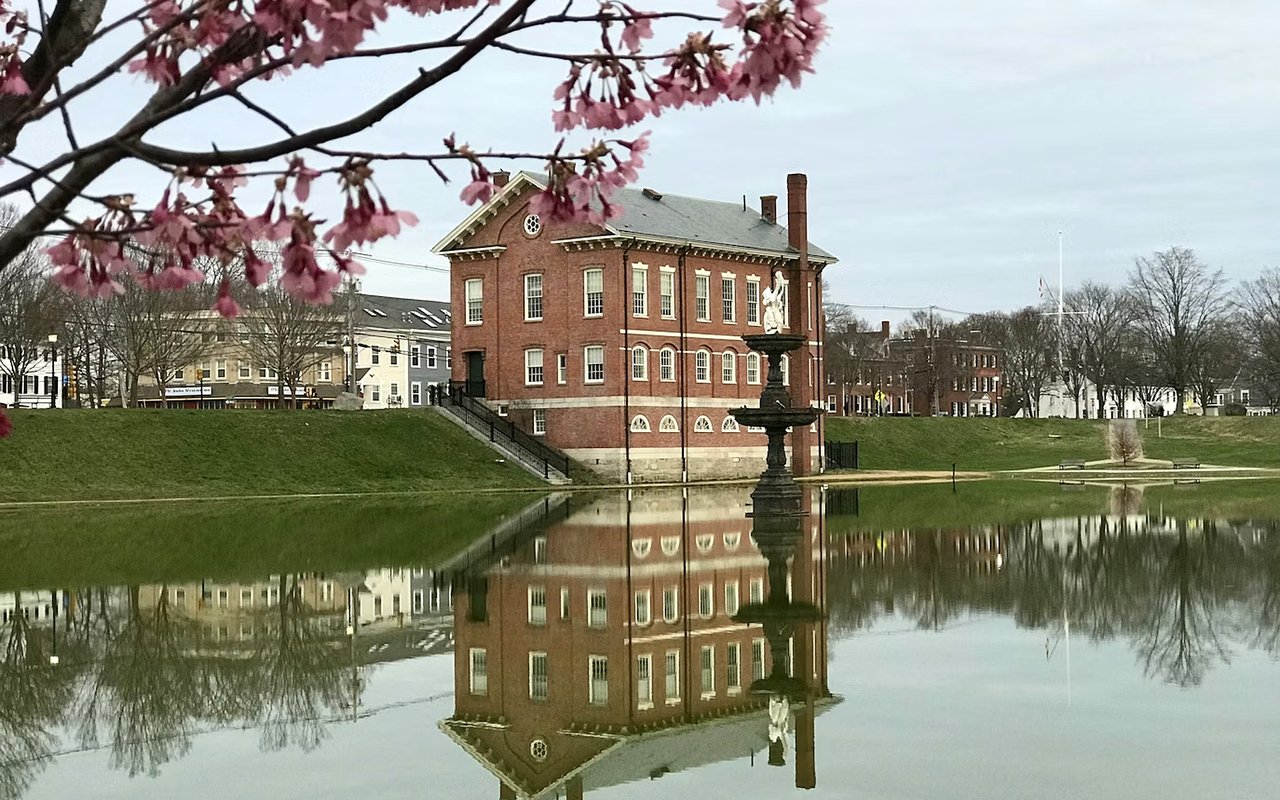
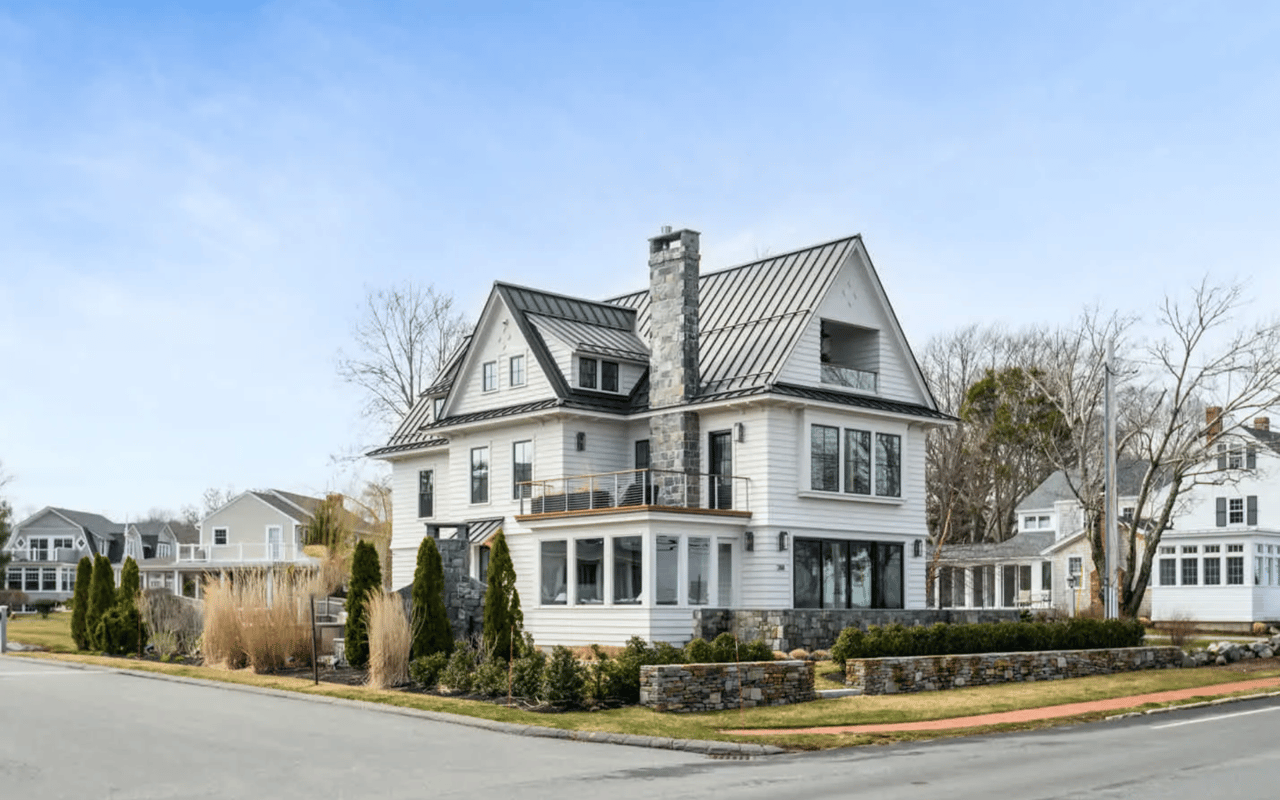
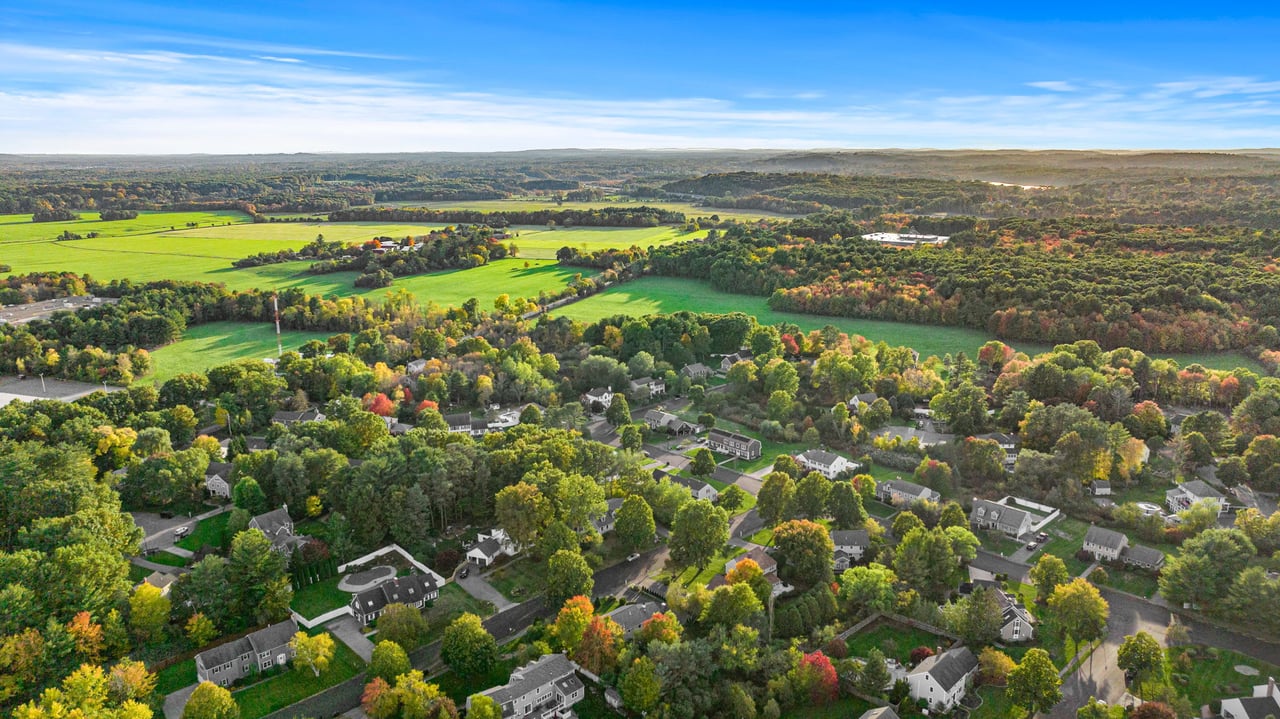
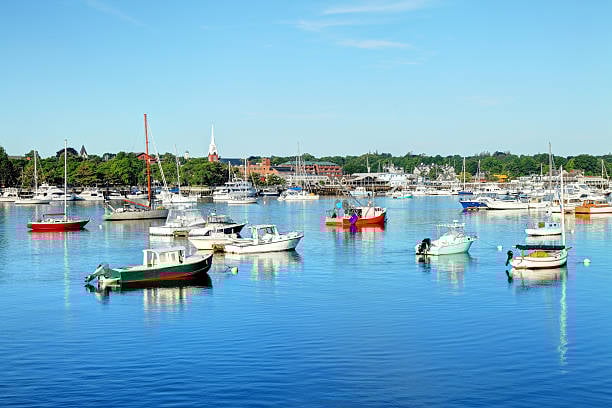
Newburyport is a coastal city at the mouth of the Merrimack River in Essex County, Massachusetts, approximately 35 miles north of Boston. This picturesque seaport community of roughly 18,000 residents combines historic New England charm with sophisticated urban amenities. The city exudes a maritime elegance—red-brick Federal-style buildings line downtown streets, wooden sailboats bob in the harbor, and salt air mingles with the aroma of waterfront restaurants. The vibe is upscale yet unpretentious, attracting artists, professionals, retirees, and families who value walkability, architectural preservation, and coastal living. Downtown's compact footprint centers on State Street and Market Square, while residential neighborhoods fan out from this historic core, each with distinct character ranging from grand captain's houses to cozy seaside cottages.
History
Newburyport's history is inseparable from America's maritime heritage. Settled in 1635 and incorporated as a city in 1851, it thrived as one of New England's major shipbuilding centers and busiest seaports during the 18th and early 19th centuries. Clipper ships built in Newburyport's yards sailed worldwide, and wealthy sea captains and merchants constructed the Federal and Georgian mansions that define the city's architectural character today. The merchant elite of High Street—dubbed the "High Street Mile"—included some of America's wealthiest families. Economic decline followed the Embargo Act of 1807 and the shift to steam-powered vessels, transforming Newburyport into a manufacturing center producing textiles, shoes, and silver goods.
By the mid-20th century, downtown had deteriorated significantly. The 1970s brought a remarkable urban renewal movement that preserved rather than demolished historic structures. This grassroots effort, led by preservation-minded residents, transformed Newburyport into a model of adaptive reuse and historic conservation. Today's vibrant downtown, thriving boutiques, and restored homes are testament to this foresight. The city earned National Historic District designation, protecting its architectural treasures while allowing sensitive modernization.
Location
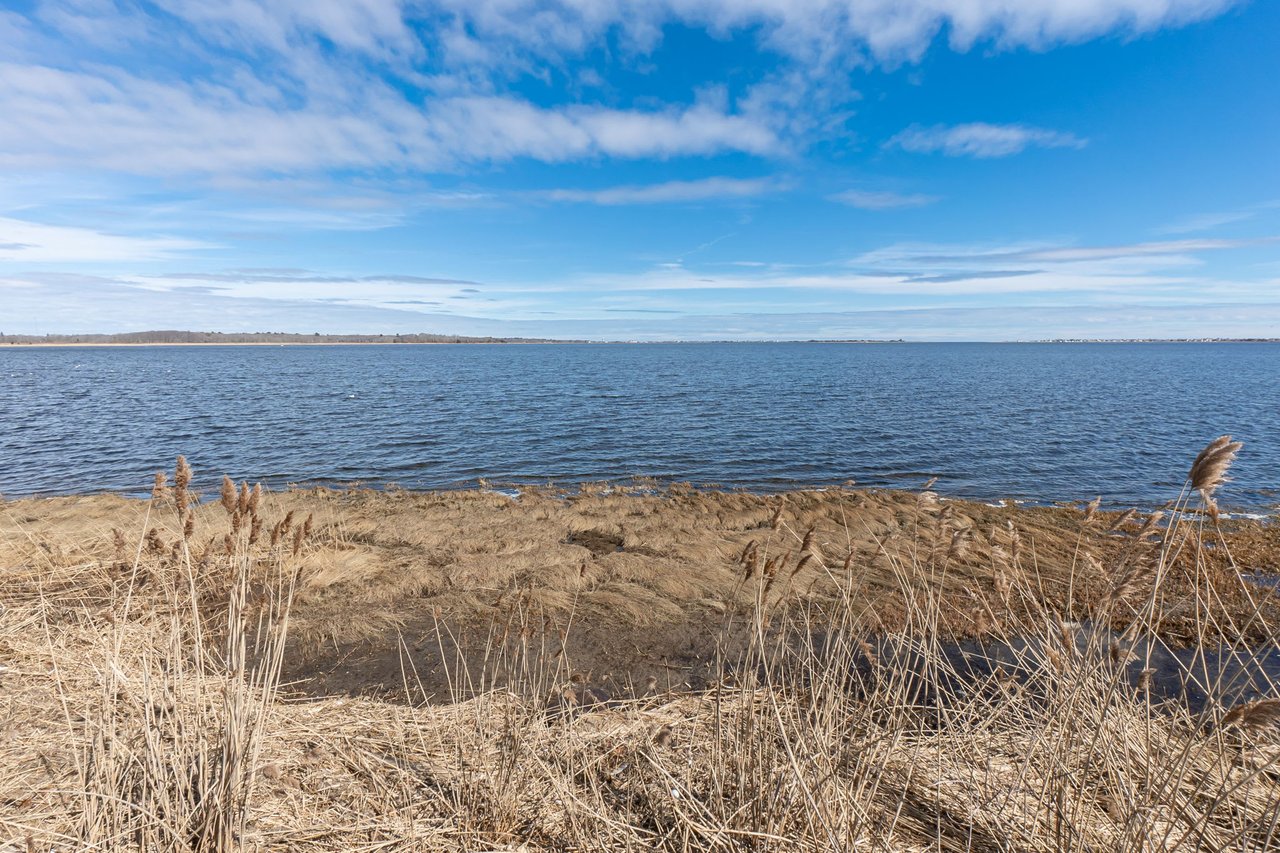
Newburyport occupies Massachusetts' northeastern corner where the Merrimack River meets the Atlantic Ocean, bordered by Newbury to the south, West Newbury to the west, Amesbury to the north, and Salisbury across the river. The city encompasses approximately 8.4 square miles, including Plum Island's northern tip—a barrier island offering 3.8 miles of protected beach within the Parker River National Wildlife Refuge.
Downtown sits along the Merrimack's southern bank, while residential neighborhoods extend inland and southward toward Newbury. The city's peninsular geography creates a strong sense of place—you're either "in town" (downtown), "on the island" (Plum Island), or in one of several named neighborhoods including the South End, Joppa (the working waterfront), and areas near Atkinson Common or March's Hill.
Accessibility: Route 95 (exit 57) provides direct highway access, making Boston commutable in 45-60 minutes without traffic (90+ minutes during rush hour). The Newburyport/Rockport Line of the MBTA Commuter Rail runs from Boston's North Station with parking at the local station, offering a reliable alternative for Boston commuters. Logan International Airport is 45 miles south. The city is walkable and bikeable, with most downtown amenities accessible without a car, though vehicle ownership remains practical for grocery shopping and accessing beaches.

Housing Market Overview
As of late 2024/early 2025, Newburyport's housing market reflects strong demand and limited inventory, typical of desirable coastal New England communities. Median home prices hover around $750,000-$850,000, though this varies significantly by property type and location. Single-family homes in prime downtown locations or waterfront properties frequently exceed $1.2-$2 million, while condos range from $400,000-$900,000 depending on size, location, and water views.
The market remains competitive with low inventory levels—typically 2-3 months of supply—creating multiple-offer situations for well-priced properties. Days on market average 30-60 for desirable listings, though unique properties may linger longer. The market has moderated from the 2021-2022 frenzy but remains
seller-favorable, particularly for turnkey homes in walkable locations or with water access.
Seasonal patterns affect activity: spring through early fall sees peak activity as buyers seek to settle before school starts or enjoy summer proximity, while winter months slow considerably. COVID-19 permanently elevated Newburyport's appeal among remote workers seeking quality of life outside Boston, compressing the affordability gap with similar North Shore communities.
Rental market: Limited rental inventory keeps prices high. Two-bedroom apartments rent for $2,500-$3,500 monthly, while single-family homes command $3,500-$6,000+, depending on size and location. Student and seasonal rentals to nearby populations provide supplemental income opportunities for property owners.
Types of Homes Available
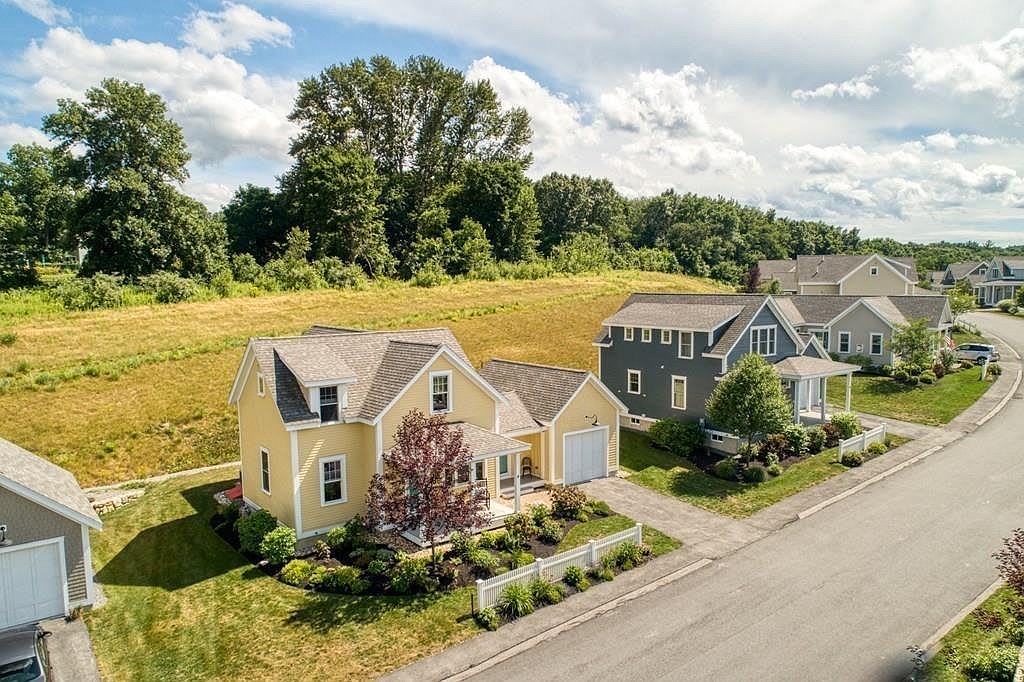
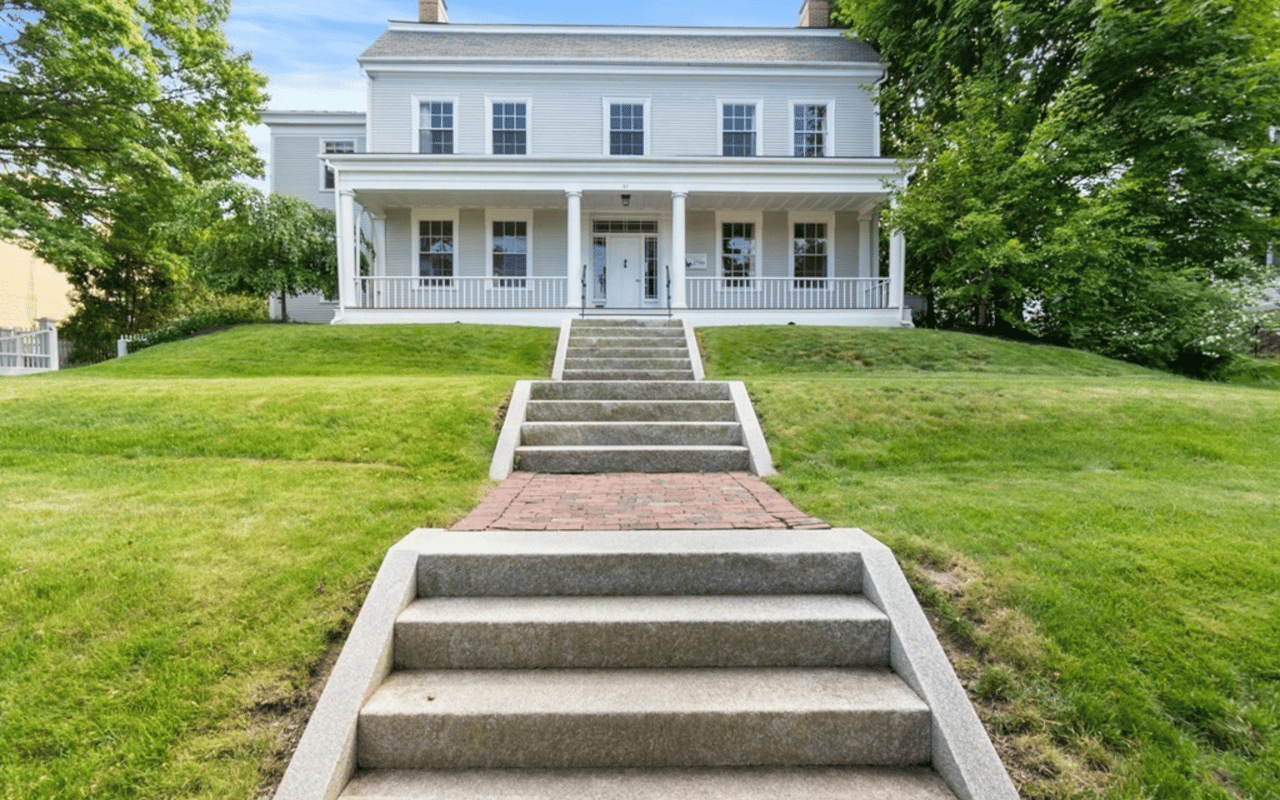
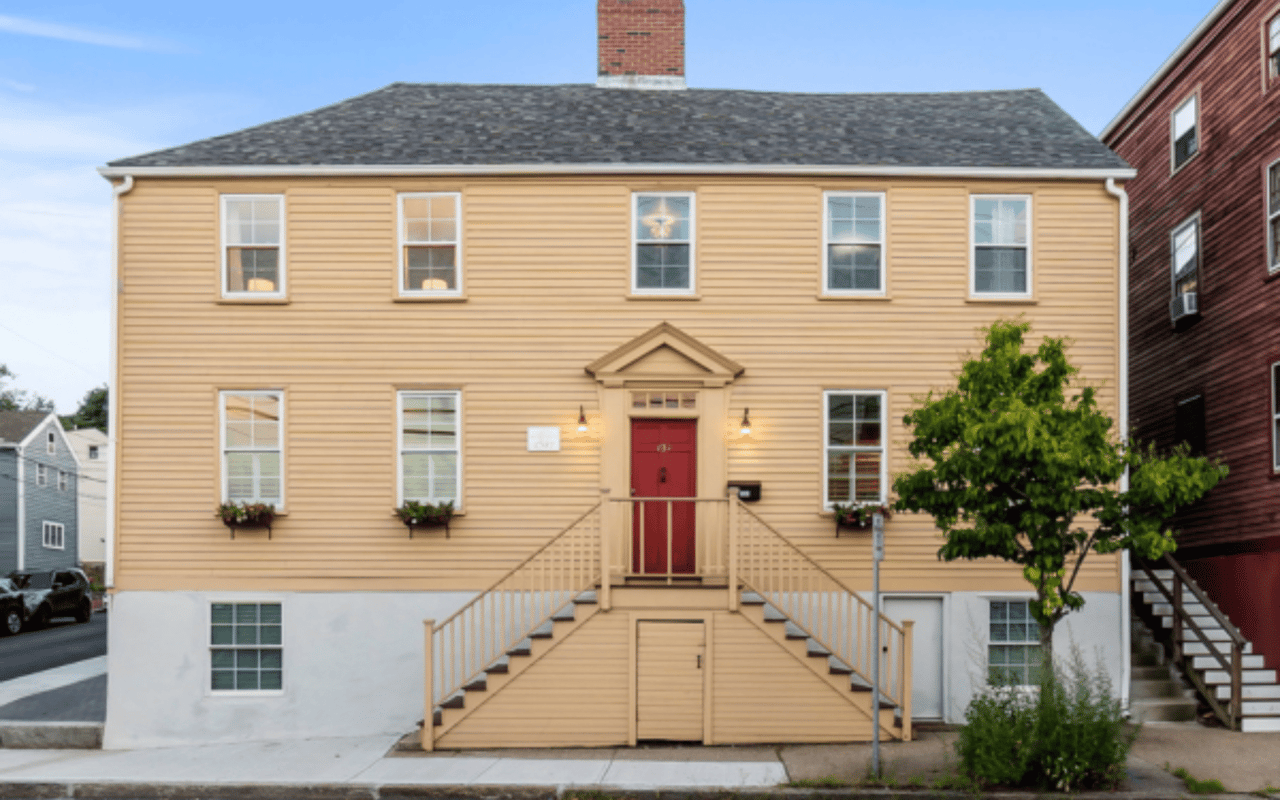
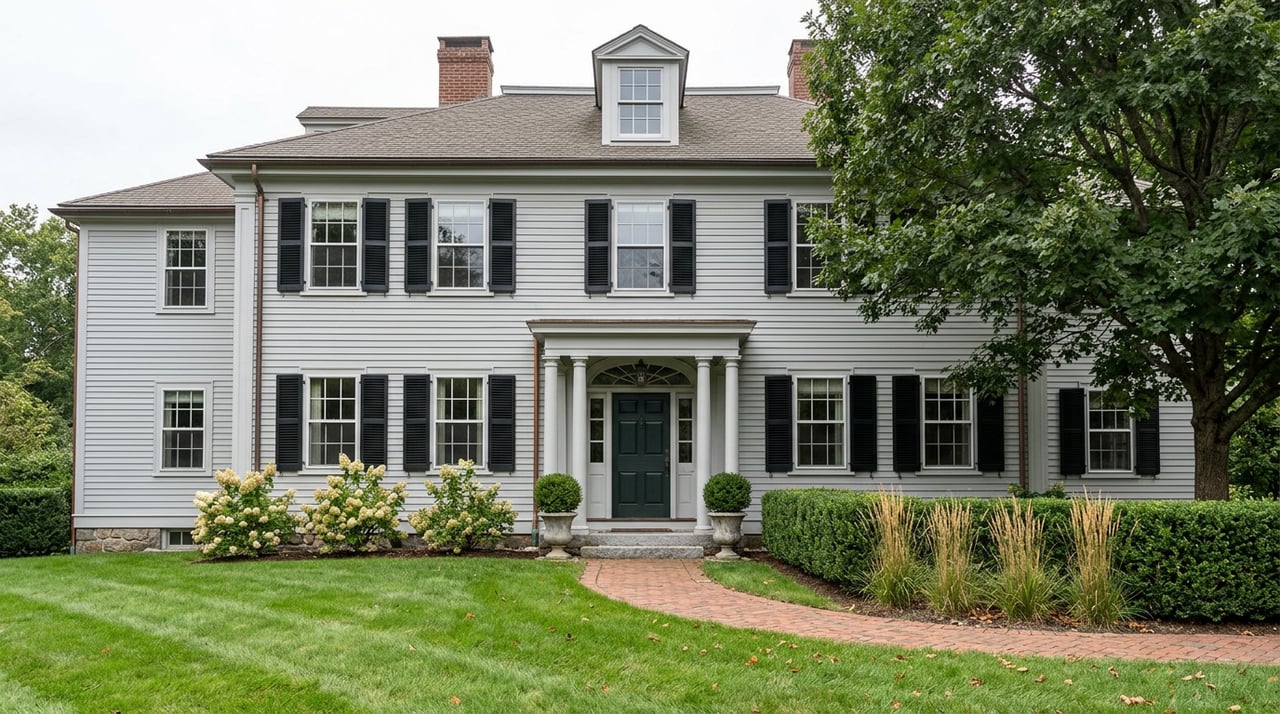
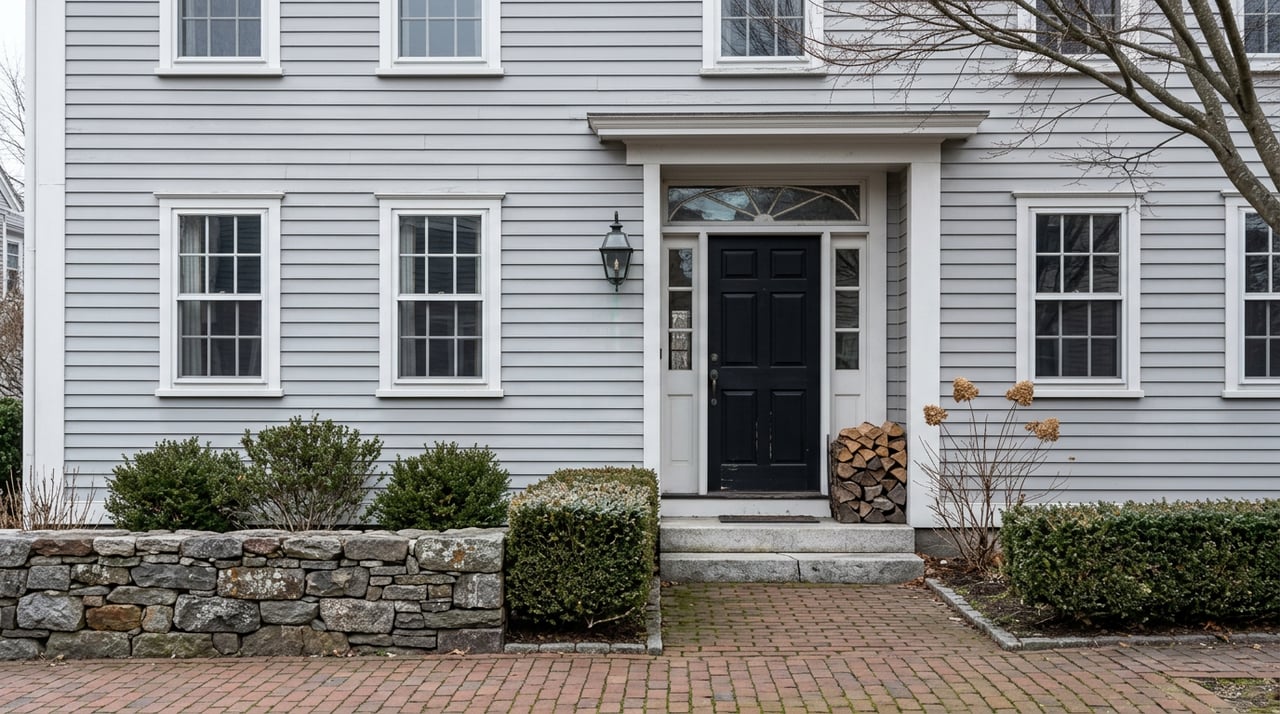
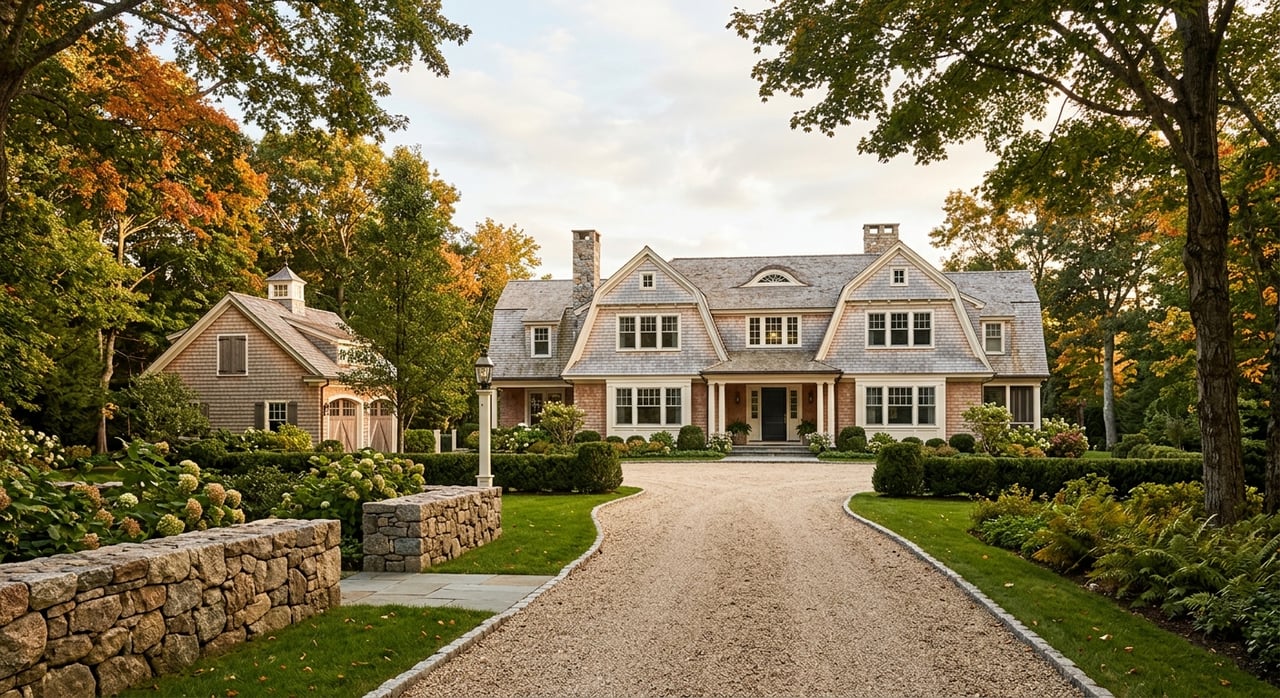
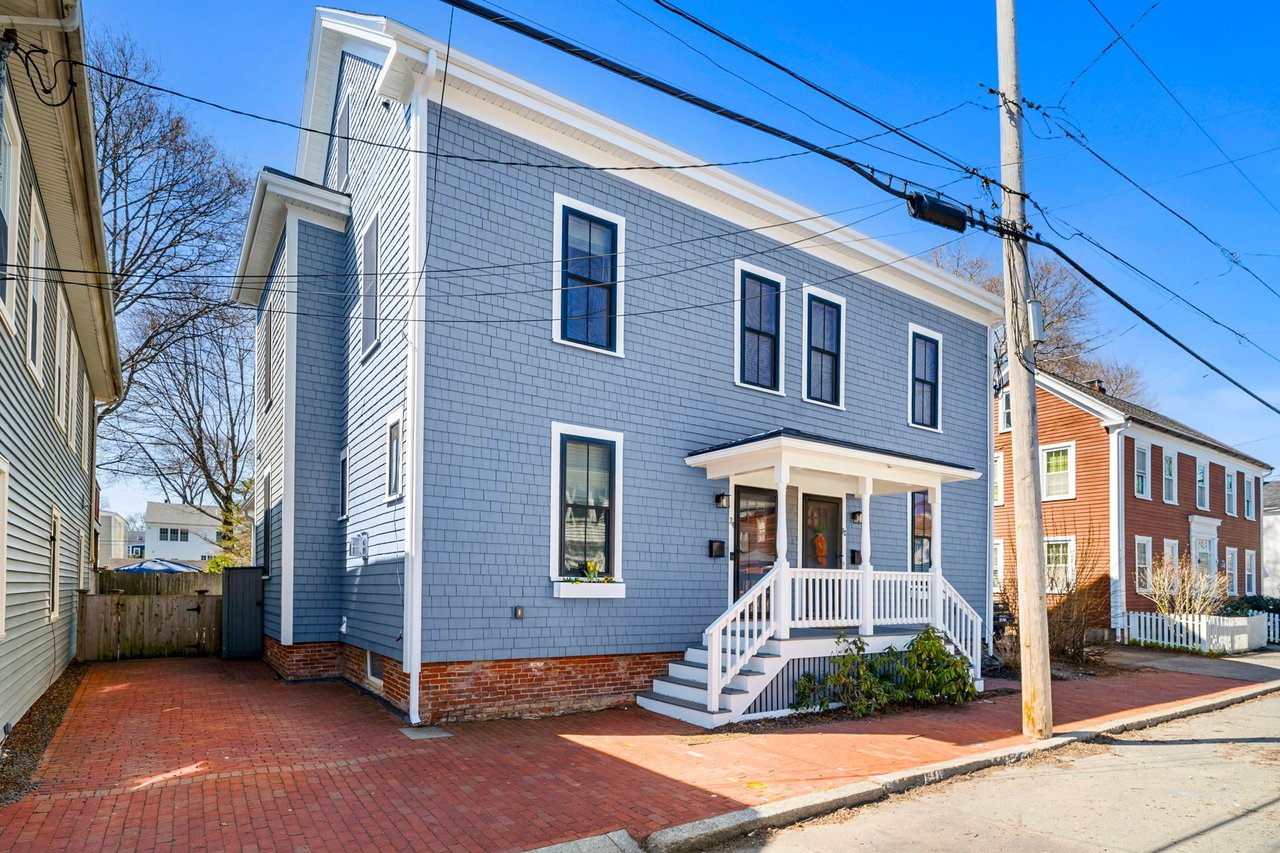
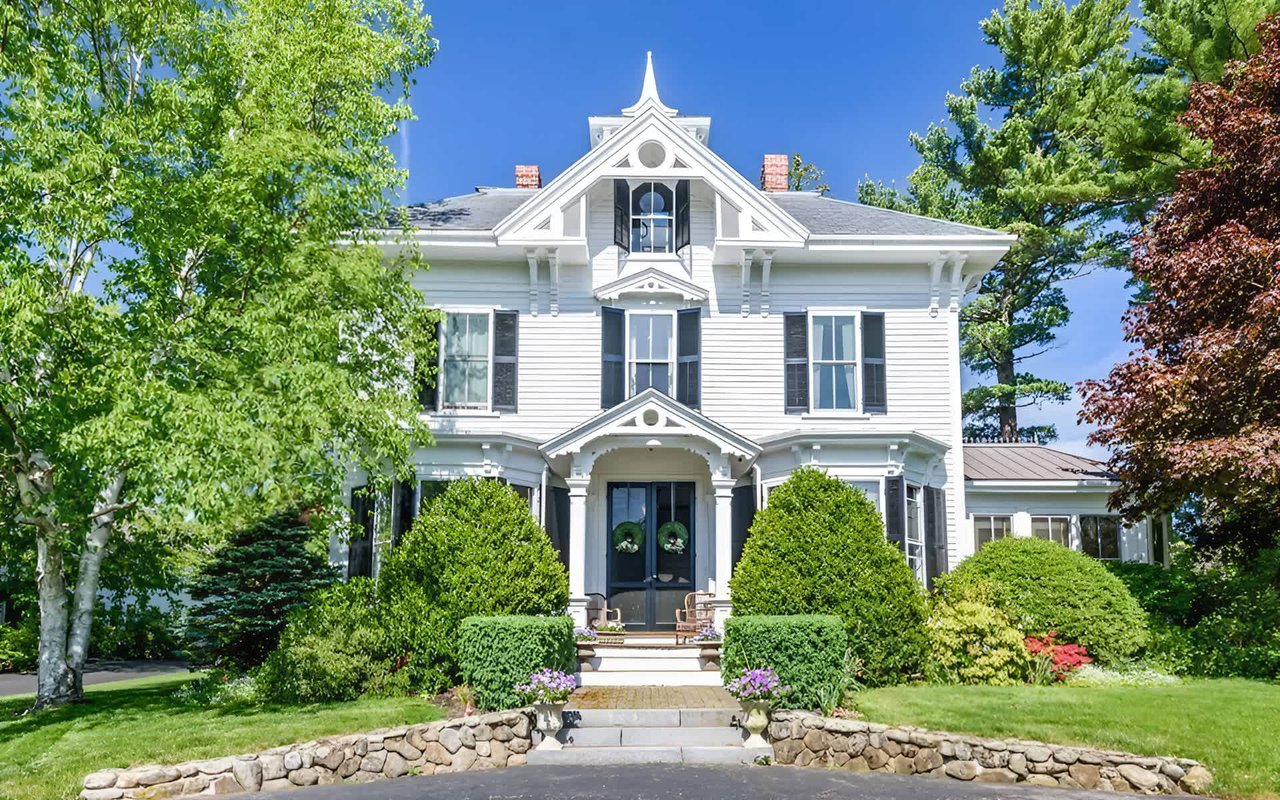
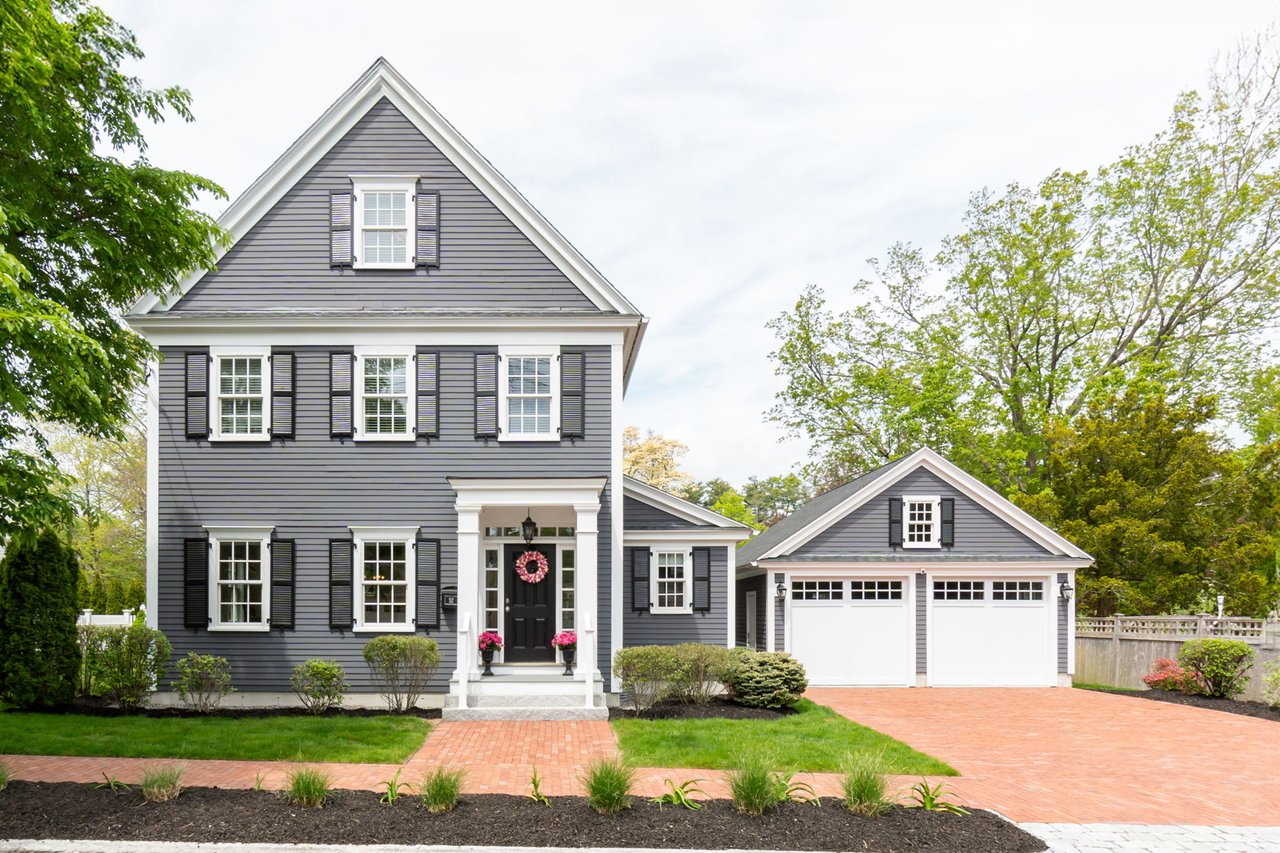
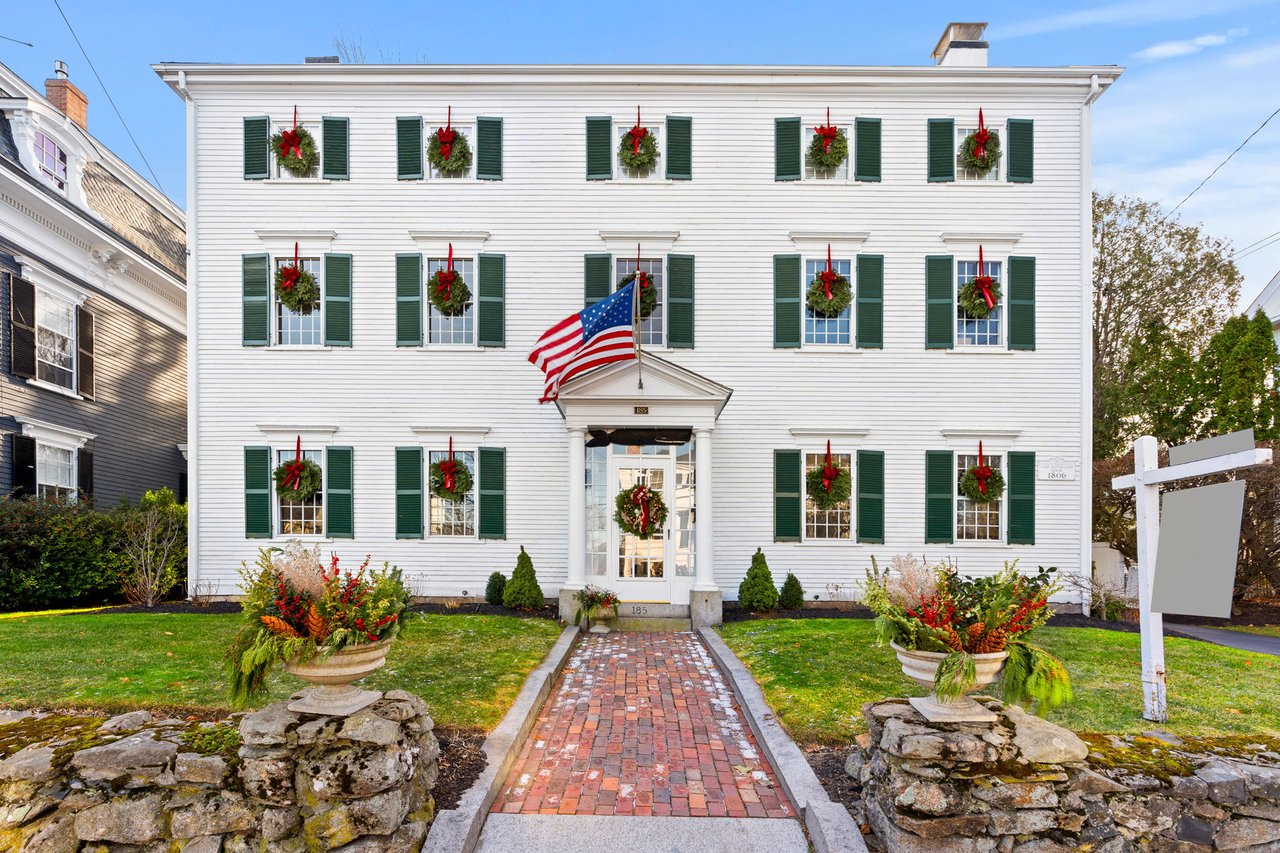
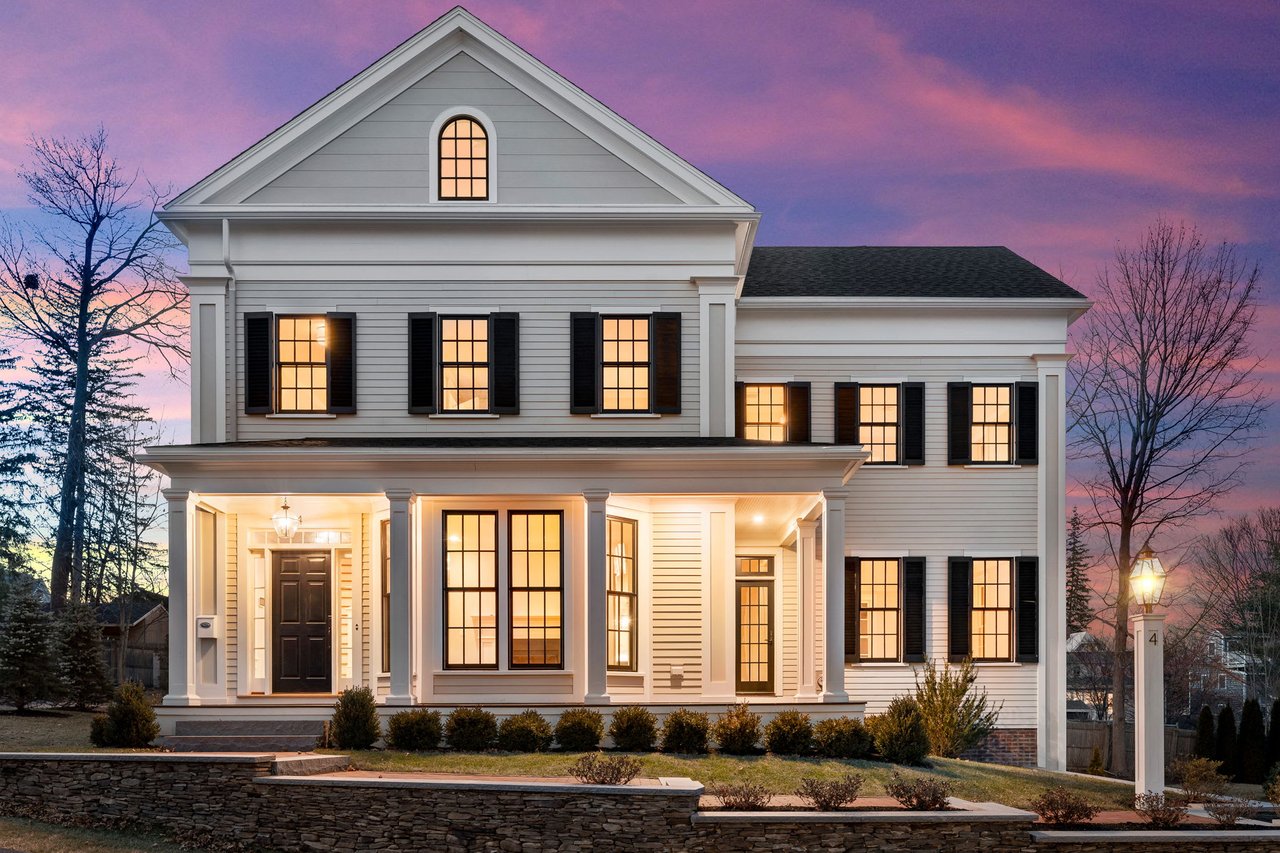
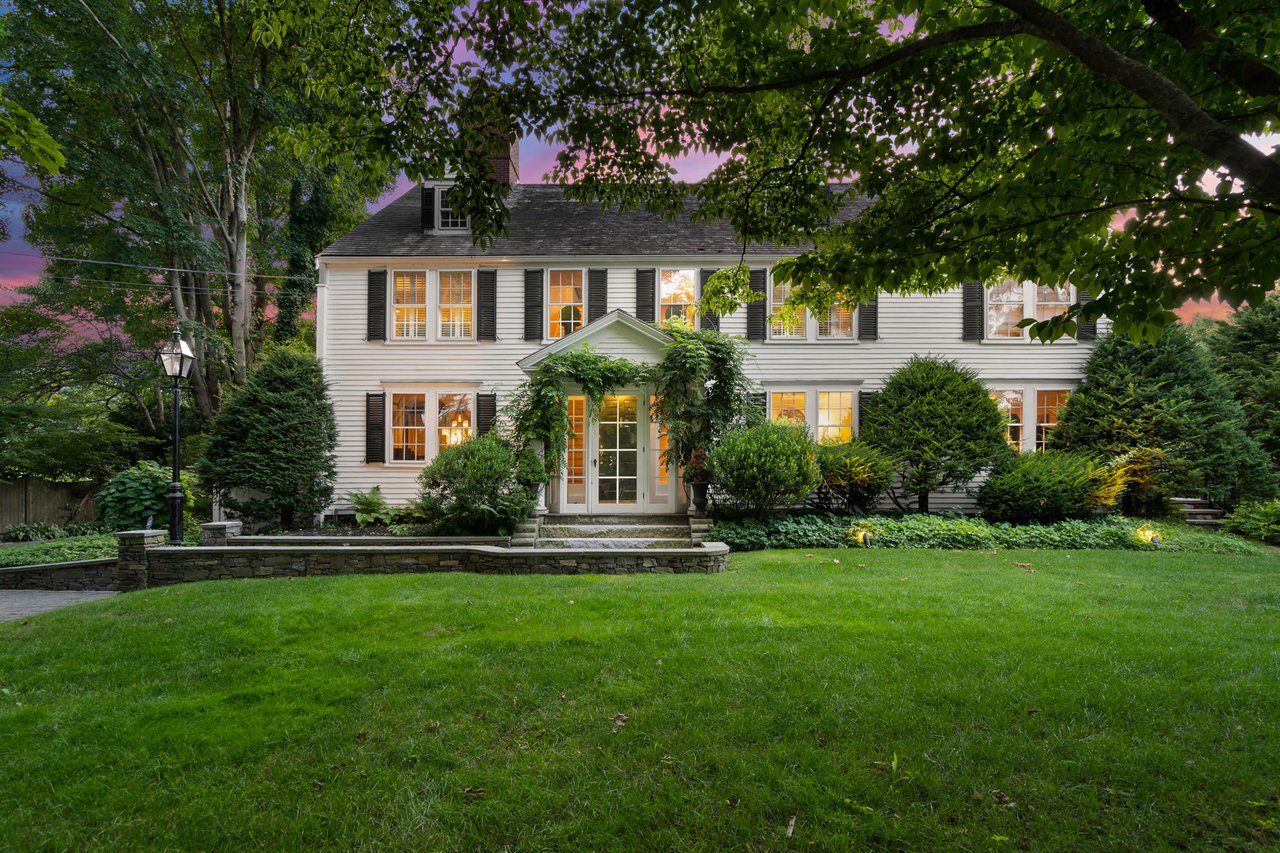
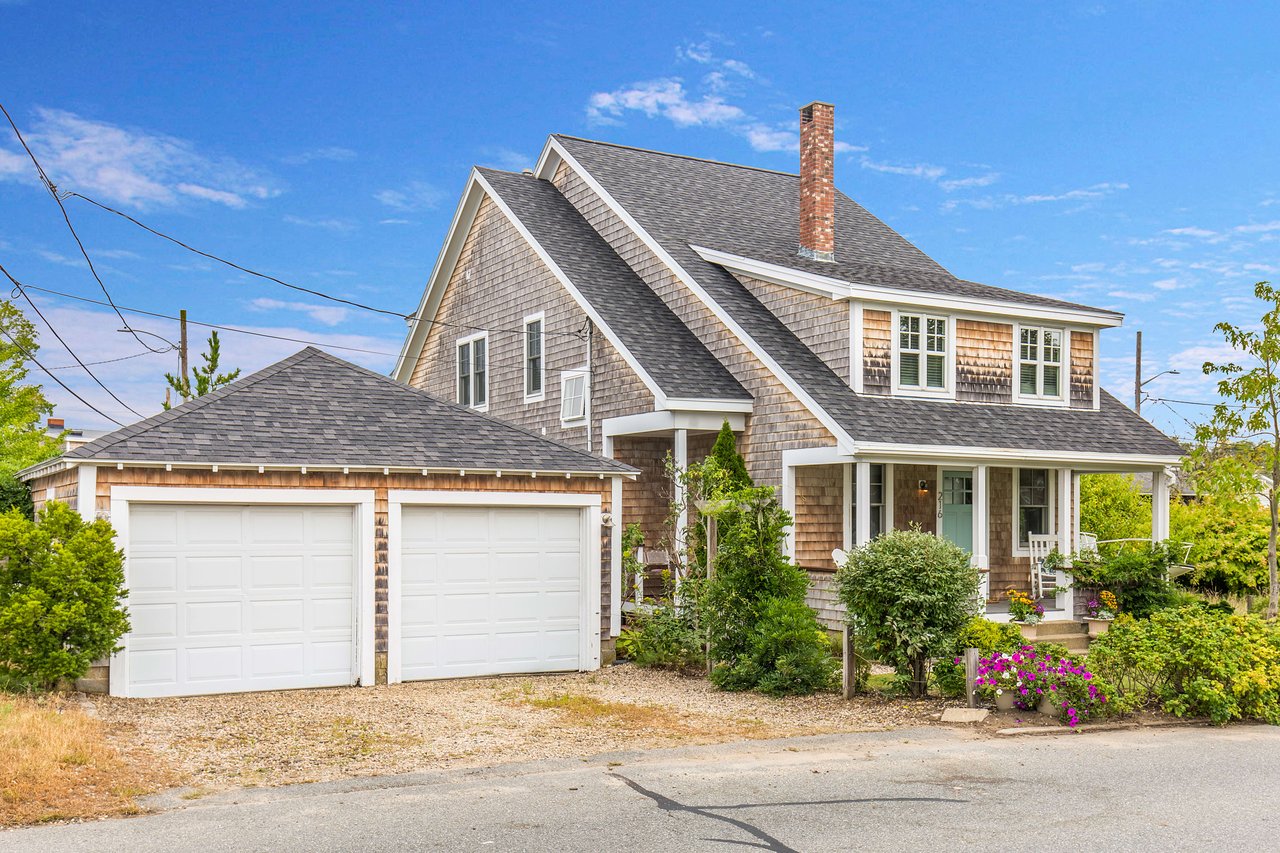
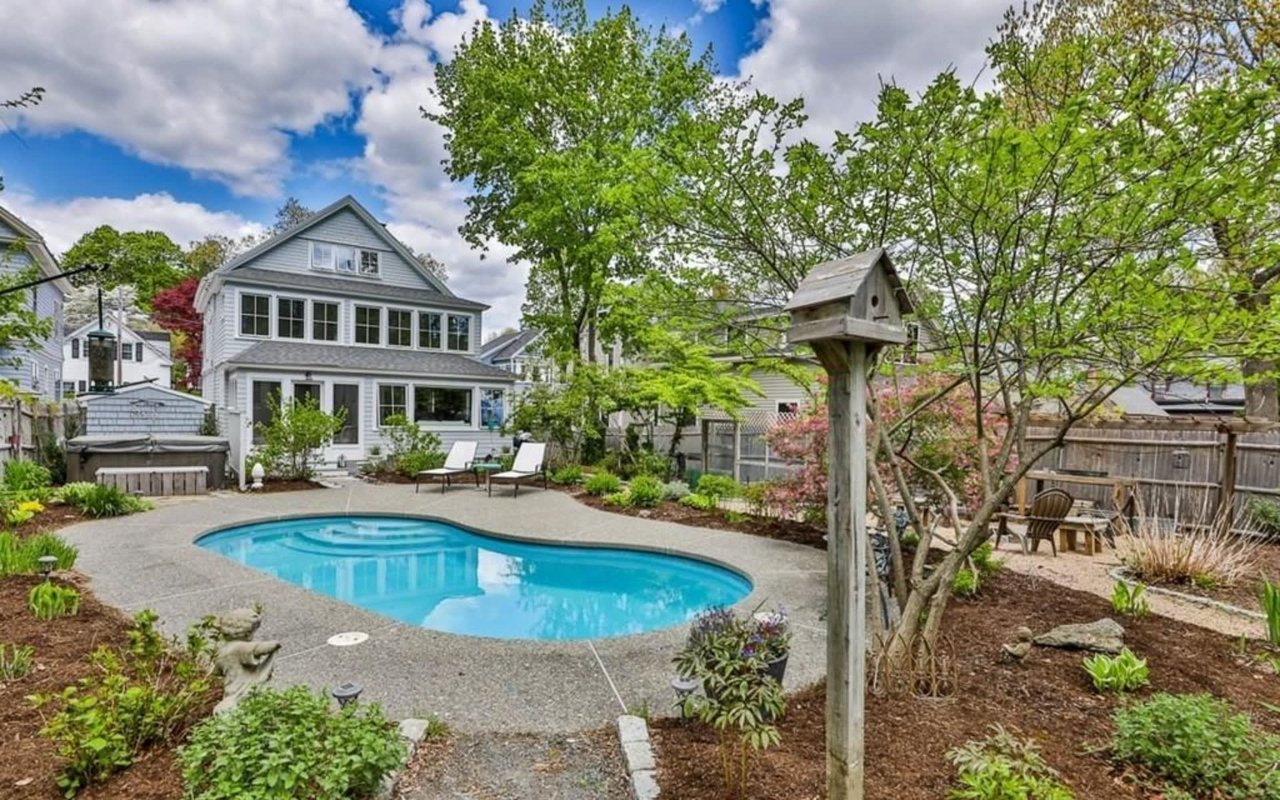
Single-Family Historic Homes: Newburyport's signature offerings are Federal, Colonial, and Victorian-era homes, many dating to the 18th and early 19th centuries. These feature brick or clapboard exteriors, multiple fireplaces, wide-plank floors, detailed millwork, and formal room layouts. High Street showcases the grandest examples—three-story mansions with period details, carriage houses, and established gardens. Maintenance requirements are significant; buyers should budget for ongoing preservation, updating mechanicals, and addressing settling or moisture issues common in 200+ year-old structures.
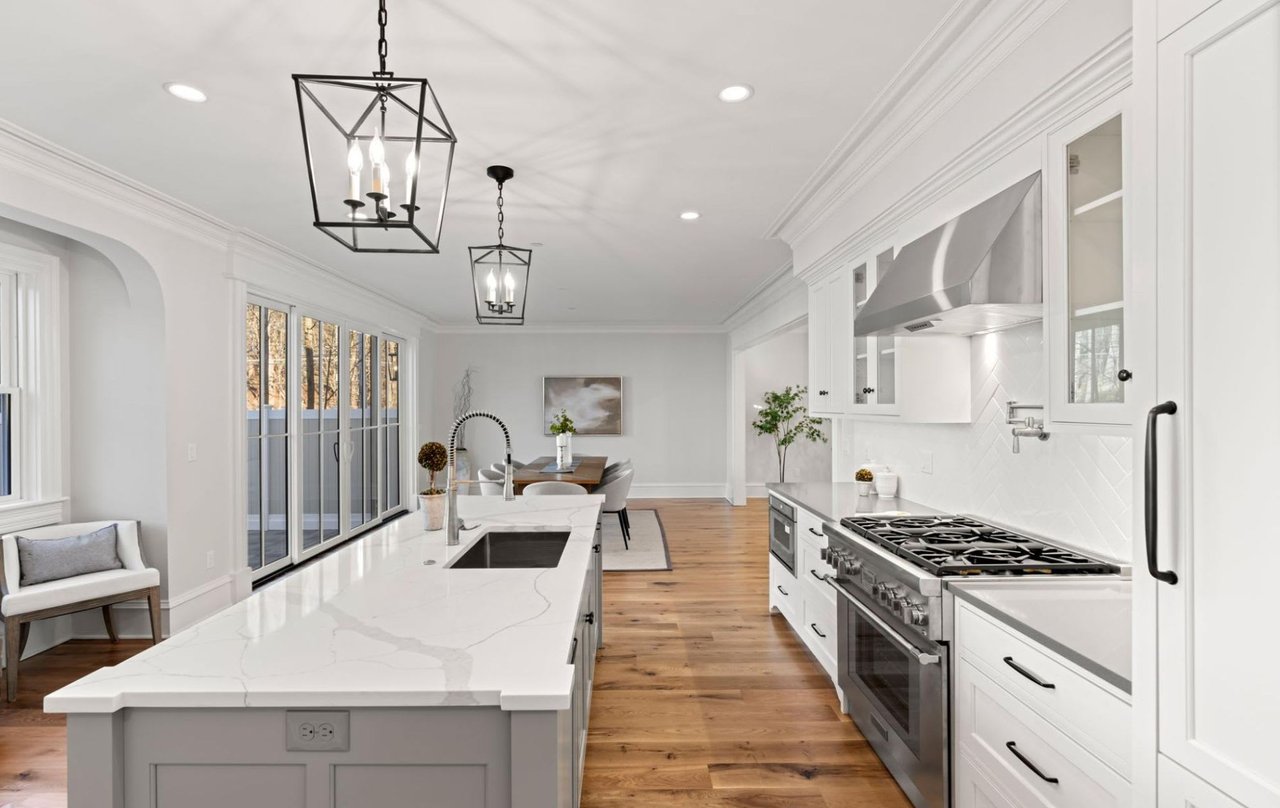
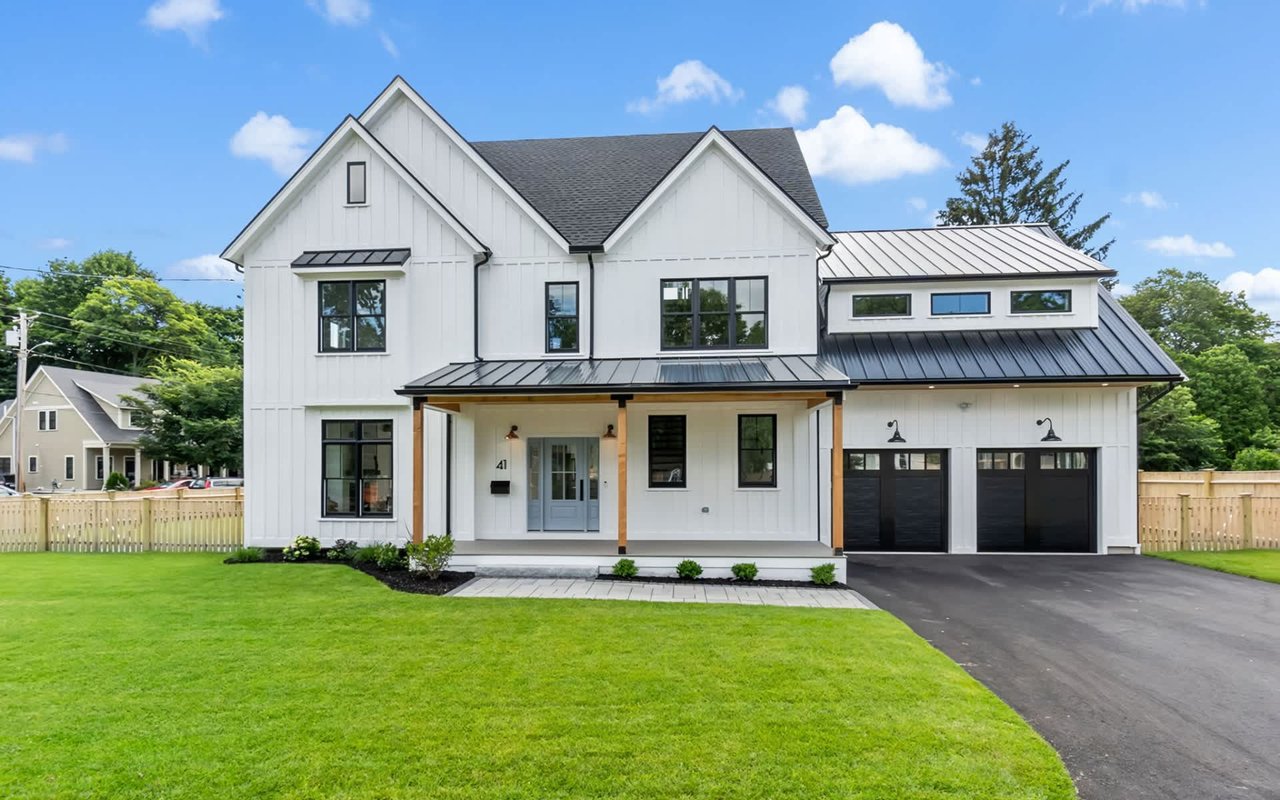
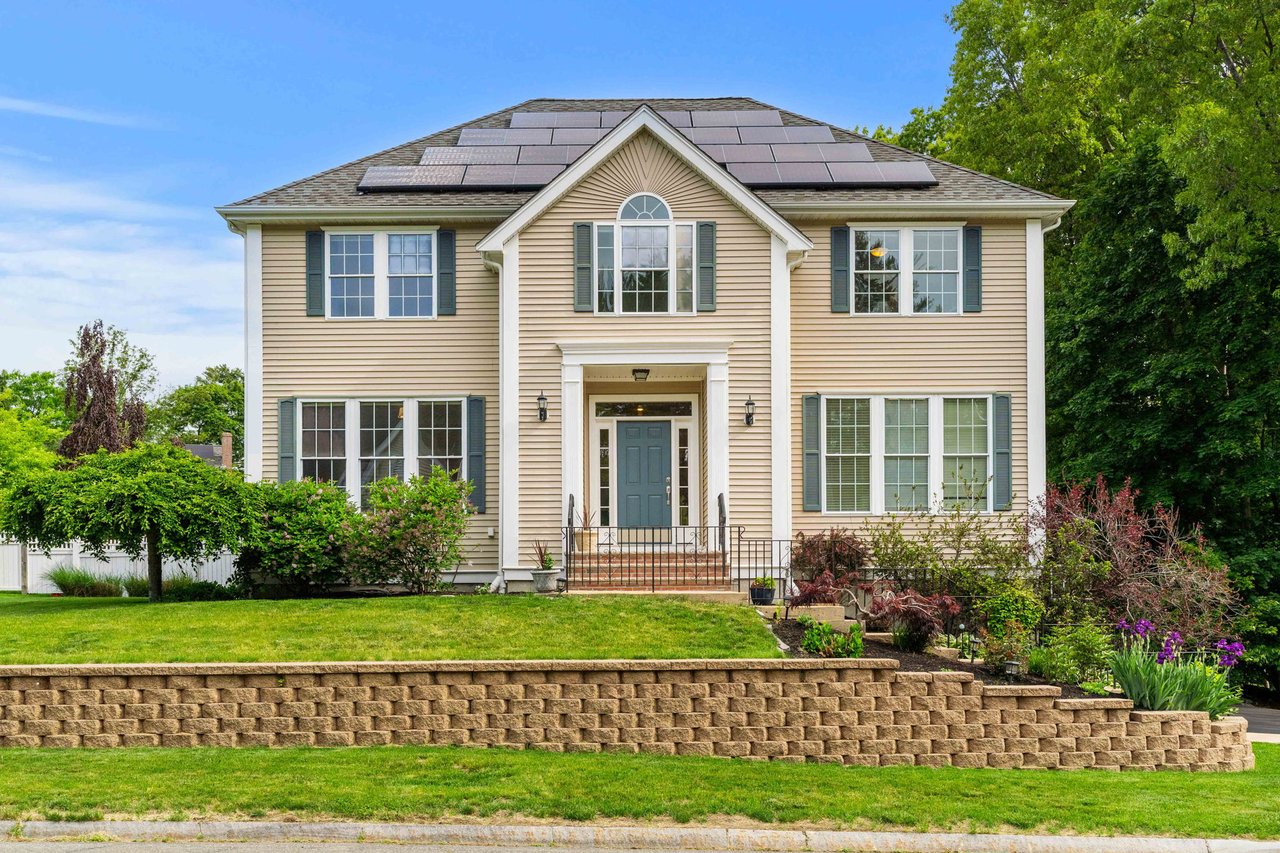
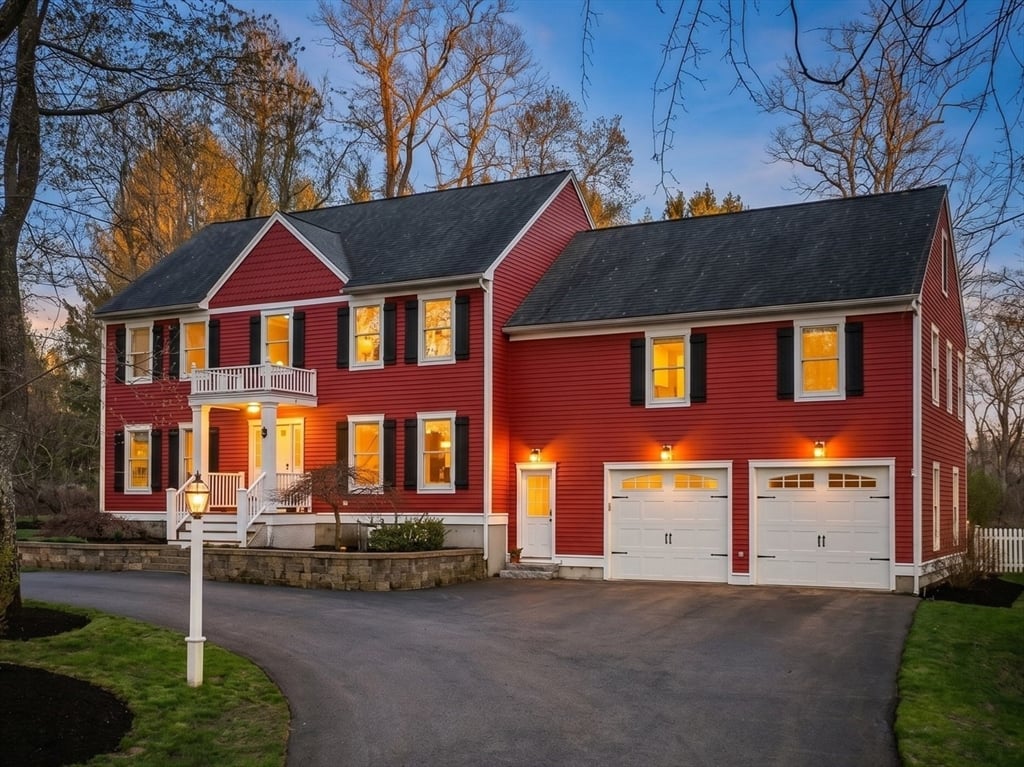
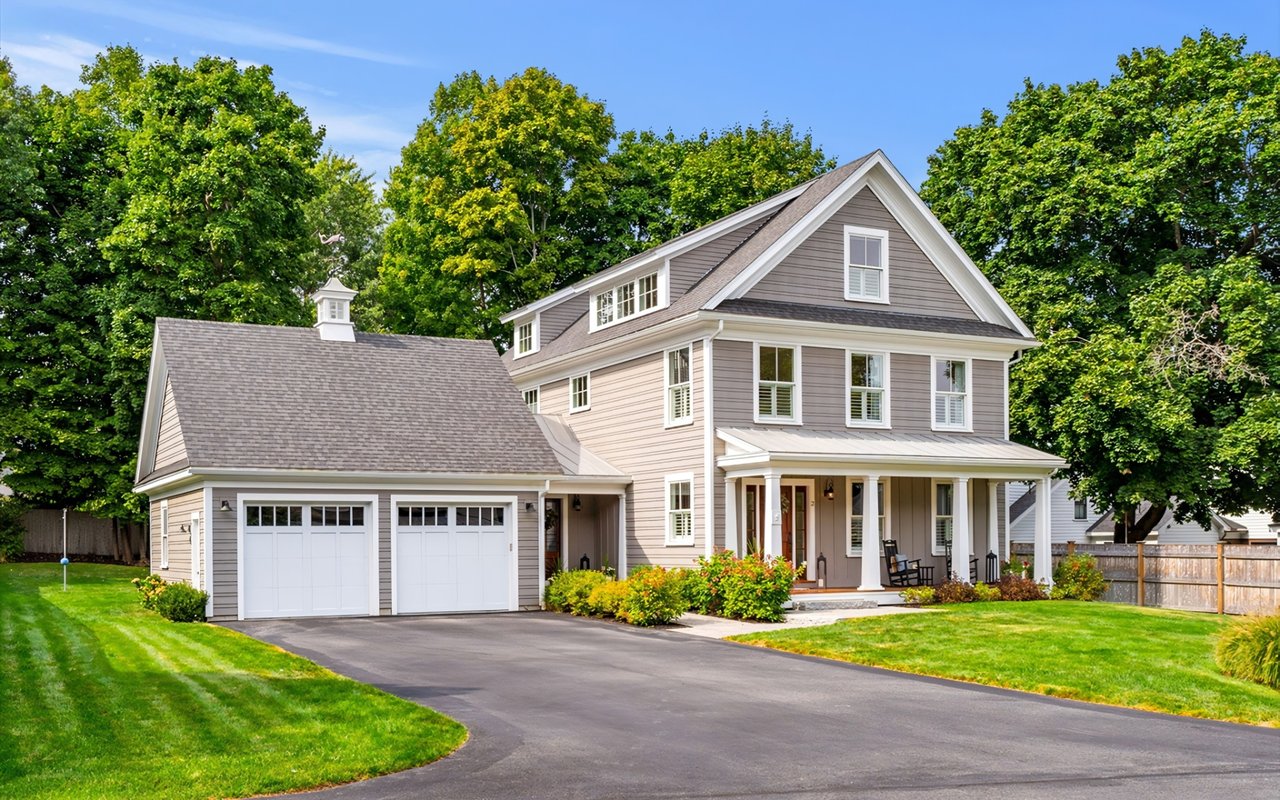
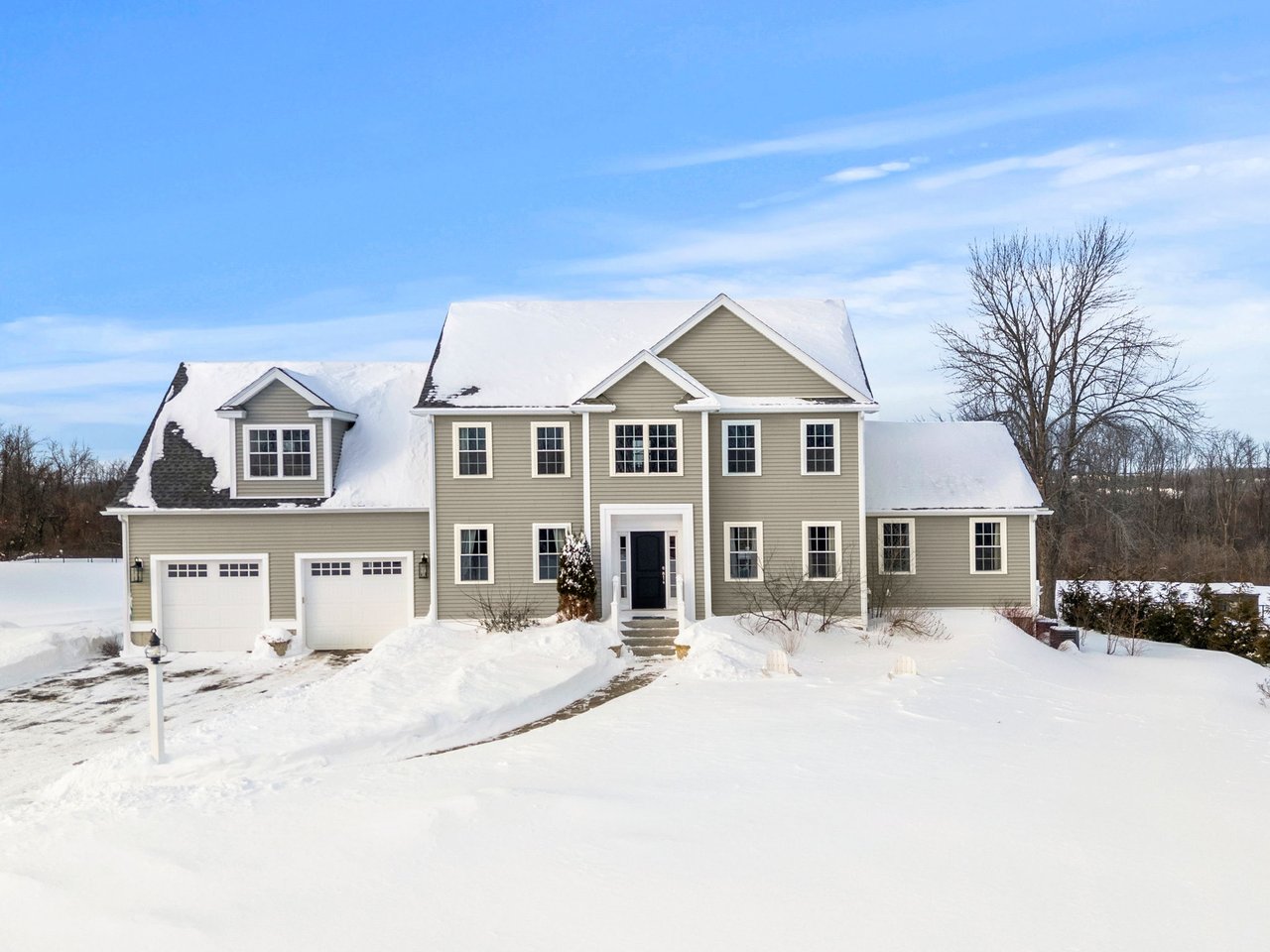
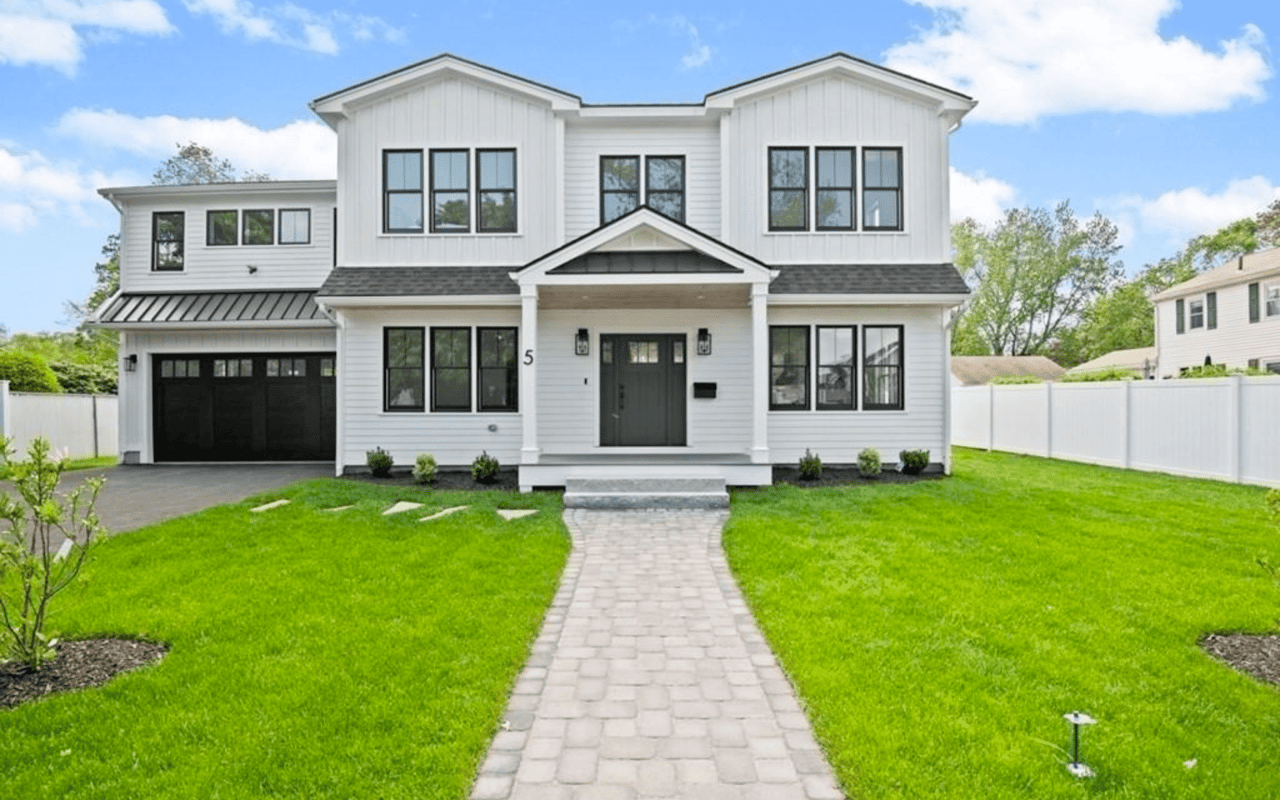
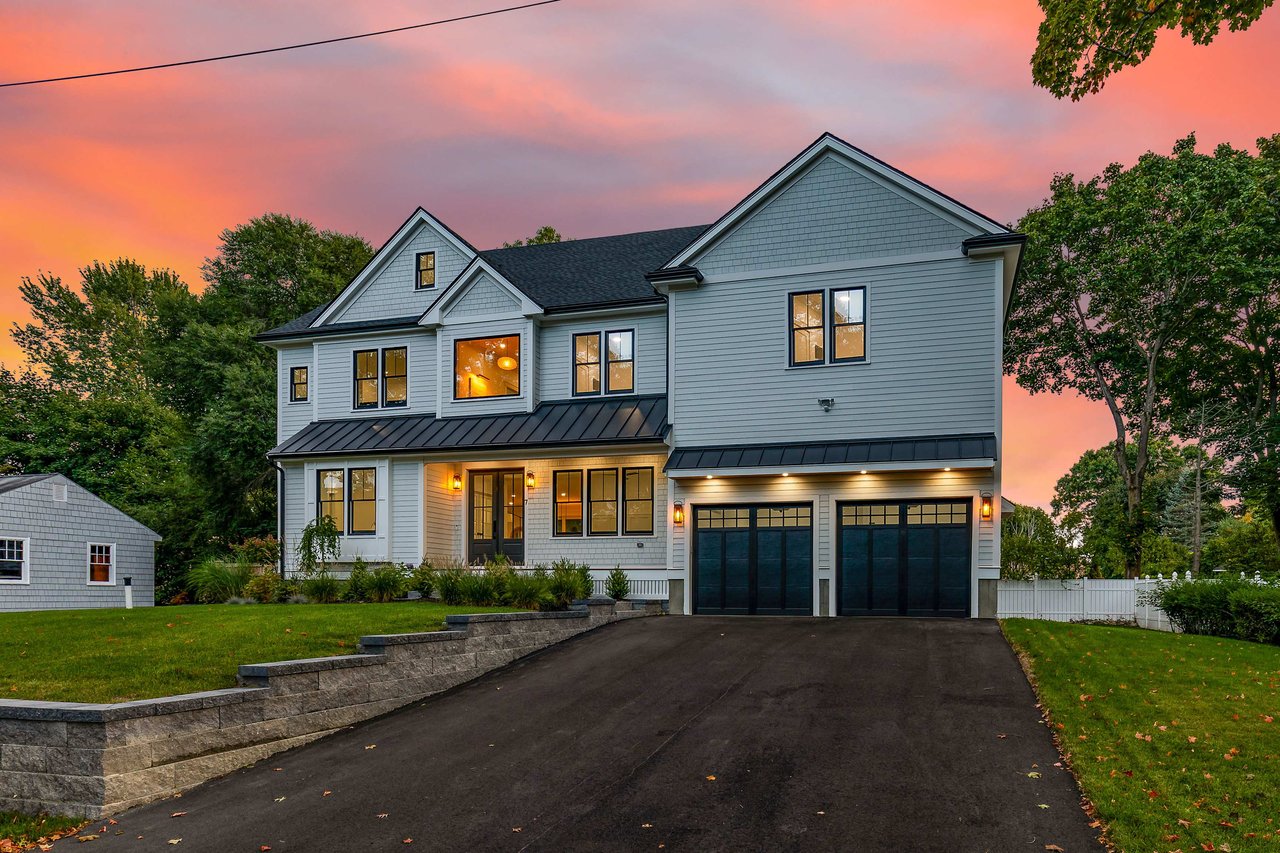
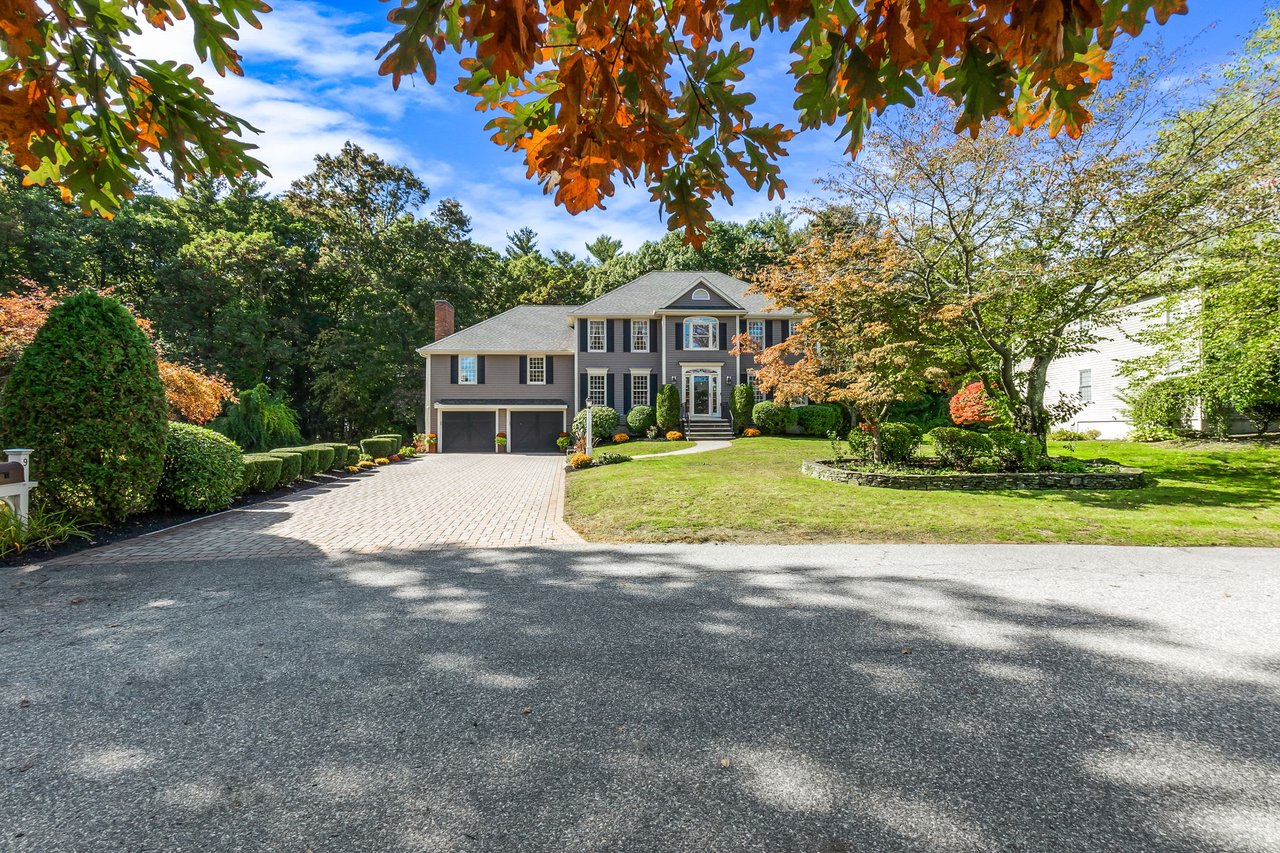
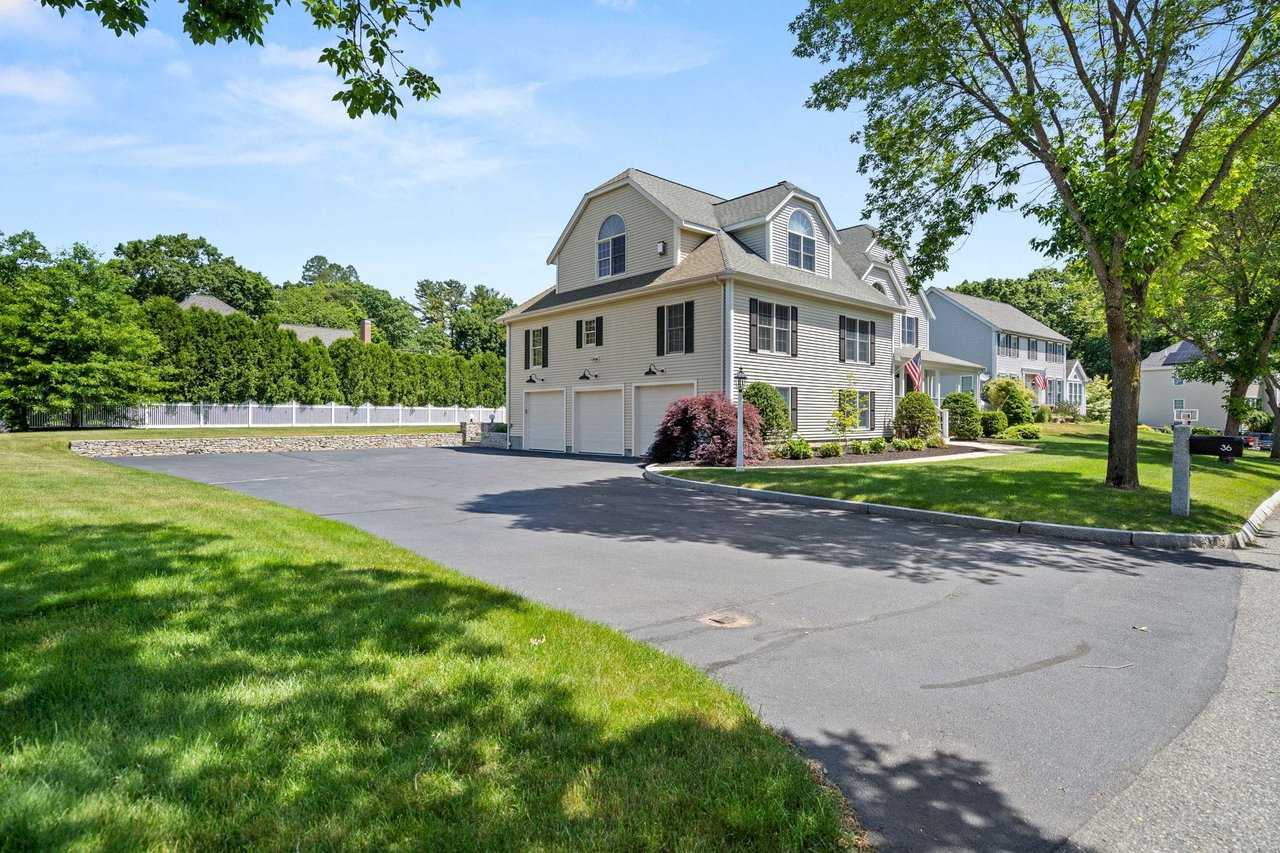
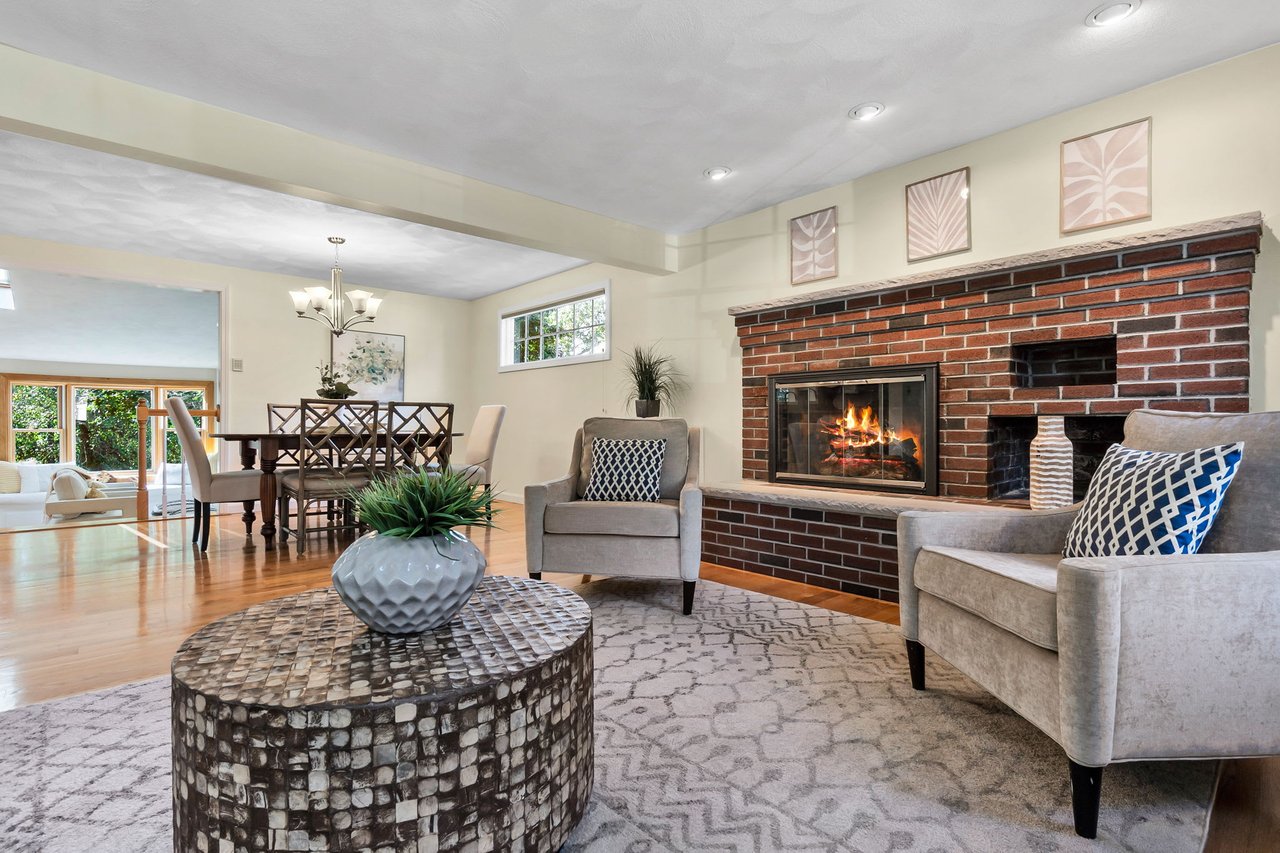
Single-Family Contemporary/Ranch Homes: Later 20th-century development, particularly in the South End and areas farther from downtown, produced ranch-style homes and raised ranches on larger lots. These offer more modern layouts, lower maintenance, attached garages, and better energy efficiency, though they lack historic charm. Prices are generally lower—$600,000-$900,000 range.
Condominiums: Converted mill buildings, subdivided historic homes, and purpose-built developments provide condo options throughout the city. Downtown condos in renovated buildings offer walkability and lower maintenance, appealing to downsizers and young professionals. Waterfront condo complexes along the Merrimack command premiums for marina access and views. Plum Island features seasonal condo communities. HOA fees vary widely ($200-$800+ monthly) depending on amenities and building age.
Townhouses: Limited townhouse developments exist, primarily in outlying areas. These typically feature attached construction, private entrances, and small yards, bridging single-family and condo lifestyles.
Multi-Family Properties: Two- and three-family homes are scattered throughout residential neighborhoods, offering owner-occupancy with rental income. These are particularly popular among investors and homeowners seeking to offset mortgage costs. Triple-deckers and side-by-side duplexes predominate.
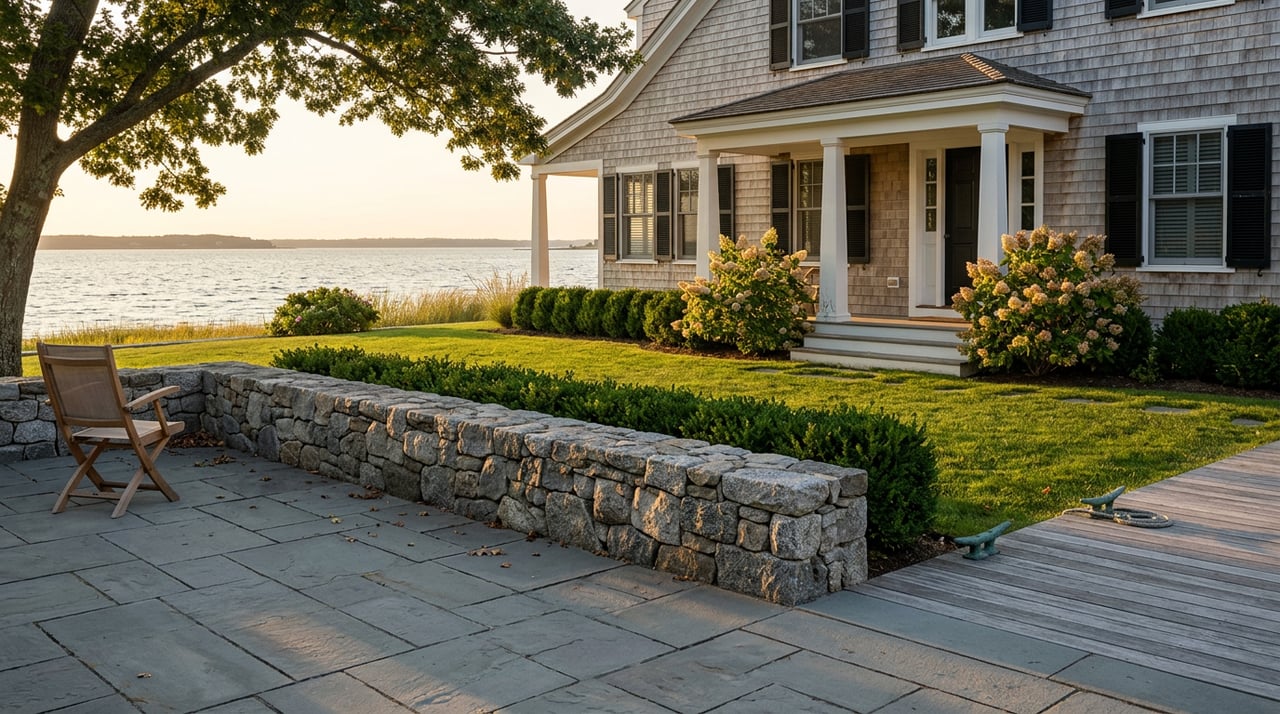
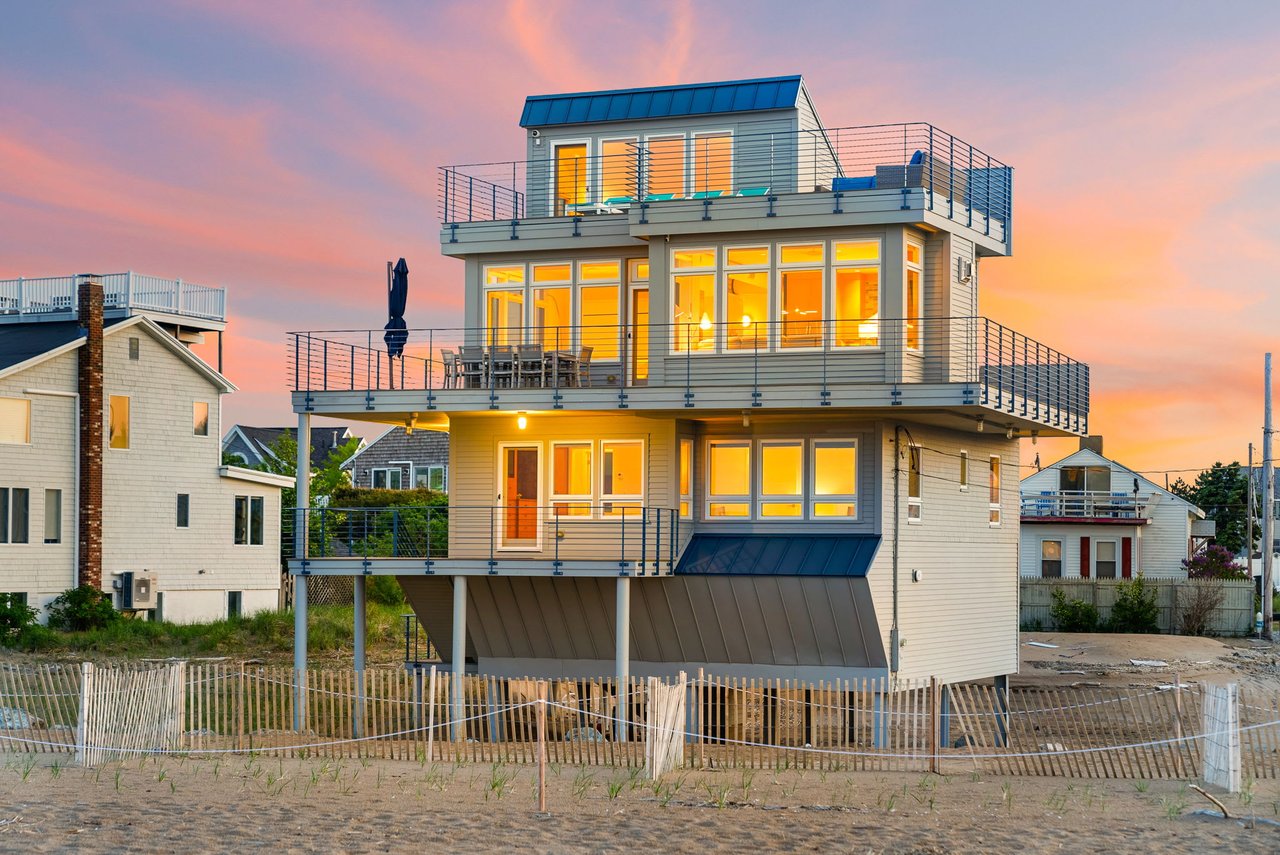
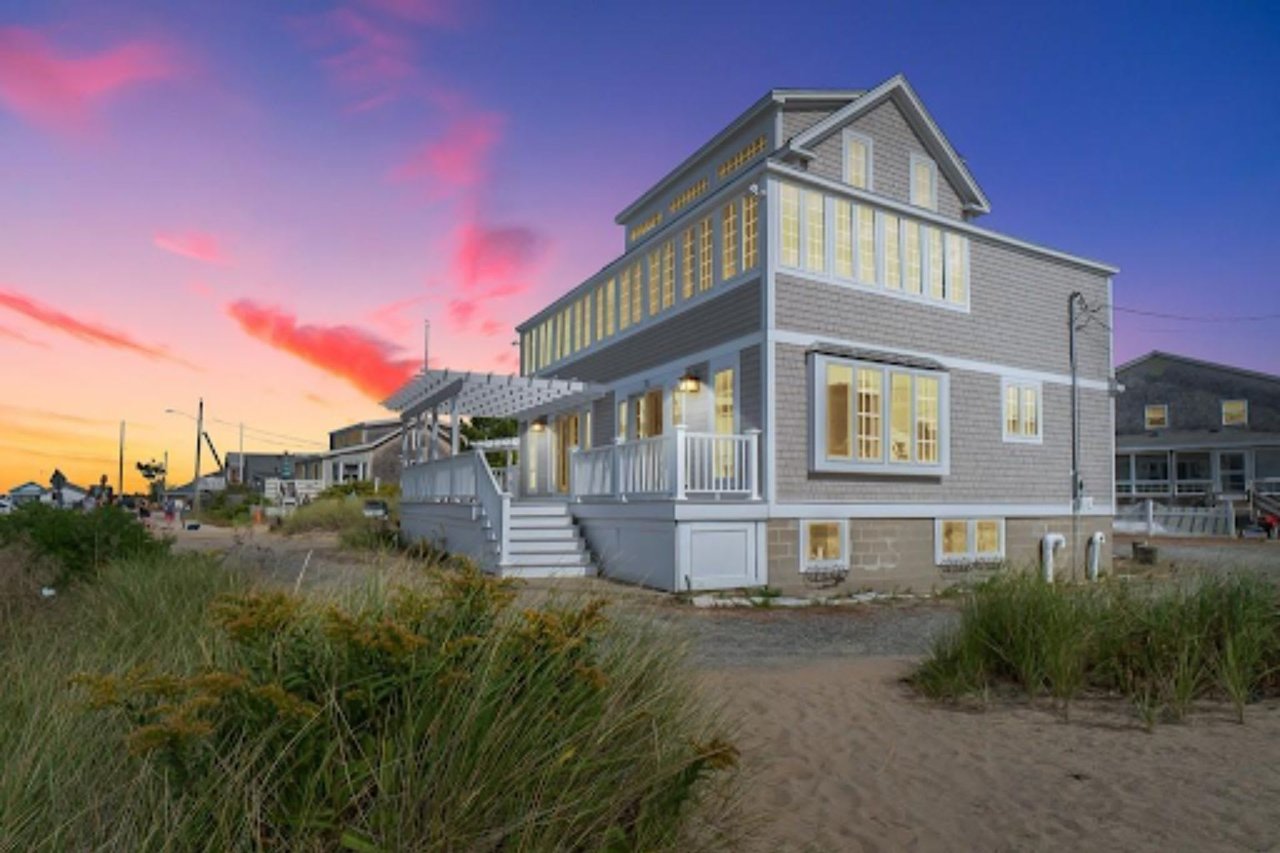
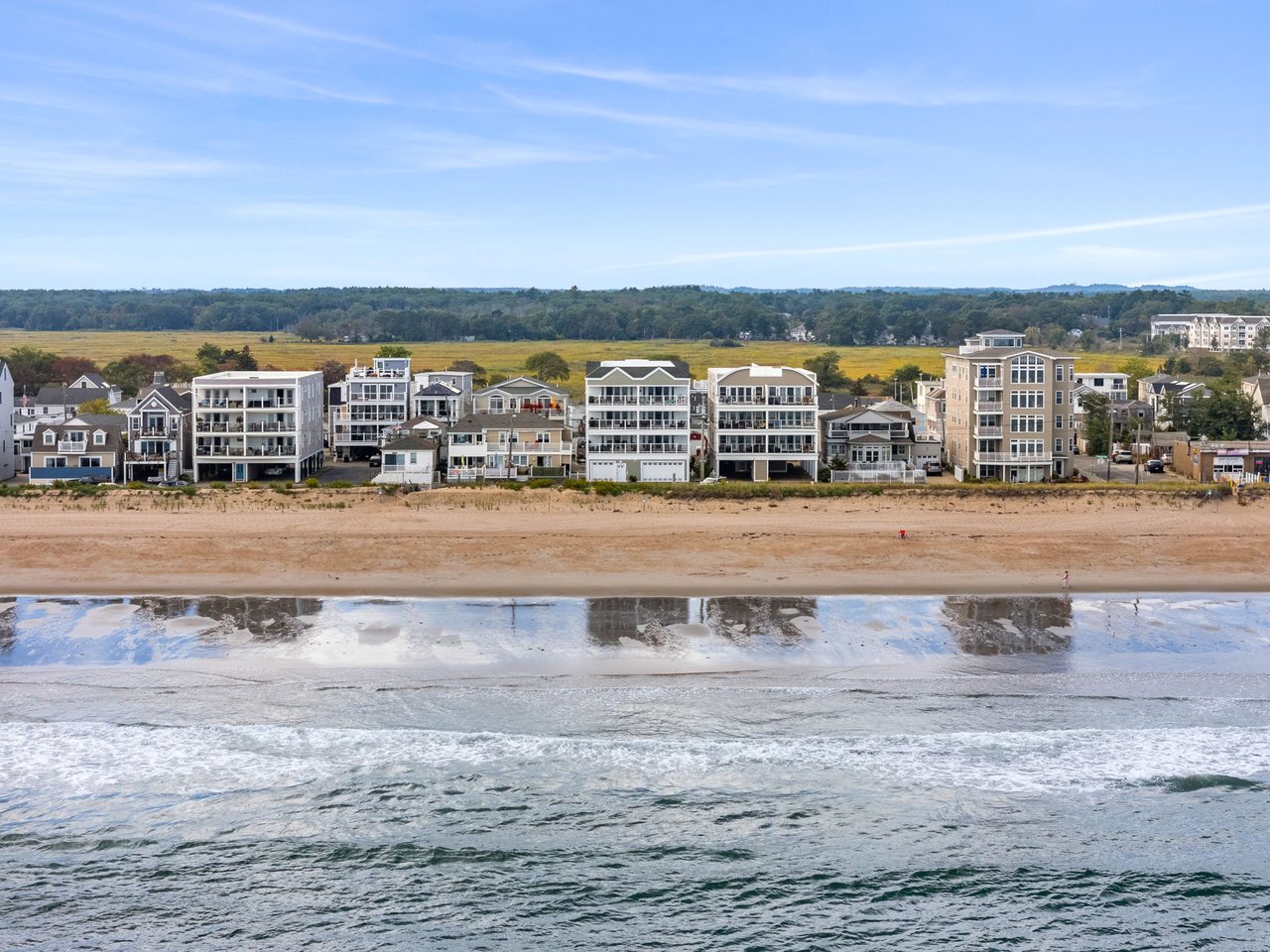
Plum Island Cottages: The island's north end (within Newburyport) features a distinct housing stock—originally summer cottages, many now year-round residences or vacation homes. These range from modest beach bungalows to extensively renovated oceanfront properties. Flood insurance requirements, erosion concerns, and seasonal accessibility affect both pricing and ownership experience.
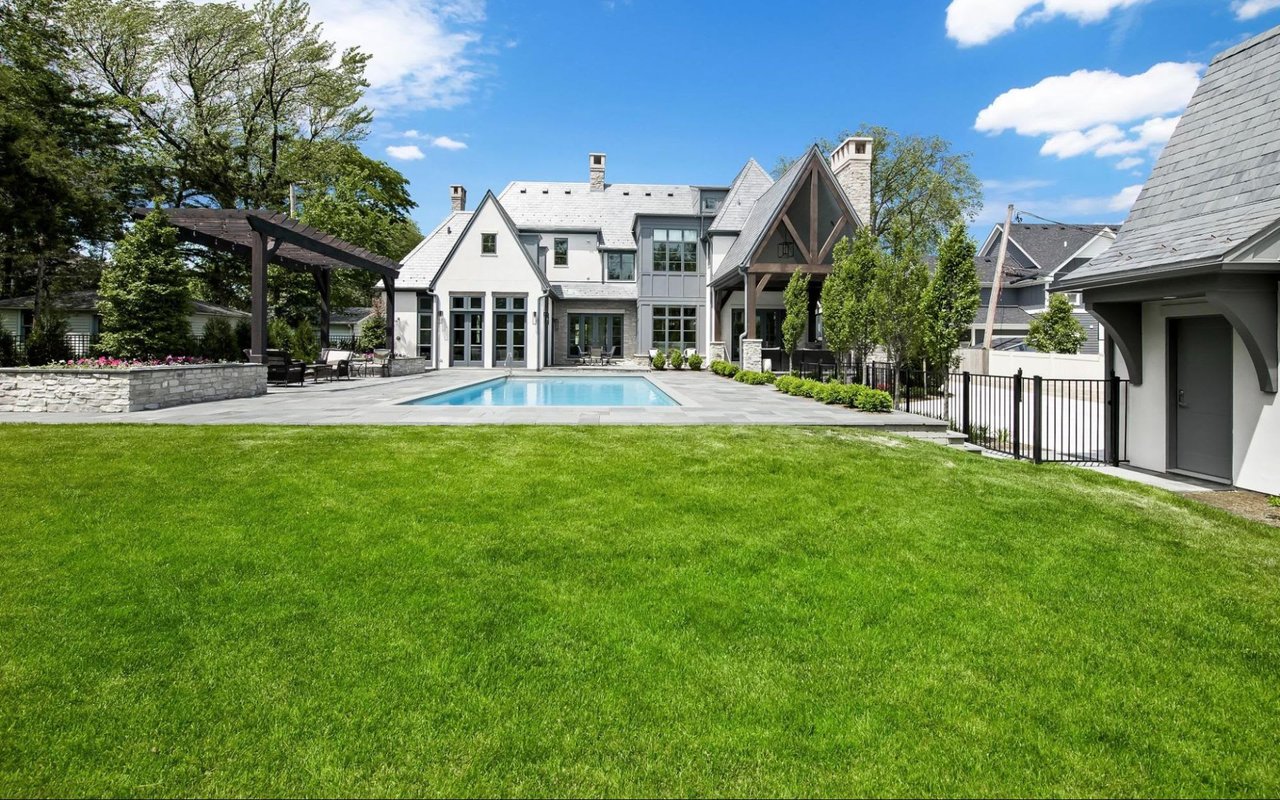
Waterfront Properties: Limited Merrimack River-front homes with private docks represent the market's apex—$2-$4+ million for renovated properties with deepwater access. These appeal to serious boaters and buyers seeking trophy properties.
Factors to Consider When Buying/Selling Properties in Newburyport
Historic District Regulations: Much of Newburyport falls within local or National Register historic districts, requiring Historical Commission approval for exterior modifications. Buyers should understand restrictions on window replacement, siding, roofing materials, additions, and even paint colors. While preserving character, these regulations limit personalization and may increase renovation costs. Sellers should document approved improvements and highlight any flexibility for future changes.
Flood Zones and Insurance: Proximity to the Merrimack River and Atlantic Ocean places many properties in FEMA flood zones, requiring flood insurance. Plum Island properties face particularly high premiums ($2,000-$10,000+ annually) and financing challenges, as many lenders limit exposure to high-risk areas. Coastal erosion and climate change concerns increasingly affect long-term value, especially on the island. Buyers must conduct thorough due diligence; sellers should proactively address flood zone questions with documentation.
Deferred Maintenance in Historic Homes: Many historic properties feature original systems (knob-and-tube wiring, outdated plumbing, minimal insulation, single-pane windows). Thorough inspections are critical. Budget $50,000-$200,000+ for systematic updates while maintaining historic character.
Sellers benefit from pre-listing inspections and addressing obvious deficiencies; buyers should engage inspectors experienced with antique homes.
Parking and Garage Space: Downtown properties often lack off-street parking or garages—a significant consideration in snowy New England winters. On-street parking requires resident permits and fierce competition. Properties with parking command premiums. Plum Island parking is similarly constrained during peak season.
Commuting Reality: While MBTA access exists, Boston commutes are lengthy and the train schedule limits flexibility. Remote/hybrid work models fit Newburyport better than daily commuting. Buyers relocating for work should test commutes during rush hour before committing.
School District Boundaries: Newburyport's well-regarded school system features elementary school assignment by neighborhood. Families should verify their property's school assignment, as this significantly affects desirability. The high school serves all residents.
Seasonal Tourism Impact: Downtown's tourist popularity brings summer vitality but also crowds, parking challenges, and noise. Properties on State Street or near Market Square experience constant foot traffic. Some buyers embrace this energy; others prefer quieter residential streets.
Water and Sewer Assessment: Not all properties connect to municipal water/sewer. Well and septic systems require maintenance, inspection, and eventual replacement costs. Conversely, sewer betterment assessments may apply in areas with recent infrastructure expansion.
Association with Newburyport Schools: Properties in neighboring Newbury within Newburyport school district boundaries command premiums while offering more land and privacy. Verify school assignments carefully.
Local Attractions
- Downtown Waterfront and Boardwalk: The brick-paved downtown waterfront along Water Street features a scenic boardwalk with harbor views, benches, and small parks. Harborside Plaza and Cashman Park host summer concerts, festivals, and farmers markets. The Custom House Maritime Museum occupies a distinctive 1835 granite building, exploring local maritime heritage.
- Market Square: This bustling pedestrian-friendly plaza anchors downtown shopping and dining, featuring a distinctive fountain, outdoor seating, and year-round events including holiday tree lighting and summer concerts.
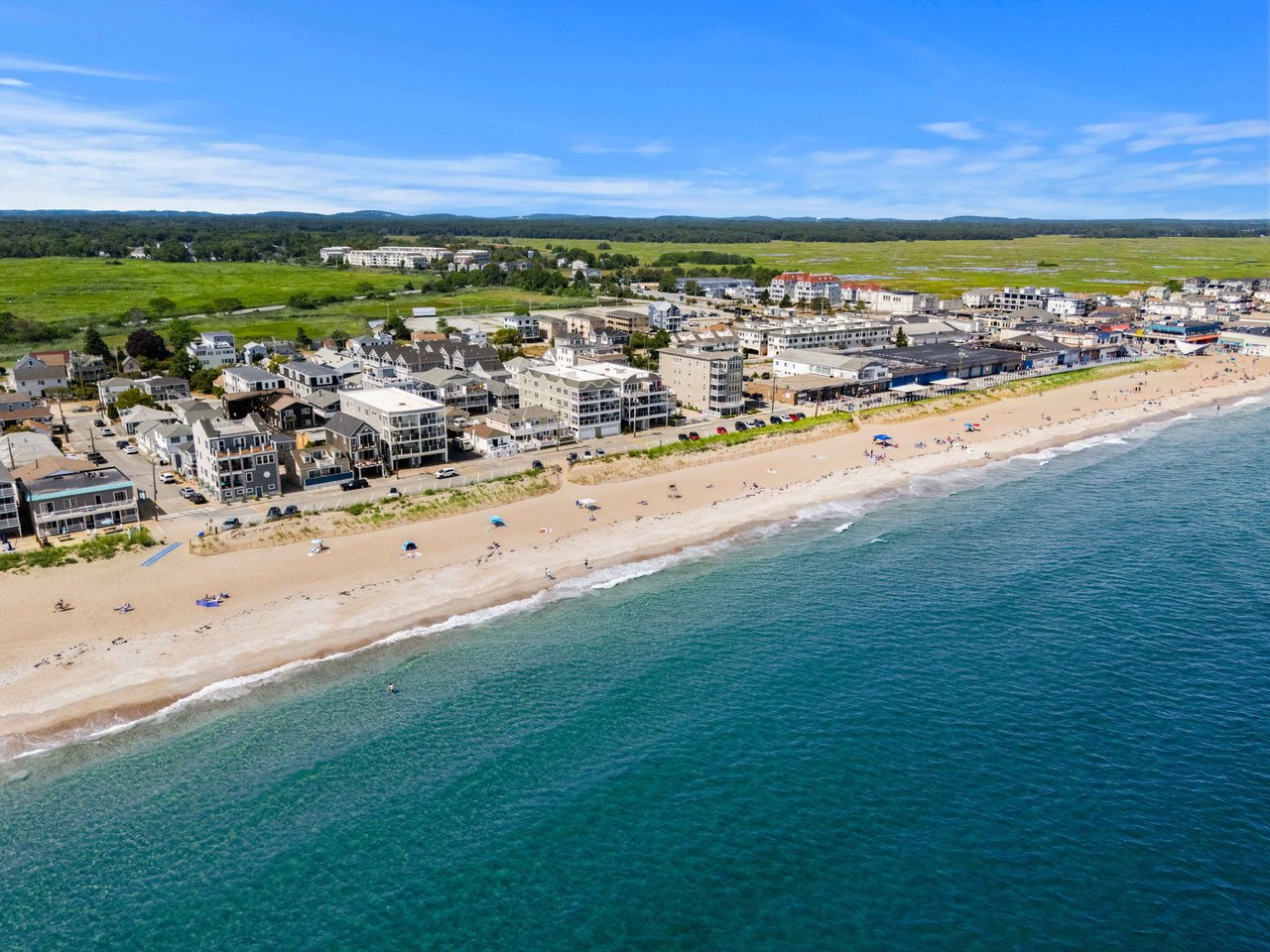
- Plum Island and Parker River National Wildlife Refuge: This 4,662-acre refuge protects diverse coastal habitats—beaches, dunes, salt marsh, and maritime forest. Visitors enjoy 3.8 miles of pristine Atlantic beach, wildlife observation (including piping plovers and migratory birds), hiking, fishing, and stunning sunrises. The refuge limits visitor numbers to protect habitat; arrive early on summer weekends. A separate public beach (Plum Island Beach) at the island's north end offers lifeguards and concessions.
- Maudslay State Park: This 480-acre park in adjacent Newbury features walking trails through former estate gardens, along the Merrimack River, through meadows and forests. Spring azaleas and rhododendrons are spectacular. The park hosts summer concerts and cross-country skiing in winter.
- Newburyport Public Library: An architectural gem and community hub, the library offers extensive programming, a café, and beautiful reading spaces.
- Joppa Flats Education Center (Mass Audubon): Overlooking the Merrimack River estuary, this environmental education center features exhibits, programs, and birdwatching opportunities in one of North America's premier shorebird habitats.
- The Tannery Marketplace: A converted 19th-century leather tannery now housing boutiques, galleries, and restaurants, connected by brick courtyards and walkways.
- Newburyport Art Association: This 1920s-founded organization operates a gallery featuring regional artists, classes, and exhibitions.
- Bartlet Mall: A tree-lined green space in the South End providing ball fields, playgrounds, and open space for recreation.
Dining and Entertainment
Upscale Dining: Fine dining options include Brine (seasonal New England seafood with harbor views), The Poynt (contemporary American overlooking the Merrimack), Michael's Harborside (established waterfront seafood institution), and Tuscan Kitchen (upscale Italian with extensive wine list). These venues balance special-occasion dining with date nights for locals.
Casual Waterfront: The Grog (classic seafood and pub fare), Plum Island Grille (beachside casual dining), and Sea Level Oyster Bar (raw bar and nautical atmosphere) offer relaxed waterfront dining.
Downtown Favorites: Port Tavern (gastropub with craft beer selection), Loretta (creative New American small plates), Carrigan's Public House (Irish pub atmosphere), Black Cow (upscale comfort food and tap selection), and Andiamo (intimate Italian) represent downtown's dining diversity.
Ethnic Options: While not extensive, options include Oregano Pizzeria (Neapolitan pizza), Szechuan Taste (Chinese), Kiva (Mexican), Tinos (Greek), and Siam Thai.
Cafés and Breakfast: Plum Island Coffee Roasters (multiple locations, local roaster), Starbucks, Hungry Hive Crepes, and Nicholson's Fine Food (bakery and breakfast spot) serve morning crowds.
Entertainment: Live music appears at The Grog, Michael's Harborside, and seasonal waterfront concerts. The Firehouse Center for the Arts presents theater, concerts, and comedy in a converted firehouse. Summer brings outdoor concerts to Waterfront Park and Market Square. Nearby venues in Portsmouth, NH and Salem, MA expand entertainment options.
Breweries: Riverwalk Brewing Co. operates a downtown taproom featuring house-brewed beers.
Nightlife: Nightlife remains modest—primarily centered on downtown bars and restaurants rather than clubs. The Grog and Port Tavern draw evening crowds, but Newburyport quiets early compared to urban centers.
Shopping
Downtown State Street and Inn Street: These historic downtown streets house independently owned boutiques, galleries, home goods stores, jewelry shops, and specialty retailers. This is Newburyport's retail heart—walkable, charming, and geared toward quality over chains. Notable shops include Wicked Good Books (independent bookstore), Solid Ground (outdoor gear and clothing), Phoenix Imports (global gifts), and numerous galleries and antique shops.
The Tannery: This renovated industrial complex contains boutiques, a toy store, home décor shops, and restaurants.
Market Square: Adjacent shopping includes gift shops, clothing boutiques, and specialty food stores.
Everyday Shopping: For groceries and daily needs, residents rely on Shaw's (full-service supermarket on Storey Avenue), Whole Foods Market (high-end groceries, prepared foods), and Blue Ocean Music Hall Plaza retail area. CVS, Walgreens, and small convenience stores handle pharmaceutical needs.
Route 1 Commercial District: Just outside downtown, Route 1 hosts chain retailers including Target, Home Goods, Christmas Tree Shops, and various restaurants, providing practical shopping without downtown charm.
Farmers Markets: Summer farmers markets at Waterfront Park and Atkinson Common offer local produce, baked goods, crafts, and prepared foods, operating June through October.
Nearby Options: Seabrook Station outlets (Seabrook, NH) and Kittery outlets (Kittery, ME) lie within 20 minutes. Mall of New Hampshire (Manchester, NH) and Liberty Tree Mall (Danvers, MA) provide comprehensive mall shopping within 30-40 minutes.
The retail landscape favors browsers seeking unique items over one-stop convenience shoppers, though practical needs are covered locally.
Parks and Recreation
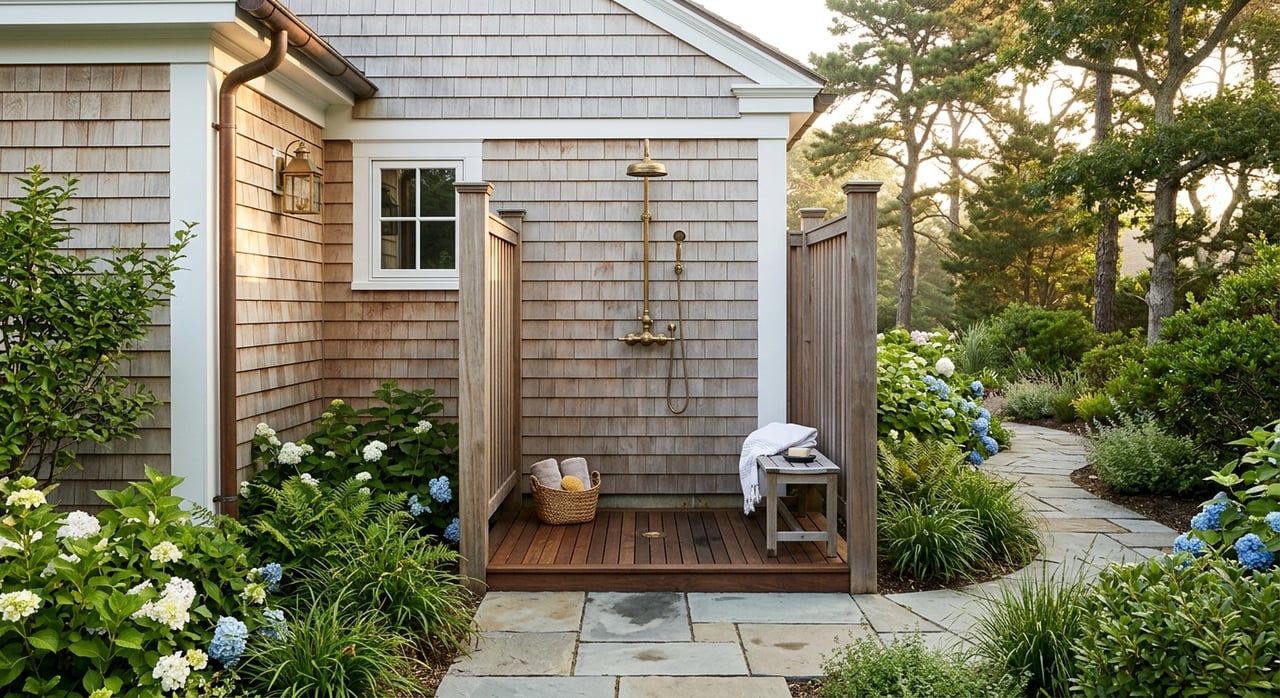
- Plum Island Beach: Newburyport's crown jewel—3.8 miles of protected barrier island beach within Parker River National Wildlife Refuge, plus the public Plum Island Beach at the north end. Activities include swimming, sunbathing, surfing, fishing, beachcombing, and birdwatching. Infrastructure is minimal (parking lots, restrooms, outdoor showers), preserving natural character.
- Waterfront Parks: Small downtown parks including Cashman Park and Ring's Island Park offer harbor views, benches, walking paths, and event space. The Newburyport Harborwalk provides scenic walking along the waterfront.
- Maudslay State Park: While technically in Newbury, this 480-acre park serves Newburyport residents with extensive trails, gardens, river access, and programming.
- Atkinson Common: A community green space in the South End with playground equipment, open lawn, and summer farmers market.
- March's Hill/Perkins Playground: Neighborhood playground and open space.
- Cashman Park: Downtown waterfront park hosting summer concert series, festivals, and farmers markets with amphitheater seating and harbor views.
- Bartlet Mall: Large recreational area featuring baseball/softball fields, soccer fields, basketball courts, playgrounds, and open space. This is the primary location for youth sports.
- Clipper City Rail Trail: A developing multi-use path eventually connecting Newburyport with neighboring communities, currently offering several miles of paved path for walking, running, and cycling.
- Boating and Water Activities: Multiple marinas offer transient and seasonal slips. Public boat launch access exists on the Merrimack. Kayaking and stand-up paddleboarding are popular in the river and Plum Island marshes. Harbor cruises and whale watching expeditions operate seasonally.
- Golf: Nearby courses include Ould Newbury Golf Course (Newbury) and several others within 15 minutes.
- Indoor Recreation: The Newburyport YWCA provides fitness facilities, pool, and programming. Private gyms include Planet Fitness and boutique studios.
- Winter Activities: Cross-country skiing at Maudslay, skating on the waterfront (seasonal outdoor rink), and indoor activities dominate winter recreation.
The recreation profile strongly emphasizes coastal and waterfront activities—this is a community where beach access, boating, and maritime recreation define the lifestyle.
Most Coveted Streets & Estates
High Street: The city's most prestigious address, High Street features magnificent Federal and Georgian mansions built by sea captains and merchants. Properties here represent architectural peak—grand scale, period details, established gardens, and commanding presence. Ownership conveys historical cachet and typically requires significant resources for maintenance. When properties become available (infrequently), they command $1.5-$4+ million.
State Street (Upper/Western End): While the commercial downtown occupies State Street's eastern end, the western stretch toward Newbury features gracious historic homes on substantial lots. These offer proximity to downtown while maintaining residential tranquility. The Newburyport/Newbury border properties are particularly desirable, combining architectural quality with more land.
Green Street: Running parallel to High Street, Green Street features beautifully preserved historic homes slightly less grand than High Street's mansions but equally desirable. The street's tree-canopy and architectural cohesion create a quintessential New England streetscape.
Federal Street: Well-preserved Federal-era homes, walkable to downtown, with strong architectural integrity. This neighborhood balances historic character with practical access to amenities.
Plum Island Oceanfront: The Atlantic-facing properties on Plum Island's northern end (within Newburyport) represent the market's most dramatic settings—oceanfront lots with direct beach access and sunrise views. Flood insurance, storm exposure, and erosion concerns require careful consideration, but the lifestyle is unmatched for beach enthusiasts. Prices range from $1-$3+ million depending on condition and elevation.
Merrimack River Waterfront (Ring's Island/Water Street): Direct river frontage with deep water and dock rights commands extreme premiums. These rare properties appeal to serious boaters and buyers seeking private water access. Expect $2-$4+ million for well-appointed homes.
Joppa District: The historic working waterfront neighborhood east of downtown offers authentic maritime character, harbor views, and proximity to downtown. Properties here are more modest than High Street but increasingly desirable among buyers seeking genuine neighborhood character over formal grandeur.
The South End (Harris Street, Madison Street area): This family-friendly neighborhood features more modest historic homes, greater ethnic and socioeconomic diversity, proximity to Bartlet Mall recreation, and relative affordability (for Newburyport). It appeals to young families and buyers prizing neighborhood community over architectural distinction.
Farm Lane and Moulton's Lane Area: These neighborhoods near Maudslay State Park offer larger lots, more privacy, and newer construction (relative to downtown), appealing to buyers seeking space and modern amenities while remaining in the school district.
Who is Newburyport For?
Newburyport suits
buyers seeking New England coastal living with sophisticated amenities, architectural beauty, and community engagement. It's ideal for:
- Remote/Hybrid Workers: The city's quality of life, cultural offerings, and moderate distance from Boston perfectly align with flexible work arrangements. Full-time daily commuting is challenging; occasional trips are manageable.
- Affluent Empty Nesters and Retirees: Downtown walkability, cultural programming, dining scene, and manageable scale appeal to downsizers leaving larger suburban properties. Historic condos or smaller single-family homes allow lock-and-leave lifestyles while maintaining engagement.
- Families Prioritizing Education and Community: Strong public schools, safe neighborhoods, and small-town atmosphere attract families willing to pay premiums for these qualities. Youth sports, community events, and beach access create enriching childhoods.
- History and Architecture Enthusiasts: Few communities offer Newburyport's concentration of preserved 18th and 19th-century architecture. Buyers passionate about historic preservation and willing to undertake proper stewardship find unmatched opportunities.
- Coastal Lifestyle Devotees: Beach access, boating, maritime culture, and seafood define daily life. This suits people for whom ocean proximity and water activities are non-negotiable.
- Urban Refugees Seeking Small-City Charm: Former city dwellers who've outgrown urban intensity but want walkability, restaurants, culture, and community find Newburyport's scale ideal—sophisticated without being overwhelming.
- Artists and Creative Professionals: The arts community, gallery scene, and creative atmosphere attract painters, writers, craftspeople, and other creatives who balance artistic pursuits with comfortable living.
Newburyport rewards buyers who embrace its particular character—historic, maritime, community-oriented, and proudly preserved. It's a place where stewardship matters, neighbors engage, and the past informs the present. The city attracts people who've chosen quality of place over convenience or affordability, building lives around coastal beauty, architectural heritage, and human-scale urbanism.